


Anatomy of an Unlikely Vibe
First, let’s be clear about what we’re talking about. The “Coastal Grandmother” isn’t necessarily a grandmother and might not even live near a coast. Coined by TikTok creator Lex Nicoleta in 2022, the term perfectly captured a specific aspirational lifestyle.
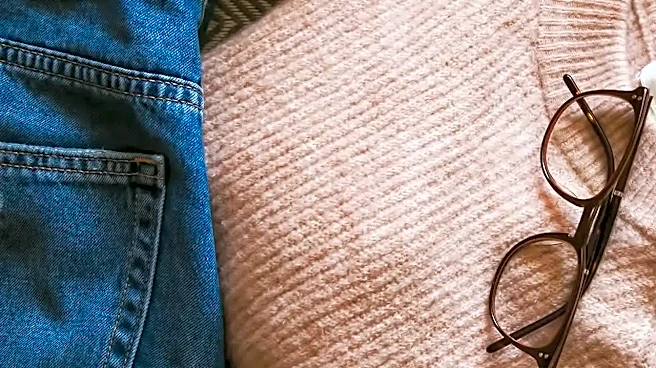
Think of Diane Keaton in a Nancy Meyers movie: a woman who owns a great straw hat, enjoys a glass of crisp white wine, and wears a chunky knit sweater even when it’s not quite cold. The wardrobe is built on a foundation of timeless, comfortable, high-quality pieces in a soothing neutral palette—white button-downs, cashmere knits, and wide-leg linen trousers. It’s less a trend and more a feeling; one of understated elegance, simple luxury, and the quiet confidence of a person who has a beautiful garden and actually uses their expensive cookbooks.
The Maximalist Counter-Offensive
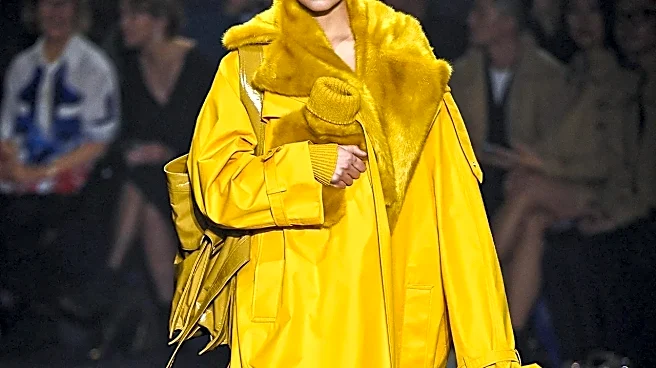
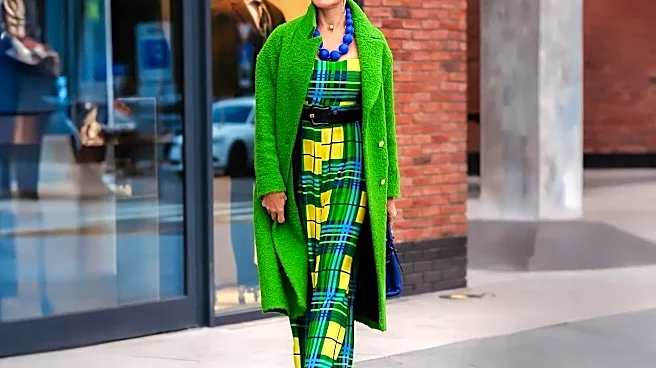
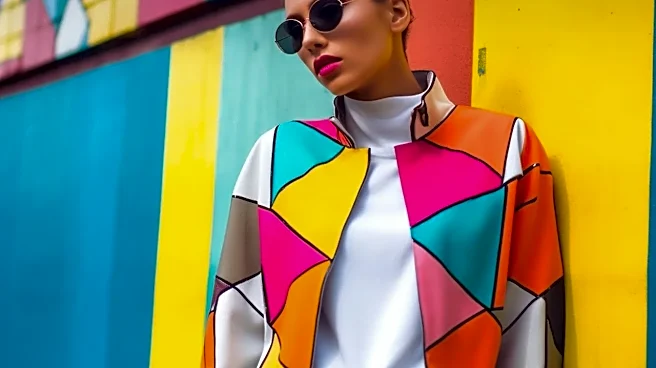
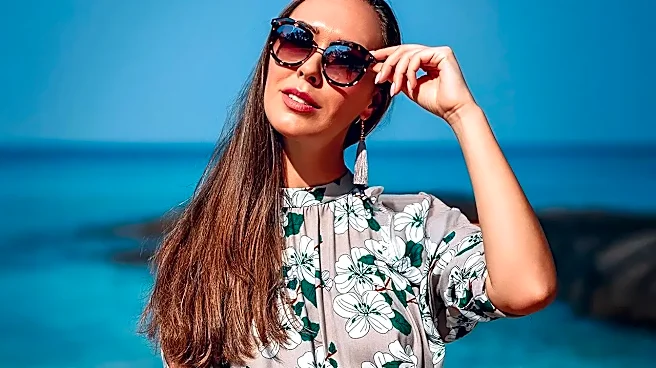
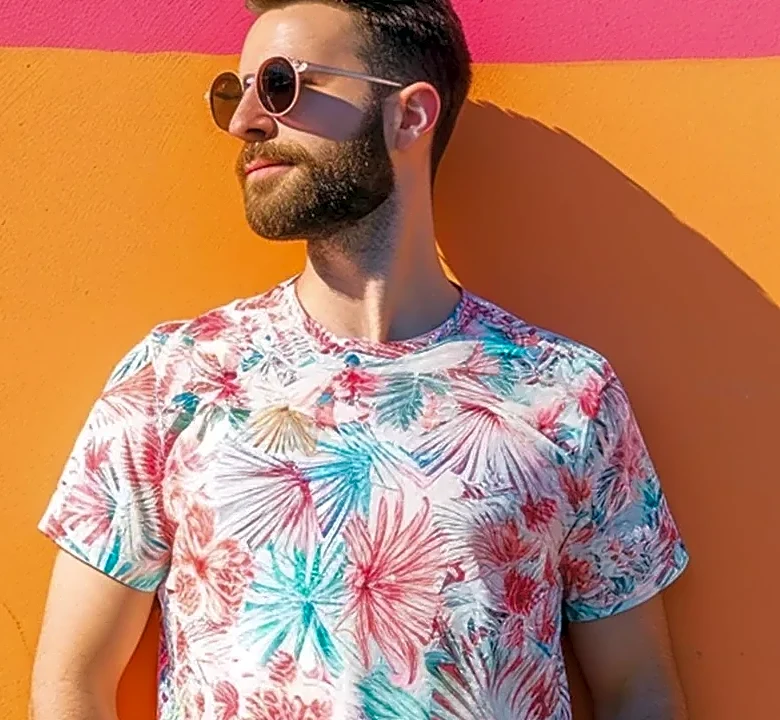
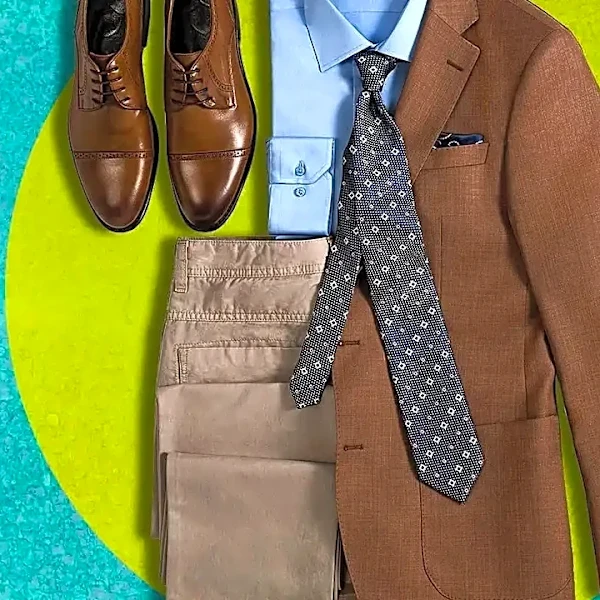
While the Coastal Grandmother was quietly taking shape, other, far more attention-grabbing trends were vying for dominance. The early 2020s were also the era of the Y2K revival and “dopamine dressing.” Where Coastal Grandmother whispered, these trends screamed. Y2K fashion brought back low-rise jeans, metallic fabrics, and a playful, often chaotic energy that felt like a direct rebellion against the polished minimalism of the 2010s. At the same time, dopamine dressing encouraged a post-lockdown explosion of color as therapy. People were emerging from a period of intense stress and uncertainty, and many responded by embracing tangerine blazers, neon-green everything, and a general “more is more” philosophy. In this fashion landscape, a muted beige sweater and sensible loafers could have easily been drowned out.
A Culture Craving Comfort
So why did the quiet aesthetic win? The answer lies in the same cultural moment that produced its louder rivals: the COVID-19 pandemic. As the world shut down, fashion underwent a seismic shift. With millions working from home, the demand for formalwear plummeted, and the desire for comfort skyrocketed. Sales of sweatpants and loungewear soared. This created a new baseline for our wardrobes, prioritizing tactile, easy-to-wear fabrics and relaxed silhouettes. The Coastal Grandmother aesthetic was perfectly positioned for this new reality. It offered a way to feel put-together without sacrificing the comfort we had all grown accustomed to. It was a step up from pajamas and sweatpants, but still felt deeply soothing and practical. It rejected the fleeting, high-speed trend cycle in favor of something timeless and dependable, which felt like an emotional anchor in uncertain times.
The Road Not Taken
Imagine an alternate timeline where the louder trends won. The definitive style of the early 2020s might have been a frenetic mix of futuristic Y2K metallics and hyper-bright dopamine colors. Instead of aspiring to a calm, beach-house existence, we might have fully embraced a kind of celebratory, party-centric style as the dominant cultural mood. Perhaps the Coastal Grandmother would have been forced to adapt, becoming a hybrid “Coastal Granddaughter” who pairs her linen pants with a neon baby tee. But the cultural yearning for calm, stability, and authenticity proved stronger. The desire for a “soft life,” built on simple, tangible pleasures like gardening and reading, resonated more deeply than the sugar rush of micro-trends. Coastal Grandmother offered not just an outfit, but a philosophy—one that felt more like a sustainable lifestyle than a passing fad.