



The Original Blueprint: Audio and RSS
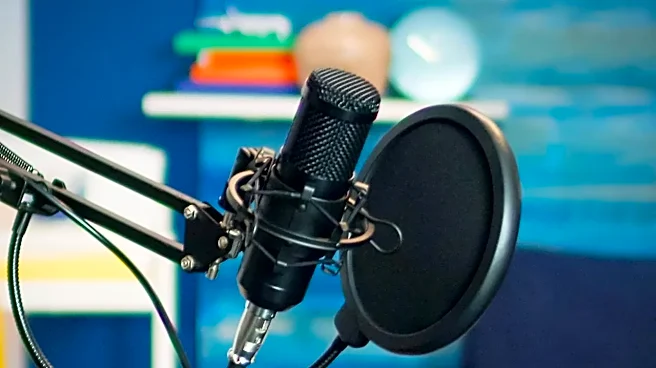
The term 'podcast' itself, a mashup of 'iPod' and 'broadcast', points to its origins as a portable, audio-first medium. Initially, the technical definition was tied to an RSS feed—a bit of code that allowed your favorite podcast app to automatically grab
new audio episodes. It was radio on demand, a format built for listening while driving, jogging, or doing chores. The beauty was in its simplicity and its passive nature; you could consume it without having your eyes glued to a screen. For years, this audio-only, RSS-driven model was the undisputed standard, with platforms like Apple Podcasts serving as the primary directories.
The Accidental Takeover by Video
YouTube didn't set out to conquer podcasting. It was a gradual, creator-led invasion. Podcasters, seeking to expand their audience, began recording their audio sessions and uploading the video to YouTube. What started as a static image with an audio track soon evolved into full-fledged video productions. Viewers flocked to it, and YouTube's powerful algorithm did the rest, recommending these 'video podcasts' to millions. By 2025, a billion people were reportedly watching podcasts on YouTube every month. Seeing the trend, the platform leaned in, rolling out dedicated podcast features and officially positioning itself as a primary destination for podcast consumption.
The Audience Expectation Has Shifted
Today, a significant portion of the audience, especially younger listeners, expects a video component. Recent studies show that an overwhelming majority of new podcast consumers actively watch video versions of the shows they follow. For many, YouTube isn't just a discovery tool; it's their main podcast player. In fact, around 70% of all podcast consumers use YouTube to engage with podcasts. This has changed listening habits from a purely passive activity to a more active one. Viewers can see hosts' reactions, watch visual gags, and feel more connected. The discovery process has also been transformed; discovering a podcast clip on YouTube can lead a new fan to the audio-only version, acting as a powerful gateway.
The Creator's Dilemma
This shift has created a significant fork in the road for creators. Do you remain audio-only and risk being less discoverable, or do you invest in video production? Going video-first on YouTube can lead to faster growth and opens up YouTube-specific monetization like AdSense, channel memberships, and Super Chats, where creators often get a 55% revenue share. But it also means more work, higher costs for cameras and lighting, and the pressure to be 'camera-ready.' The line between being a 'podcaster' and a 'YouTuber' has all but vanished. For many, success in 2026 requires being both.
The Platform Wars Heat Up
YouTube's dominance has forced traditional audio-first platforms like Spotify and Apple Podcasts to react. Spotify invested heavily in video capabilities starting around 2022, and Apple followed suit, recognizing that video was no longer a niche but a core feature. However, competing with YouTube is an uphill battle. YouTube is a video-native platform with a mature infrastructure, a massive built-in audience, and a discovery algorithm second to none. While Spotify remains a giant in audio and has a more established system for passive listening, YouTube's gravitational pull has forced the entire industry to redefine a podcast not just as something you hear, but as something you can also watch.