




The New Fan Uniform
In stadiums and on city streets, a subtle shift is underway. While team jerseys remain a staple of sports fandom, a different kind of tribute is gaining ground. Fans are increasingly choosing to emulate their heroes not by wearing their number, but by adopting
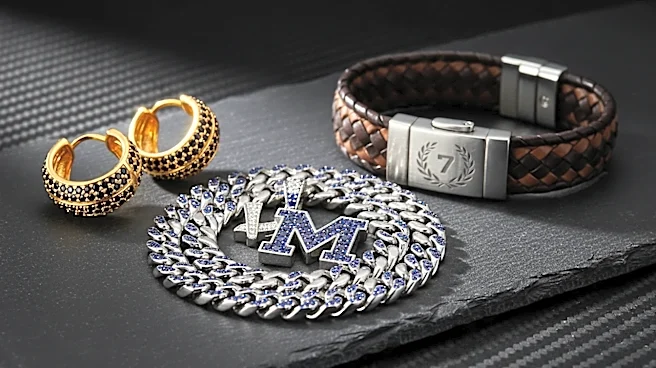
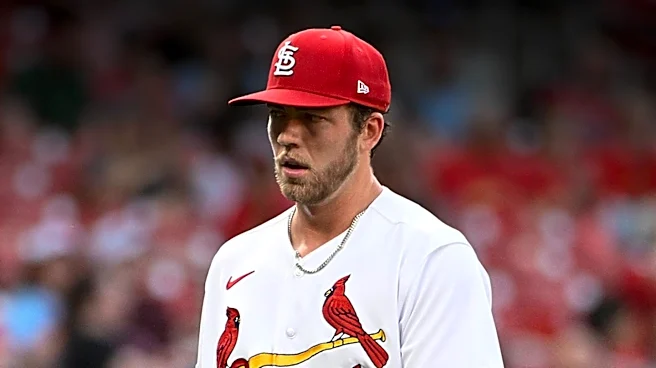
their accessories. From a distinctive pearl necklace to a custom diamond pendant, jewelry has become the new entry point for fan expression. This trend is less about team allegiance and more about a personal connection to the athlete. A jersey represents the team, but a piece of jewelry represents the individual—their style, their story, and their identity off the field. This turn towards accessories signals a deeper change in modern sports culture, where fans are drawn to the person as much as the player.
Why Jewelry, and Why Now?
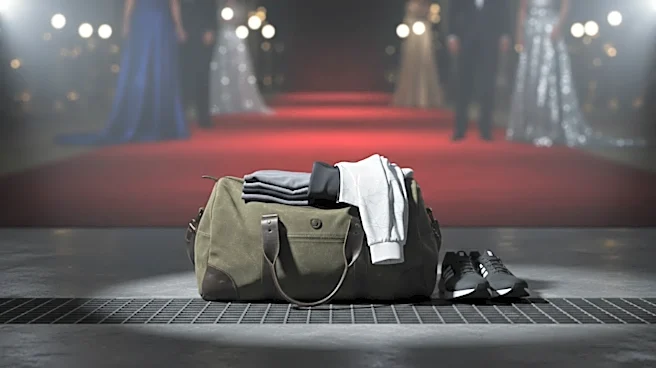
The appeal is multifaceted. First, there's accessibility. A necklace or bracelet can be worn daily, seamlessly integrating into personal style in a way a polyester jersey cannot. Second, it feels more authentic. An athlete's jewelry is often a personal choice, a piece of their off-duty identity that offers fans a glimpse into their life beyond the game. This trend has been supercharged by social media and high-definition broadcasts, which provide an unprecedented close-up look at these details. Pre-game "tunnel walks," once a simple arrival, have transformed into fashion runways where every accessory is scrutinized and shared online, turning athletes into powerful style influencers. It's a way for fans to feel a more intimate connection, adopting a piece of their hero's personal brand rather than just their professional one.
The Diamond-Studded Trendsetters
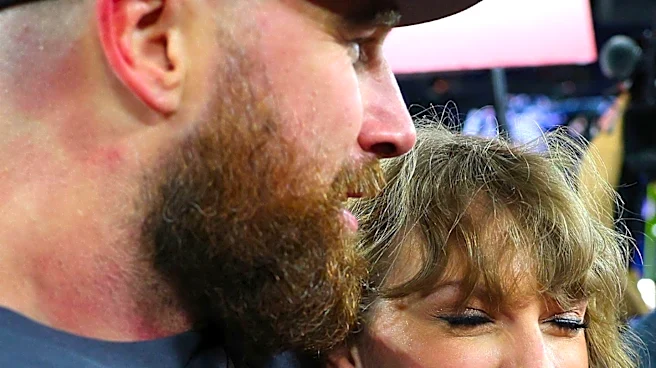
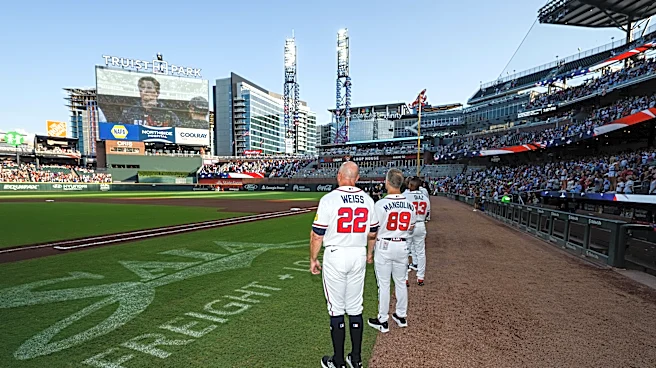
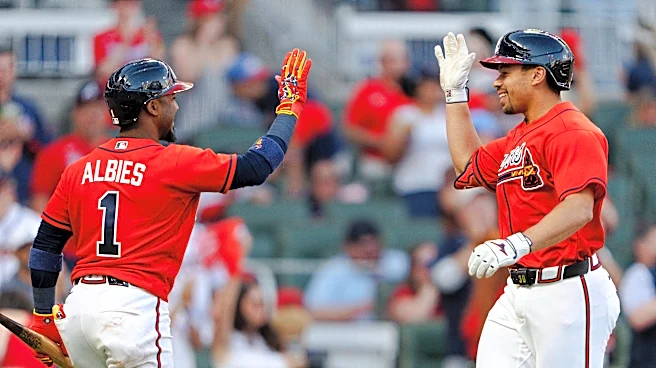
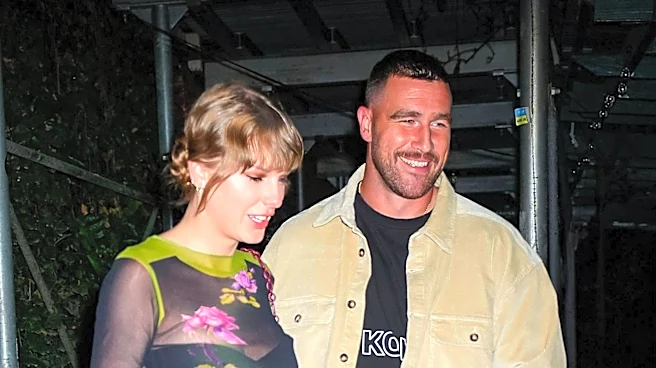
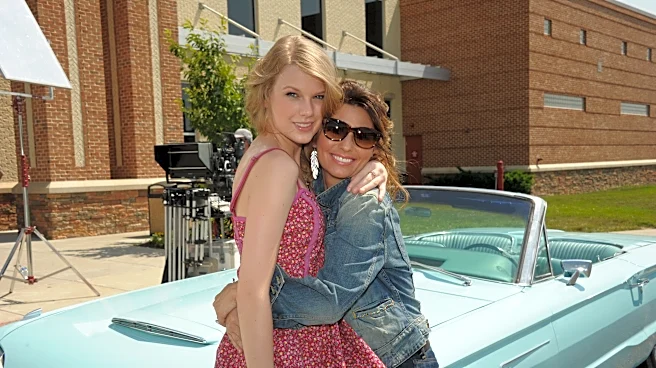
This movement is driven by athletes with signature styles. During the Atlanta Braves' 2021 World Series run, outfielder Joc Pederson’s simple pearl necklace became a cultural phenomenon. Fans, both male and female, began wearing pearls to games, turning a piece of high fashion into a good luck charm and a symbol of team unity. The fad got so intense that when Pederson’s necklace broke mid-series, his jeweler was flown to Atlanta to deliver a replacement. More recently, Travis Kelce’s relationship with Taylor Swift turned friendship bracelets into a mainstream accessory for football fans. What started as a concert tradition became a part of Kelce's public persona, with fans and even Swift herself sporting bracelets with his number, 87, solidifying the link between personal stories and fan apparel.
The Business of Bling
Where culture leads, commerce follows. This trend hasn't gone unnoticed by brands, from high-end jewelers to fast-fashion retailers. Luxury houses like Tiffany & Co. and Cartier are increasingly partnering with athletes, who are no longer just endorsers but creative collaborators. Athletes are co-designing collections that tell a personal story, creating pieces that resonate with fans on an emotional level. At the same time, more affordable replicas and inspired-by pieces have flooded the market, allowing a wider audience to participate in the trend. This creates a powerful cycle: an athlete wears a unique piece, social media amplifies it, fans create a demand, and brands rush to supply it, further cementing the athlete's status as a style icon.