



What Is Proportional Play?
Forget logos, fleeting fads, and color-of-the-season declarations. The current mood in London fashion is far more architectural. A focus on proportion is, at its core, a focus on silhouette. It’s a design-led movement that asks questions about the very
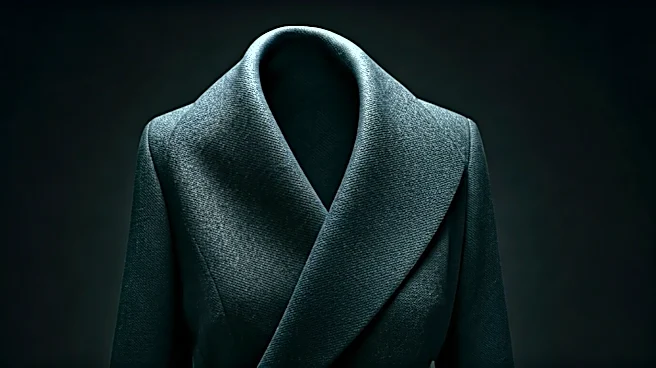
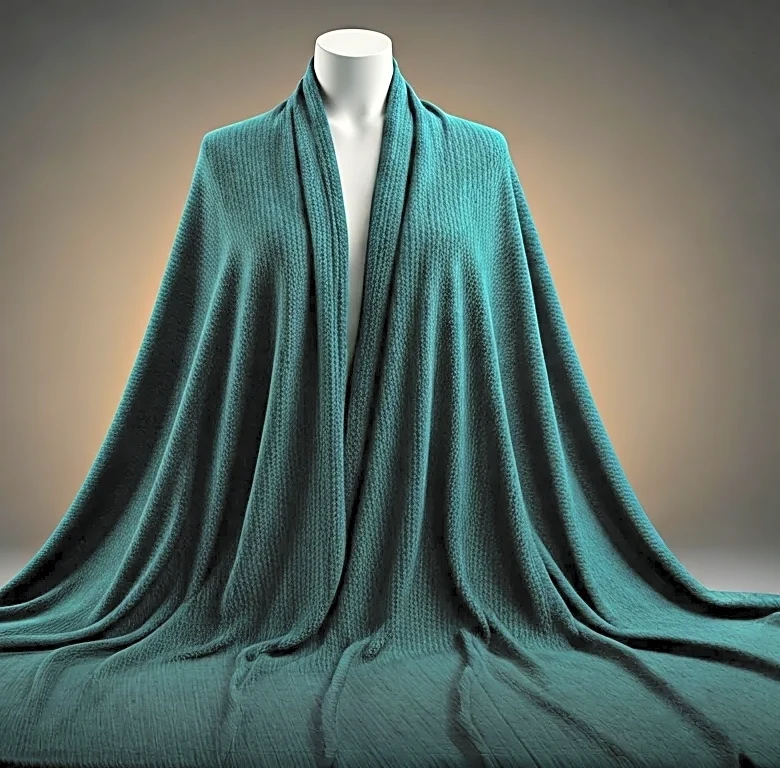
shape of clothing and how it interacts with the body. Think of it as the difference between a plain t-shirt and one with a slightly dropped shoulder, a longer sleeve, or a boxier torso. One is a default; the other is a decision. This “quiet obsession” manifests in several ways: exaggerated shoulders that create a powerful, top-heavy frame; dropped waistlines that elongate the torso in a nod to 1920s liberation; and voluminous sleeves that turn a simple blouse into a statement piece. It’s about playing with the established rules of how clothes should fit, manipulating form to create new feelings—power, romance, ease, or even a deliberate sense of awkwardness that challenges our eyes.
A Reaction to Digital Noise
So, why now? In many ways, this turn towards the fundamental craft of fashion feels like a direct reaction to the last decade. We’ve just come through an era dominated by streetwear’s accessible silhouettes and the relentless churn of micro-trends fueled by TikTok and Instagram. When every aesthetic is available all at once, and a garment’s value is often measured in its viral potential, what’s left for a designer to say? The answer, it seems, is to go back to basics. By focusing on proportion, designers are reasserting their role as creators, not just curators of a mood board. A perfectly cut, strangely proportioned jacket can’t be easily replicated by a fast-fashion algorithm. Its power doesn’t fully translate in a tiny, square social media post; it needs to be seen in motion, on a body. This shift represents a yearning for substance and longevity over fleeting, disposable content.
The London Vanguard
London, with its rich history of experimental tailoring and avant-garde art schools, is the natural epicenter for this movement. JW Anderson has long been a master of this, consistently sending out collections that feature distorted, slightly ‘off’ versions of classic garments—a trench coat with ballooning sleeves, a sweater with a neck that’s just a bit too wide. His work forces you to reconsider what you thought you knew about a wardrobe staple. Elsewhere, designers like Simone Rocha use extreme volume and romantic, almost historical proportions to tell complex stories of femininity and strength. Her dresses aren’t just pretty; they take up space, with layers of tulle and exaggerated shapes that are both protective armor and artistic expression. Similarly, Tolu Coker’s work often explores heritage through tailoring, using silhouette to communicate identity. Even at the more commercial end, we see the influence in the ubiquity of the oversized blazer or the wide-leg trouser, both trends fundamentally rooted in a shift of proportion.
From the Runway to Your Closet
While you may not be rushing out to buy a coat with sleeves that graze the floor, this runway obsession will subtly influence how you get dressed. It’s the reason why the skinny jean finally ceded ground to a dozen other leg shapes—from barrel to straight to ultra-wide. It’s why you might find yourself drawn to a blazer that feels a little bigger than you’re used to, or a dress with a more defined waist or a puffed sleeve. This focus on proportion empowers the wearer. Instead of following a strict set of rules about what’s “flattering,” it encourages you to play with shapes and find what makes you feel interesting. It’s less about hiding or highlighting parts of your body and more about creating a compelling shape overall. It’s a shift from asking “Does this make me look good?” to “Does this make me feel powerful/creative/comfortable?”