
The Billion-Dollar Bet on Growth
First, let's talk money. The price tag for hosting is staggering. Qatar reportedly spent over $200 billion for the 2022 tournament, while Brazil’s 2014 effort cost around $15 billion. These aren't just
for fancy stadiums; the real costs are in massive infrastructure overhauls—new airports, highways, public transit systems, and hotels. So why do it? The bet is that this investment pays off. The immediate return comes from a flood of tourism. Hundreds of thousands of fans descend on the host nation, spending money on lodging, food, and souvenirs. This creates a short-term boom in jobs, particularly in the service and construction sectors. The long-term hope is that the event acts as a giant advertisement, attracting future tourists and foreign investment for years to come. However, economists fiercely debate the true return on investment. Many studies show that the promised economic windfalls often fail to materialize, leaving countries with massive debts and stadiums that become costly 'white elephants' after the fans go home.
The Ultimate Soft Power Play
Hosting the World Cup is perhaps the ultimate exercise in 'soft power'—the ability to influence other nations not through force, but through culture, values, and foreign policy. For one month, the host country is the center of the universe. The opening ceremony, the stunning aerial shots of cities, and the stories broadcast to billions of viewers worldwide offer an unparalleled opportunity to shape a national narrative. A successful tournament can showcase a country as modern, organized, competent, and open for business. Think of it as the most expensive and effective PR campaign imaginable. For emerging economies, it's a chance to announce their arrival on the world stage. For established powers like the U.S. (co-hosting in 2026), it's a way to reassert cultural influence and diplomatic goodwill. This global spotlight is an invaluable asset, allowing a nation to project an image of its choosing to a captivated global audience.
Building a Legacy (For Better or Worse)
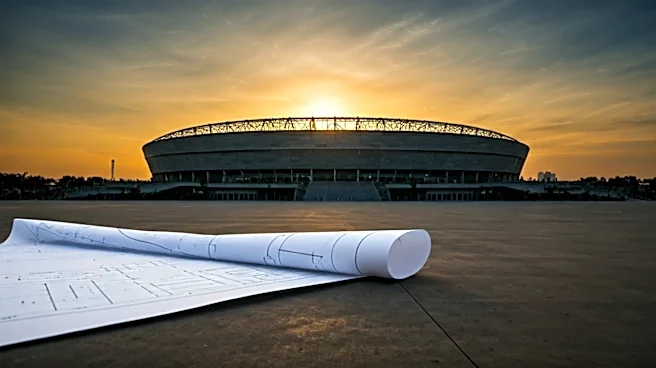
Beyond the immediate economic impact, hosting forces a country to invest in itself. The deadline of the opening match creates a powerful incentive to complete ambitious infrastructure projects that might otherwise languish for decades. New subway lines, modernized airports, and upgraded telecommunications networks benefit citizens long after the final whistle blows. These tangible improvements are a key part of the pitch to a host nation's own population. However, this legacy can have a dark side. Construction is often rushed, leading to safety issues and cost overruns. More critically, the focus on building brand-new, FIFA-compliant stadiums can divert funds from more pressing needs like schools, hospitals, and housing. The challenge for any host is ensuring that the infrastructure built for a one-month event serves the community for years to come, rather than becoming a symbol of misplaced priorities.
The Intangible Payoff: National Pride
Finally, don't underestimate the emotional factor. For the host nation, the World Cup is a month-long festival of national pride. Cities are draped in national colors, and a palpable sense of unity and excitement can temporarily override political divisions and everyday concerns. Seeing your country presented beautifully on a global stage, welcoming the world, and celebrating a shared passion creates a powerful collective experience. When the home team performs well, this effect is amplified tenfold, creating a 'feel-good' factor that, while impossible to quantify in dollars, is politically and socially invaluable. It’s a chance for a country to fall in love with itself again, and for many leaders, that unifying power is worth the astronomical price tag.