






‘There’s Not Enough Scoring!’
This is the foundational bad take, the one that unites all first-time tournament watchers. In a country weaned on the constant action of basketball and the explosive plays of football, a 1-0 result can feel like a bug, not a feature. But in soccer, the scarcity
of goals is precisely what makes them so monumental. A single goal is an earthquake. It’s the culmination of tactical battles, physical exertion, and often, a moment of pure, unadulterated genius. Unlike sports with dozens of scoring plays, a soccer goal can validate 90 minutes of defensive resilience or shatter it in an instant. The tension doesn't come from a high frequency of scoring, but from the ever-present possibility that any second could produce a moment of history that will be replayed for decades.
‘Why Don’t They Just Stop Flopping?’
Ah, the theatrics. To a new fan, a player clutching their shin after a seemingly minor challenge looks like embarrassing drama. While there’s certainly an element of gamesmanship—sometimes called simulation—it’s not just about being dramatic. Drawing a foul in a key area of the field is a potent strategic weapon. A free kick near the opponent's box is a valuable scoring opportunity, and a yellow or red card can completely change the complexion of a match by forcing the other team to play with fewer players. What looks like 'flopping' is often a calculated, albeit frustrating, attempt to gain a critical advantage in a game where every edge matters. It’s a part of the sport’s complex psychological warfare.
‘A Tie Is Like Kissing Your Sister’
This classic American sports cliché just doesn’t translate to global soccer. Outside of knockout stages, where a winner must be decided, the draw is a fundamental part of the game's structure and strategy. In a group stage, securing a draw against a much stronger opponent can be a monumental victory in itself, earning a crucial point that could mean the difference between advancing and going home. A hard-fought 0-0 draw isn't a failure for both sides; it's a testament to defensive organization, goalkeeping heroics, and tactical discipline. It’s a result, just like a win or a loss, and it carries its own weight and strategic implications.
‘The Star Player Disappeared’
In other sports, the star player can often take over a game through sheer individual will. In soccer, it’s far more complicated. A world-class attacker can be completely neutralized not by one person, but by an entire defensive system designed to deny them space and service. A viewer might wonder why a star striker isn’t getting any shots, not realizing that two defenders are constantly shadowing them while a defensive midfielder cuts off every passing lane in their direction. Their “disappearance” isn’t a sign of failure; it’s a sign of the respect the opposing team is showing them. The truly great players learn to impact the game even when they aren't scoring, by drawing defenders away and creating space for their teammates to exploit.
‘Why Don’t They Shoot From Everywhere?’
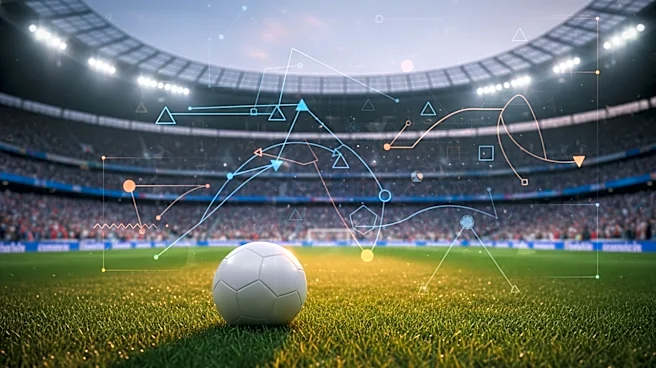
The logic seems simple: you can't score if you don't shoot. But a low-percentage shot from 30 yards out is often worse than not shooting at all. It almost never goes in and, more importantly, it turns over possession to the other team, potentially sparking a dangerous counter-attack. Modern soccer, heavily influenced by analytics, prizes shot quality over shot quantity. Teams are coached to be patient, to work the ball into high-percentage scoring areas inside the penalty box. That intricate passing you see around the edge of the box isn't indecisiveness; it's a methodical attempt to unbalance a compact defense and create a clear-cut chance, rather than just hoping for a miracle from long range.