







The Rules You See, and The Rules You Don't
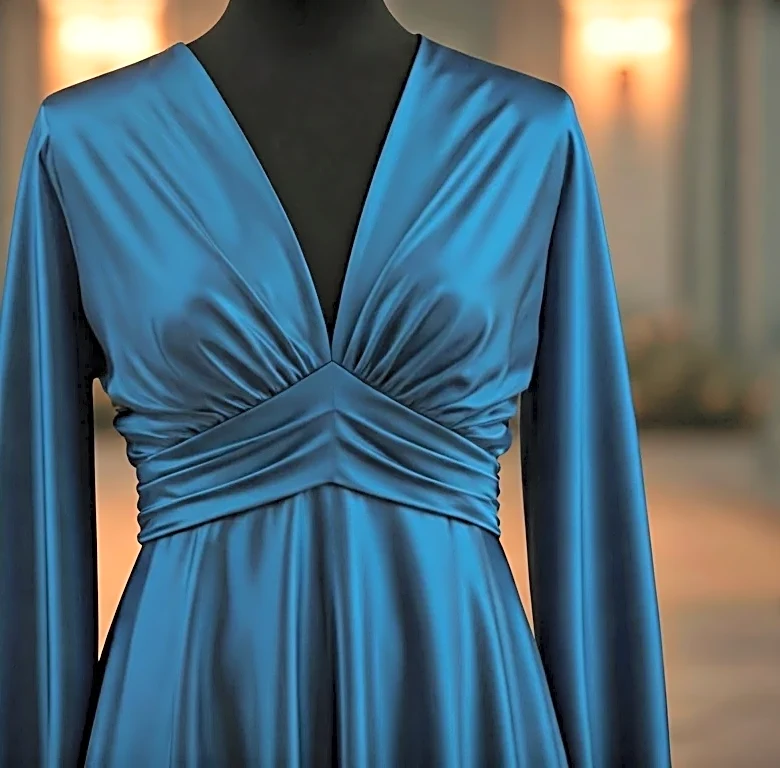
To gain entry into the Royal Enclosure at Ascot, one must follow a famously rigid set of rules. For ladies, dresses must be of a “modest length” falling just above the knee or longer. Straps must be at least one inch wide. And, of course, a hat or substantial
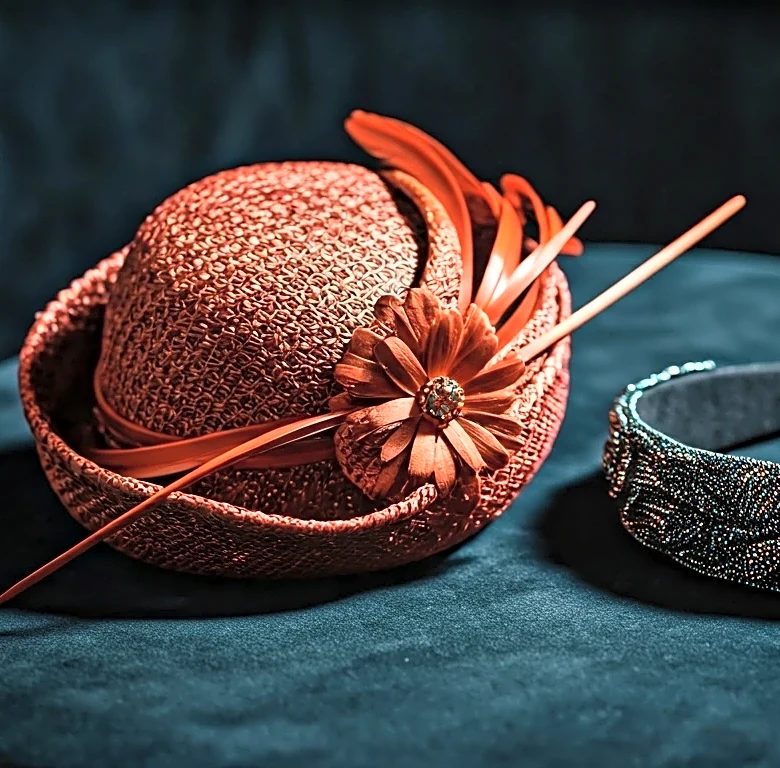
headpiece is non-negotiable. These regulations create a uniform canvas, a baseline of decorum that separates Ascot from any other day at the races. But for the sartorially savvy, these rules are not limitations; they are the formal starting point for a much more interesting game. The real art of Ascot dressing lies in mastering the unwritten rules—the subtle codes of fabric, silhouette, and, most importantly, color that signal one’s understanding of tradition, taste, and occasion.
A Silent Language in Fifty Shades of White
While rainbow brights and bold prints certainly make a splash, the true connoisseurs often operate within a whisper-soft palette. This is where the drama of ivory, ecru, and cream comes in. These are not interchangeable shades; they are distinct choices, each carrying its own weight and meaning. A crisp ivory speaks to a certain formality and architectural precision, often seen in structured silks or sharp tailoring. It’s classic, almost bridal, but in the context of Ascot, it reads as confident and clean. Cream, with its yellow undertones, feels softer, more romantic, and slightly more approachable. It pairs beautifully with florals and suggests a gentle, pastoral elegance. Then there’s ecru, the most complex of the trio. With its slightly grayish, unbleached linen feel, it communicates a relaxed, almost bohemian sophistication. It’s the choice for someone who is aware of the rules but wears them with an air of effortless chic, as if their outfit is an heirloom, not a brand-new purchase.
Case Studies from the Grandstand
The royals themselves are master practitioners of this nuanced color language. The Princess of Wales, for example, might choose a sharp, ivory coat-dress that emphasizes her polished and dutiful public role. It's a choice that is both respectful of the institution and impeccably modern. In contrast, you might see a guest like Princess Beatrice or Eugenie in a softer cream, perhaps in a flowing dress paired with a floral hat, projecting a more relaxed and personable vibe. Zara Tindall, known for her down-to-earth nature, could easily lean towards an ecru or stone-colored ensemble that feels both elegant and practical. These aren't accidental selections. They are carefully considered decisions that telegraph mood, status, and personality without saying a word. A well-chosen neutral becomes a canvas for stunning millinery and heirloom jewelry, allowing the accessories to shine while the dress provides a backdrop of quiet luxury.
The Ultimate Power Move
In a world saturated with look-at-me peacocking, there is a unique power in understatement. To opt for a subtle variation of off-white at an event known for its visual extravagance is its own form of rebellion. It’s a sartorial flex that says, “I don’t need neon or enormous prints to be noticed.” It suggests a deep confidence and an insider’s knowledge. Choosing the perfect shade of cream that complements your skin tone and the specific light of an English summer day is a detail that separates the stylish from the merely well-dressed. It’s a quiet declaration of taste, a nod to those who appreciate the difference between a simple dress and a thoughtfully constructed ensemble. In the grand theater of Royal Ascot, the loudest statements are often made in the quietest tones.