


Headliners Are a Foregone Conclusion
Let’s be honest: the top line of the Lollapalooza poster rarely offers a true surprise anymore. The headliners are often the same titans cycling through the global festival circuit, their spots seemingly preordained by streaming numbers and touring capacity.
Acts like Charli XCX, Lorde, and The Smashing Pumpkins on the 2026 bill weren't discovered by Lollapalooza; they were confirmed by it. In the past, Lollapalooza was a kingmaker, a touring showcase that could turn underground acts like Pearl Jam or Nine Inch Nails into household names. Today, its role at the top of the bill is less about discovery and more about validation. It’s the music industry’s version of a presidential inauguration: we already know who won the election, but the ceremony itself provides a powerful, unifying spectacle. The festival doesn't tell you who is big; it reflects a status already achieved.
The Real Power Is in the Undercard
If the headliners are a sealed deal, the true gatekeeping now happens in the festival's small print. The real currency Lollapalooza wields is its ability to elevate emerging artists. A spot on a Lollapalooza side stage provides a level of legitimacy and visibility that even a viral moment can't guarantee. It’s a stamp of approval from a trusted brand, signaling to the industry and fans alike that an artist is worth watching. While a playlist can deliver millions of passive streams, a festival performance delivers thousands of engaged, in-person fans and invaluable industry buzz. For artists on the rise, getting booked for Lolla is a critical step in the pipeline, a move that separates streaming sensations from sustainable live acts. This is where the festival’s curators flex their muscles, handpicking the next generation and, in doing so, shaping the sounds that will bubble up to the mainstream in the years to come.
You Can't Playlist a Vibe
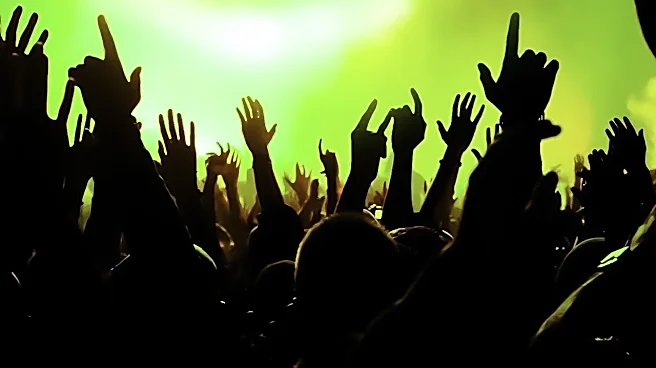
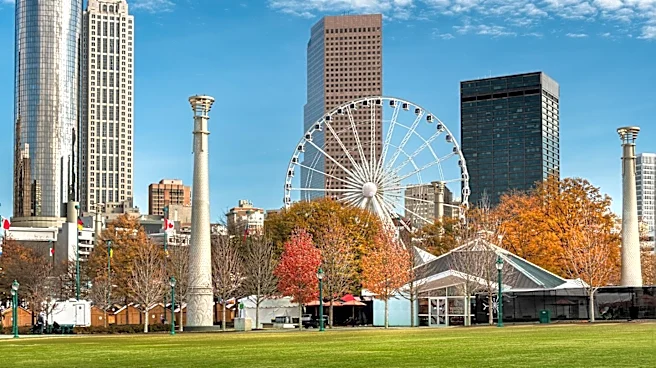
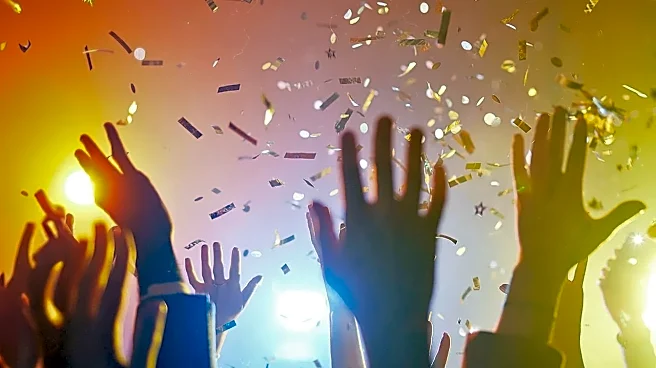
The single biggest flaw in the “playlists killed the gatekeeper” argument is that it mistakes a list of songs for a cultural experience. A Spotify playlist is a solitary, personalized affair. Lollapalooza is a communal, four-day commitment. People don't just go for the music; they go for the shared energy, the fashion, the food, and the feeling of being part of a massive, city-defining event in Chicago's Grant Park. The festival's true product isn't a collection of artists, but a meticulously curated atmosphere. By selecting a diverse, genre-fluid lineup that moves from K-pop to hyperpop to indie rock, Lollapalooza is crafting a specific, youth-oriented aesthetic. It sells an identity. The gatekeeping, then, isn't just about which bands get to play; it's about defining the look, feel, and sound of a particular cultural moment for 400,000 attendees. An algorithm can recommend your next favorite song, but it can't sell you a collective identity.
The Economic and Legacy Moat
Founded in 1991 as a scrappy, touring counterculture experiment, Lollapalooza is now a global institution, a cornerstone of Live Nation's massive live events empire. This scale creates an enormous barrier to entry. Competing with Lollapalooza requires more than a good lineup; it requires hundreds of millions of dollars in infrastructure, marketing, and talent booking. This economic reality means that legacy brands like Lolla have a built-in advantage that new festivals simply cannot match. Its longevity has turned it into a rite of passage, a brand name that sells tickets on its own reputation. It has evolved from a traveling showcase of alternative culture to a destination event that has laid the blueprint for the modern American festival. This power, cemented over three decades, ensures its place at the top of the food chain, regardless of how democratized music discovery becomes.