




More Than a Waiting Wife
For millennia, The Odyssey has been just that: Odysseus’s story. It’s a foundational text of Western literature chronicling a king’s ten-year struggle to return home from the Trojan War. He battles monsters, resists sorceresses, and navigates the wrath
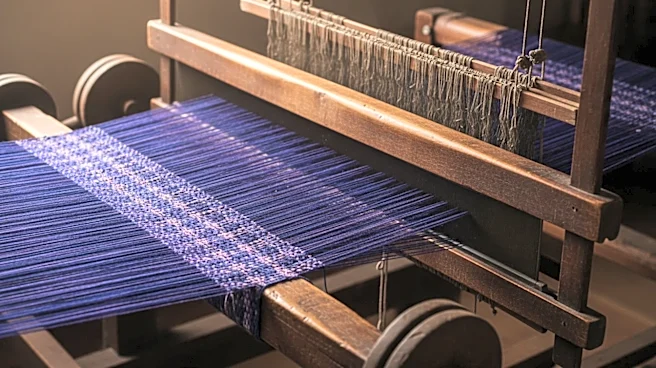
of the gods. Back in Ithaca, his wife, Penelope, waits. Traditionally, her story is one of patience and fidelity, a domestic anchor to his grand adventure. She is famous for her cleverness, most notably unweaving a burial shroud each night for three years to delay choosing a suitor from the brutish mob that has invaded her home. But her interior life, her own struggles, and her strategic command of a volatile political situation are often treated as secondary to her husband’s more cinematic exploits.
A Modern Epic Needs a Modern Center
Recent years have seen a powerful wave of literary and dramatic retellings that reclaim the stories of mythology's women. Works like Madeline Miller’s “Circe” and Margaret Atwood’s “The Penelopiad” have reframed ancient tales, giving depth, agency, and a powerful voice to characters who were once confined to the margins. These stories have proven that there is a huge appetite for perspectives beyond the male hero's journey. By positioning an actress of Hathaway's caliber in the role of Penelope, Nolan’s film has the potential to do the same on a blockbuster scale. It suggests a version of The Odyssey that isn't just about the journey home, but about the home itself—what it means to protect it, to rule it in absence, and to be its unwavering, strategic center of power. Penelope isn’t just waiting; she’s governing. She's holding a kingdom together under siege, a feat of endurance and intelligence that rivals any of Odysseus's physical challenges.
Why Anne Hathaway is the Perfect Choice
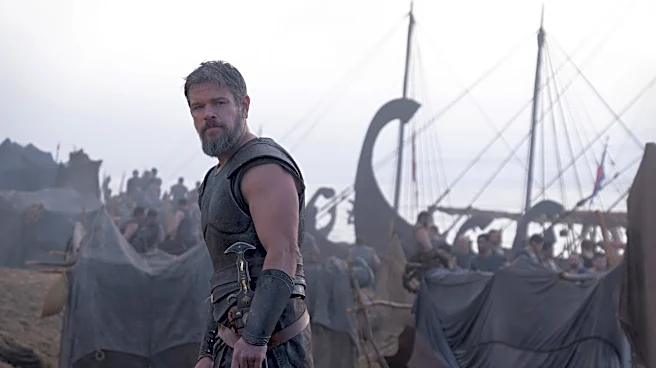
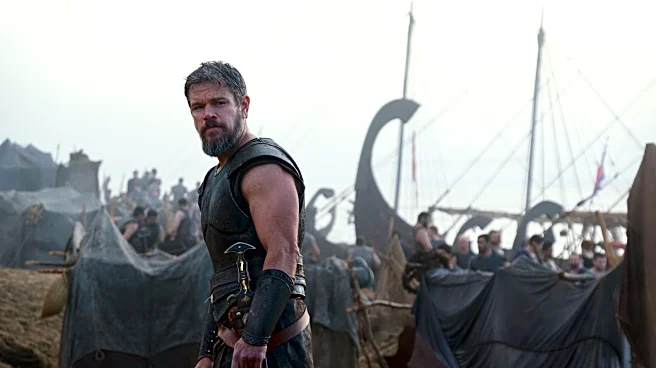
Anne Hathaway brings a unique combination of gravitas, intelligence, and relatable warmth to her roles. She can portray profound strength while also conveying deep vulnerability, a duality that is essential for a modern Penelope. From her Oscar-winning performance in “Les Misérables” to her commanding presence in films like “The Dark Knight Rises” and even her surprising depth in “Interstellar,” Hathaway has demonstrated an ability to anchor emotionally complex narratives. Her Penelope could be more than a symbol of faithfulness; she could be a fully realized political operator, a lonely spouse, and a protective mother, all at once. Initial reactions from early screenings already suggest Hathaway is a standout in an all-star cast that reportedly includes Matt Damon as Odysseus and Tom Holland as Telemachus. Her performance has the potential to make Penelope the character audiences connect with most deeply.
An Odyssey for a New Generation
A film that truly gives Penelope her due would not diminish Odysseus's journey but enrich it. It would create a powerful parallel narrative, showing two leaders fighting different kinds of wars for the same goal: family and home. It transforms the story from a solitary hero's quest into a sprawling drama about a partnership tested by distance and time. The film could explore the immense pressure on Penelope, the emotional toll of her twenty-year wait, and the sheer intellectual force required to outmaneuver 108 suitors. By making Penelope’s story a central pillar of the film, Christopher Nolan isn't just adapting Homer; he's responding to a cultural shift that demands fuller, more complex stories. He’s creating an epic not just of adventure, but of resilience in all its forms. The monsters and mayhem will be thrilling, but the real power of this Odyssey may come from the quiet, unbreakable strength of its queen.