



The Character Is the Client
In fashion, a collection often starts with an abstract concept, a color, or a historical era. The story, if there is, can feel secondary to the aesthetic. For a cosplayer, the opposite is true. The entire purpose of the garment is to embody a specific
character. Before a single stitch is made, cosplayers engage in deep research, analyzing a character's personality, backstory, and environment to inform their design choices. They ask: Is this character battle-worn, royal, shy, or audacious? The answers dictate everything from fabric choice—rough canvas for a gritty survivor, flowing silk for an ethereal mage—to the smallest details, like scuffs on a boot or the specific weight of a cloak. This character-first approach ensures every element serves the narrative, making the clothing a second skin for the story itself.
Creativity Forged in Community
High fashion is notoriously top-down, with a singular creative director’s vision reigning supreme. Cosplay, by contrast, is a profoundly collaborative and open-source culture. When faced with the challenge of translating a fantastical, gravity-defying design from a comic book or video game into reality, cosplayers don't work in a vacuum. They turn to a global community via forums, social media, and conventions to share techniques, troubleshoot problems, and offer constructive feedback. This collective hive mind accelerates innovation, popularizing new methods for working with unconventional materials like foam, thermoplastics, and 3D-printed elements. This spirit of shared knowledge prioritizes the success of the final creation over individual ego, fostering a supportive environment where everyone's skills are elevated.
Ingenuity Over Opulence
Fashion houses have access to the world's most luxurious materials and biggest budgets. Cosplayers often have the opposite: limited funds and a need for serious resourcefulness. This constraint breeds a unique form of creativity. They become masters of material alchemy, figuring out how to make foam look like weathered steel, how to dye synthetic wigs with perfect color gradients, and how to construct elaborate armor that is both lightweight and durable enough to survive a crowded convention floor. This problem-solving mindset leads to true innovation, proving that a compelling design doesn't depend on expensive textiles. The focus is on the effect, the silhouette, and the story it tells, not the price tag of the fabric.
Performance and Practicality Matter
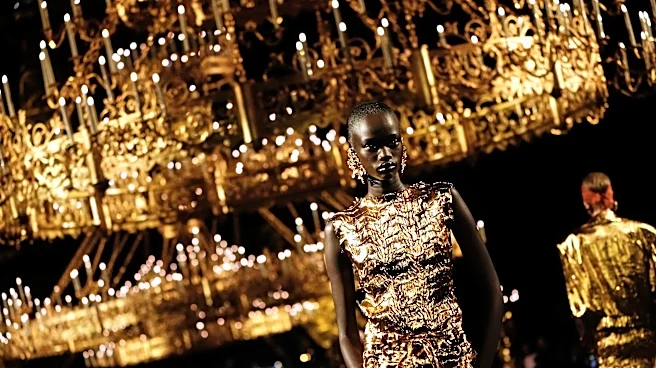
Runway fashion is often designed for a 60-second walk under perfect lighting. It’s a fleeting, static presentation. A cosplay costume, however, is made to be lived in. It must withstand hours of wear, movement, and interaction. This forces a consideration of practicality that many high-fashion pieces lack. A cosplayer has to think about how a suit of armor will bend when they sit, or whether a flowing cape will become a tripping hazard. This focus on wearability is, in itself, a form of character building. The way a garment moves with the wearer, the sounds it makes, and how it feels to inhabit it are all part of the performance of bringing a character to life—a lesson in kinetic storytelling that fashion often forgets.