







The Terror of the Unknown
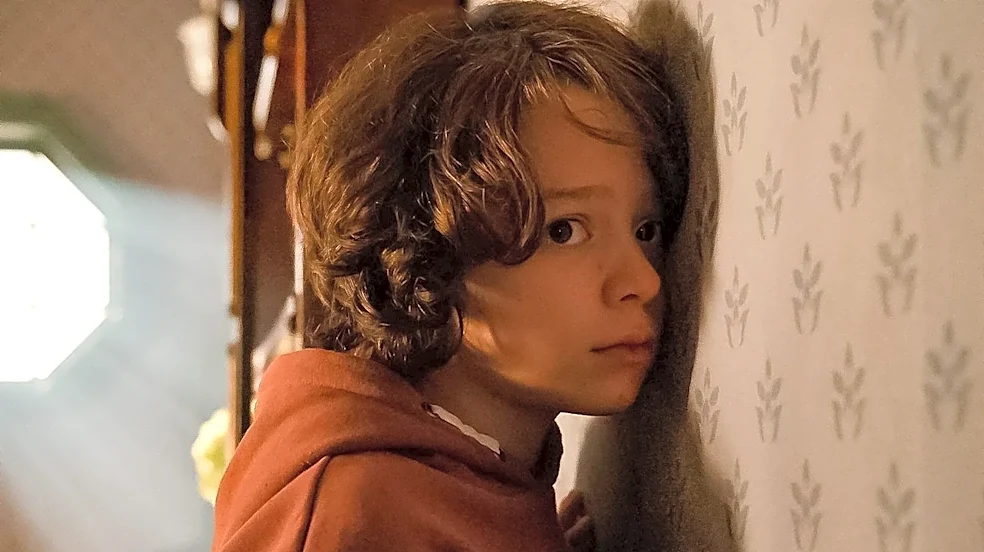
When you walk into a long, dark, and seemingly empty hallway, your brain goes into overdrive. Every creak of the floorboards, every distant whisper in the sound design, becomes a potential threat. Production designers call this 'negative space', and it's
a powerful tool for creating suspense. This emptiness doesn't just give you nothing to look at; it gives your imagination a blank canvas to paint its worst fears. As production designer Sophie Becher notes, 'The power of a space and the power of the imagination within the space is so exciting'. The brain is wired to detect patterns and anticipate danger. When it's deprived of information, it starts filling in the blanks. That shadow in the corner? It’s not just a shadow anymore. It’s whatever monster you've been subconsciously dreading all night. The designer hasn't built a monster; they've simply created the perfect conditions for you to create your own.
Mastering the Economy of Scares
A haunted house that relies on constant jump scares is like a movie composed entirely of explosions—after a while, you become numb to it. Designers understand the 'economy of scares,' the principle that fear is more effective when it's paced correctly. The moments of quiet dread are what make the sudden scares land with gut-punch intensity. Dread requires duration; it's a sustained pressure that needs room to build. The empty hallway serves as a reset button for your adrenal system. As you creep forward, your anxiety builds, your senses heightened. You know a scare is coming, but you don't know when or from where. This tension is the real product. The jump scare is just the release. By spacing out the major frights, designers ensure each one has maximum impact, preventing the visitor from becoming desensitized and keeping them in a profitable state of entertainment.
Designing the Void
Creating effective empty space is an art form in itself. It’s not just about leaving a room un-decorated. Designers use several techniques to make nothing feel like something. Darkness is the most obvious tool, shortening sight lines and forcing guests to question what’s just beyond their vision. Sound design is crucial, filling the silence with unsettling ambient noises—a distant floorboard creaking, an indistinct whisper, or the low hum of machinery that seems to be getting closer. Architecture is also manipulated to create unease. Corridors might be unnaturally long or narrow, ceilings uncomfortably low, or a room might contain a single, unnerving object, like a lone chair facing a wall. As one guide for builders notes, including false doors or dead ends makes guests stop and think, amplifying their vulnerability. These elements work together to make the space feel wrong, turning the environment itself into an antagonist.
Your Brain Is the Real Haunted House
Ultimately, the use of empty space is a masterclass in psychological manipulation. The designer understands that no animatronic or costumed actor can compete with the horrors of the human imagination. By stripping away stimuli, they force the visitor's focus inward. The fear is no longer about what might jump out from a hidden panel; it’s about the deeper, more primal anxieties that surface in the quiet and the dark. You are left alone with your thoughts in a place that feels inherently unsafe. This approach taps into the fundamental nature of being 'creeped out' — an ambivalence where your brain can't clearly tell if there's a threat, leaving you frozen in a state of high alert. The haunted house designer isn't just building a set; they are architecting a controlled fear experience where you, the visitor, become the primary source of your own terror.