






From On-Court Mishap to Iconic Status
The tennis bracelet's story is one of accidental branding genius. Before it had its sporty name, it was known as an "eternity" or "line" bracelet, a popular Art Deco style from the 1920s symbolizing unending love. Its identity was forever changed during
the 1987 US Open when tennis champion Chris Evert's diamond bracelet snapped mid-match. She famously asked officials to pause the game until her precious jewelry was found. The televised search captivated viewers, and in a brilliant stroke of spontaneous marketing, a jewelry icon was reborn. From that day on, it was the "tennis bracelet," a name that tied its classic elegance to a modern, active lifestyle. This unique origin story gives it a cultural significance that few other jewelry styles can claim.
The Foundation: Inherently Valuable Materials
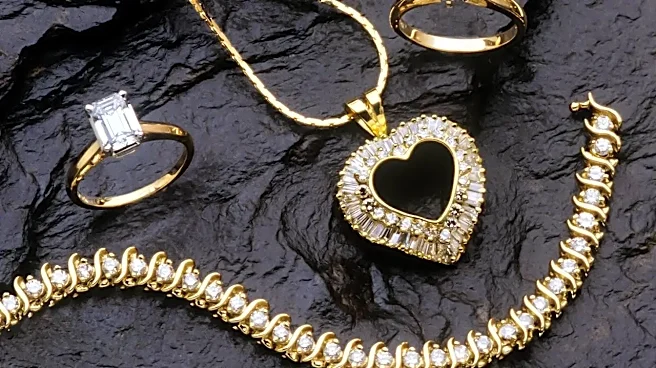
At its core, a tennis bracelet is an investment in tangible assets: precious metals and diamonds. Gold and platinum have intrinsic value, traded on global markets, which provides a stable foundation for the piece's worth. But the real stars are the diamonds. Unlike lab-grown stones, which have seen their prices and resale value plummet, natural diamonds are a finite resource, a key factor for long-term value retention. An investment-grade tennis bracelet features a continuous line of well-matched diamonds, where the quality—judged by the 4Cs (cut, color, clarity, and carat)—is paramount. Because it's composed of numerous stones, the bracelet's value is a testament to the consistency of its materials and craftsmanship. This composition makes it more than just a beautiful object; it's a wearable portfolio of valuable, sought-after resources.
Versatility Is Its Greatest Asset
An investment piece that sits in a safe only offers financial returns. A tennis bracelet, however, provides daily dividends in wearability. Its genius lies in its unmatched versatility. The simple, flexible line of sparkle transitions effortlessly from a casual daytime look with jeans and a t-shirt to professional workwear or elegant evening attire. It can be worn alone for a touch of minimalist luxury or stacked with a watch and other bracelets for a more contemporary, layered style. This chameleon-like ability to suit any occasion means it's rarely out of place. In investment terms, this constant relevance protects it from becoming dated, ensuring it remains desirable and doesn't just hold value but is also enjoyed.
A Modern Heirloom in the Age of Quiet Luxury
In today's fashion landscape, which increasingly favors "quiet luxury" over loud, logo-driven trends, the tennis bracelet is perfectly positioned. It is the epitome of understated elegance—a piece recognized for its quality and classic design rather than a brand name. As investors and consumers look for assets that are both beautiful and durable, the tennis bracelet shines as a modern heirloom. It's not just an accessory; it's a piece of fine jewelry meant to be passed down through generations, retaining both sentimental and monetary value. While the jewelry market can fluctuate, the combination of iconic history, precious materials, and timeless design makes the tennis bracelet a standout choice for those looking to invest in something with enduring appeal.