



From Brand New to Battle-Worn
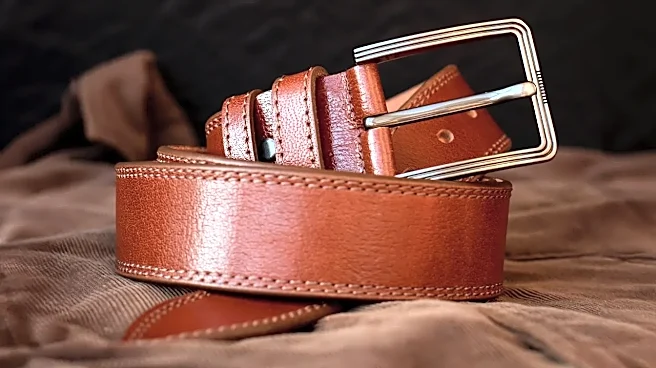
In the world of fantasy and historical recreation, authenticity is everything. A gleaming, factory-fresh buckle on a weathered leather belt can shatter the illusion of a seasoned adventurer. This is why creators dedicate so much effort to 'weathering'
or 'aging' their props. The goal is to tell a story without words. Scratches, tarnish, and discoloration suggest a history, a life lived. Is the belt from a noble knight? The tarnish might be minimal, with only the highest points polished from years of proud wear. Is it from a rogue who has been in countless tavern brawls? Expect deeper gouges and a grittier finish. This process isn't about damaging the item, but about adding character and narrative depth that makes the entire costume feel more believable and alive.
The Magic Word Is 'Patina'
The secret to a genuinely old look is achieving a convincing 'patina'. Patina is the thin layer that naturally forms on the surface of metals like copper, bronze, and brass over long periods of exposure to oxygen and other elements. Think of the greenish hue on the Statue of Liberty or the warm, dull sheen on an old brass key. Prop makers don't have decades to wait, so they use techniques to simulate or accelerate this process. For items that aren't made of real metal, like 3D-printed plastic or EVA foam, the entire effect is an illusion created with paint. For actual metal hardware, the process can involve either paint-based methods or chemical treatments that force the metal to oxidize. The result is a finish that looks like it has been earned through time and circumstance.
The Prop Maker's Toolkit
Creating an aged look doesn't necessarily require a complex workshop. Many of the most effective techniques rely on common materials. The most popular method involves acrylic paints. A base coat of metallic silver or gold is often applied first. Then, a thinned-down black or dark brown acrylic paint, known as a 'wash', is brushed over the entire piece. Before the wash dries, it's wiped off the raised surfaces with a cloth or paper towel. The dark paint remains in the crevices and deep recesses, mimicking years of accumulated grime and tarnish. This instantly creates a sense of depth and dimension. To take it further, artists use a technique called 'dry brushing', where a brush with very little silver or bronze paint is lightly dragged over the high points to simulate areas that would be worn shiny from constant handling.
Advanced Illusions and Final Touches
For an even more realistic finish, creators layer multiple effects. A green or teal wash can be selectively applied to brass or copper-painted items to simulate verdigris, the tell-tale blue-green patina. A touch of reddish-brown paint can look like rust. Some makers even use household items like mustard or toothpaste as a masking fluid before spray painting; when washed off, they reveal 'chipped' sections of the base metal underneath. Another common tool is a simple silver sharpie, which can be used to draw fine scratches and edge wear that look incredibly realistic on painted props. The key is building these effects in subtle layers. Each layer adds to the story, turning a simple belt buckle into an artifact that feels like it was pulled directly from a fantasy world.