
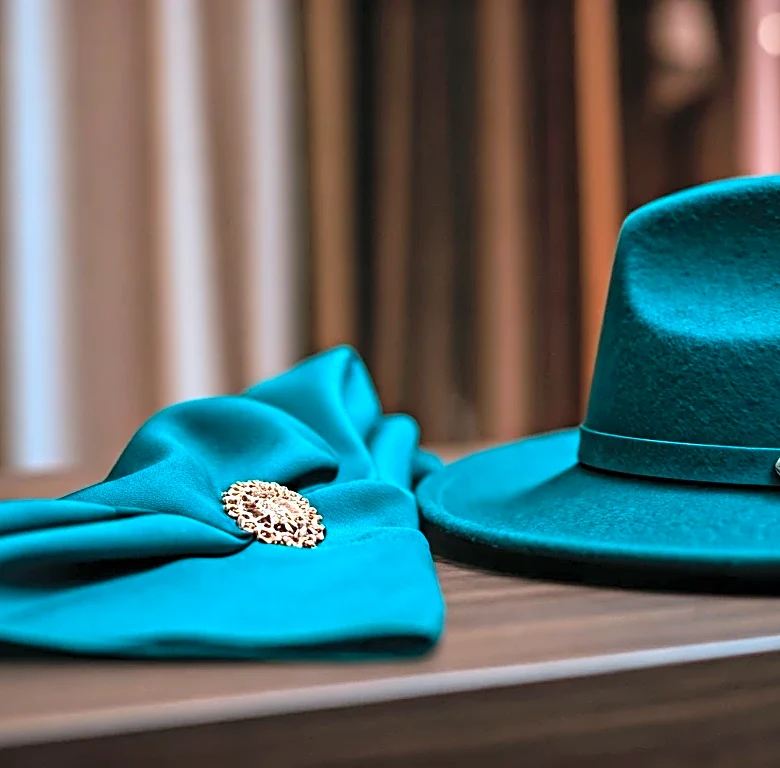
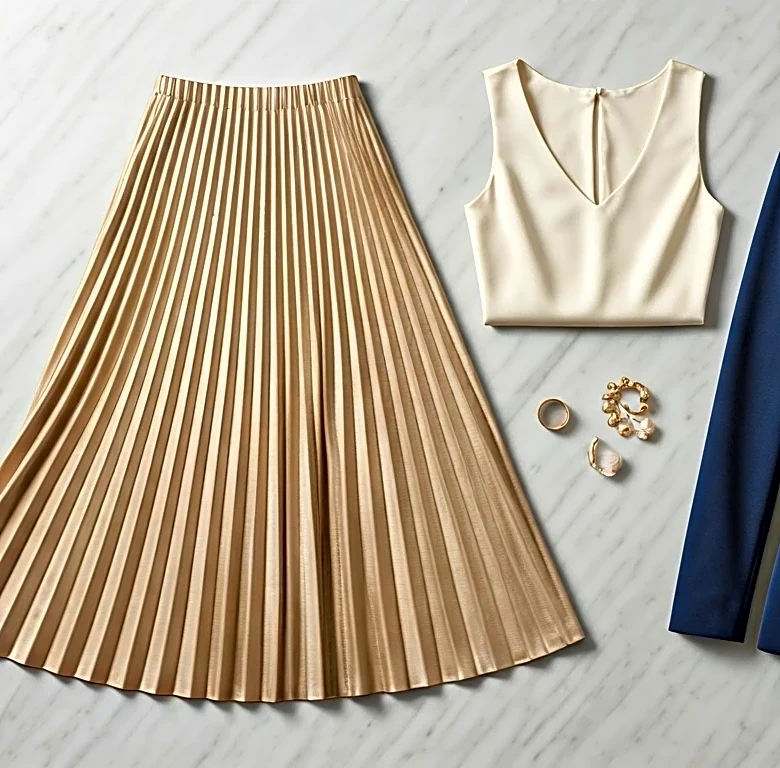





The Challenge: A Sartorial Marathon
Before we dive into the fabrics, let’s set the scene. A day at Ascot involves standing for hours, navigating grassy lawns in heels, and enduring the notoriously fickle British weather, which can swing from scorching sun to sudden drizzle. The formal dress
code demands elegance, but the environment demands resilience. The goal is to find materials that breathe, resist wrinkles, hold their shape, and look just as good in the candid iPhone shot as they do to the naked eye. This is where fabric selection becomes less about fashion and more about strategic engineering. The wrong choice can lead to a wilted, creased, or sweat-stained appearance before the main event even begins.
1. Strategic Linen Blends
Pure linen is the classic summer fabric, beloved for its breathability. However, it wrinkles if you so much as look at it, making it a risky choice for an all-day affair like Ascot. The pro move is to opt for a linen blend. When woven with silk, cotton, or even a touch of viscose, linen retains its cool, airy properties while gaining crucial wrinkle resistance. A linen-silk blend, for instance, offers the coolness of linen with the subtle luster and smoother drape of silk. It’s the perfect compromise, keeping you comfortable in the heat while minimizing the dreaded creasing that happens after sitting in the grandstand. This fabric looks effortlessly chic and says “I understand summer elegance” without sacrificing practicality.
2. Structured Silk (Not the Flimsy Stuff)
When you think of silk, you might picture floaty, delicate chiffon. While beautiful, that’s a potential liability in a breeze. For Ascot, think structural silks. Fabrics like silk faille, dupioni, or shantung are the MVPs. They have enough body and weight to create dramatic silhouettes—A-line skirts, sharp tailoring—that hold their shape all day. These silks have a rich, deep luster that photographs exceptionally well, catching the light without creating unflattering shine. They feel luxurious against the skin but are substantial enough to resist minor crushing. A dress made of silk faille won’t just survive the day; it will make a statement from start to finish.
3. High-Quality Crepe
Crepe is the unsung hero of event dressing. Made from silk, wool, or synthetic fibers, its defining characteristic is its slightly crinkled, textured surface, which makes it phenomenally wrinkle-resistant. It’s the ideal fabric for someone who wants to look polished with zero effort. Crepe has a beautiful drape that skims the body gracefully without clinging, making it both flattering and comfortable. It's also relatively lightweight, but with enough heft to feel substantial and not be see-through in the sun. A well-tailored dress or jumpsuit in a quality crepe looks sophisticated and modern, and it will look exactly the same at 5 p.m. as it did at 11 a.m. It’s a true workhorse fabric disguised as pure elegance.
4. Elevated Cotton
Forget your basic weekend t-shirt. The cotton that makes the cut for Ascot is in another league. We’re talking about high-twist cotton poplin, polished sateen, or intricate broderie anglaise. These premium cottons are densely woven, giving them a crisp, smooth finish that resists casual wrinkling and feels cool and fresh in the heat. A starched cotton poplin dress offers a clean, architectural look that feels both classic and modern. Broderie anglaise, with its delicate eyelet embroidery, provides built-in ventilation while looking utterly romantic. Cotton is also fantastic at taking vibrant color, making it a great canvas for the bold hues often seen at the racecourse. It’s a humble fabric elevated to high-fashion status through superior craftsmanship.