






It’s Not You, It’s the Bag
First, let's clear something up: not all undereye bags are created equal. The disagreement among dermatologists starts here, because the right treatment depends entirely on the cause. The most common culprits include genetics, aging, allergies, and lifestyle
factors like sleep or diet. These causes result in different types of bags. Some people have temporary puffiness from fluid retention, which might appear after a salty meal or a poor night's sleep. Others have true bags caused by the prolapse, or bulging, of the natural fat pads that cushion the eyes. As we age, the ligaments holding this fat in place weaken, allowing it to push forward. This can be compounded by skin losing its elasticity and the development of a hollow area below the bag, known as the tear trough, which creates a shadow and makes the bag look more prominent. Sometimes, what people call bags are actually dark circles caused by hyperpigmentation or thin skin showing blood vessels underneath. A dermatologist's first job is to diagnose which type of bag you have, because a treatment for fluid won't fix a fat pad.
The Topical Treatment Debate
Walk down any skincare aisle and you’ll find dozens of eye creams promising to erase bags. This is a major point of contention. Do they work? The answer is a frustrating 'sometimes,' and only for specific issues. Creams containing caffeine can temporarily constrict blood vessels, which may reduce puffiness caused by fluid. Those with ingredients like peptides or growth factors aim to boost collagen and can help with fine lines over time. However, dermatologists agree that no over-the-counter cream can remove or shrink herniated fat pads or significantly tighten truly loose skin. The debate, therefore, isn't about whether a high-quality eye cream can hydrate or offer minor, temporary benefits—it’s about managing patient expectations. Many dermatologists see them as a supportive measure for mild puffiness or dark circles, while others are quick to point out their limitations for more structural problems, cautioning clients against spending heavily on products that can't solve the root issue.
Fillers: A Quick Fix or a Future Problem?
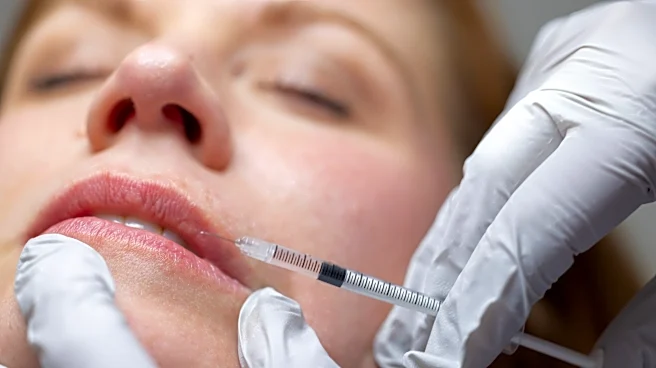
Injectable fillers, typically made of hyaluronic acid, are a hugely popular non-surgical option. They work by adding volume to the hollow tear trough area, smoothing the transition between the cheek and the lower eyelid, which camouflages the bag. The appeal is obvious: instant results with no surgery. Here’s where the professional disagreement gets heated. When done correctly on the right candidate (someone with hollowing but not severe bags), the results can be fantastic. However, the undereye area is notoriously tricky. Injecting filler here carries significant risks if performed by an inexperienced practitioner. A common issue is the Tyndall effect, a bluish discoloration that occurs if the filler is injected too close to the skin's surface. Overfilling or using the wrong type of filler can also lead to persistent puffiness and lumps, as hyaluronic acid attracts water. Some doctors are cautious, warning that fillers can migrate or create lymphatic blockages over time, leading to long-term swelling. The debate is a classic risk-reward calculation: the promise of a quick fix versus the potential for complications that can be difficult to correct.
The Surgical Solution: When to Make the Cut
For prominent undereye bags caused by protruding fat, the gold standard treatment is a lower blepharoplasty. This surgical procedure removes or repositions the excess fat, and sometimes a small amount of skin, to create a smooth, permanent contour. There is little debate about its effectiveness; for the right problem, it works. The disagreement lies in when to recommend it. Some practitioners advocate for trying less invasive options like fillers first, reserving surgery for severe cases or for those who aren't good filler candidates. Others argue that for a clear structural problem with fat pads, fillers are just a temporary, and potentially complicating, bandage. They believe going straight to surgery is more effective and, in the long run, more economical than years of filler appointments. This debate often involves a philosophical difference between plastic surgeons and dermatologists, who may have different toolkits and approaches to aging. The choice also depends heavily on the patient's willingness to undergo surgery and its associated downtime and cost.