


Sculptural & 3D Weaving
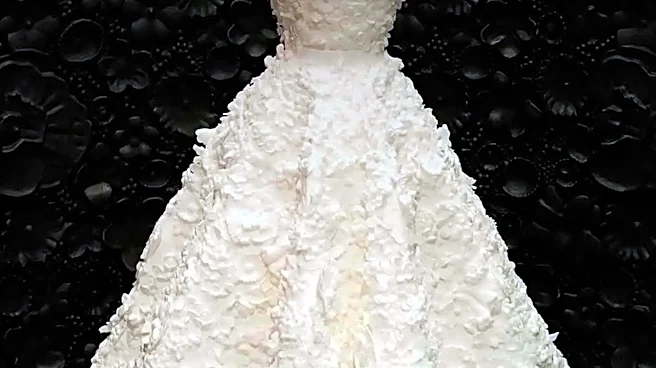
Forget flat tapestries. Today's artists are weaving, knotting, and constructing fibers into three-dimensional forms that command physical space. These pieces treat fabric like a sculptor treats clay, creating shapes that bulge, recede, and redefine the
silhouette. This technique has a direct line to avant-garde fashion, where designers like Rick Owens and the late Sarah Burton for Alexander McQueen have long explored how clothing can alter the human form. Look for works where the textile itself becomes the structure, creating volume and shadow all on its own.
Digital Jacquard Weaving
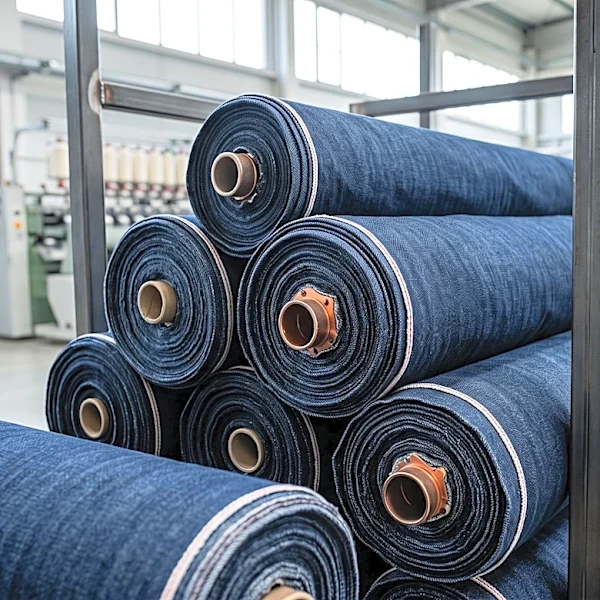
The Jacquard loom, a 19th-century invention that used punch cards to create complex patterns, has been supercharged for the 21st century. Artists are now using digital technology to weave photorealistic images, complex gradients, and mind-bending abstract designs directly into fabric. This process allows for an incredible level of detail and customization, moving beyond simple repeats to create singular, woven pictures. It’s the art-world equivalent of the hyper-detailed digital prints seen in collections from brands like Dries Van Noten, where the image is integral to the fabric itself.
Expressive Embroidery
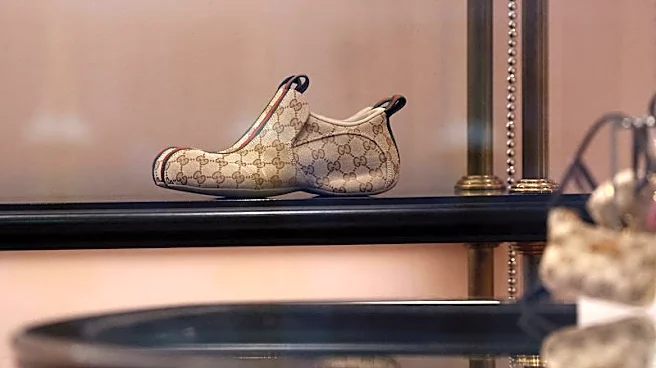
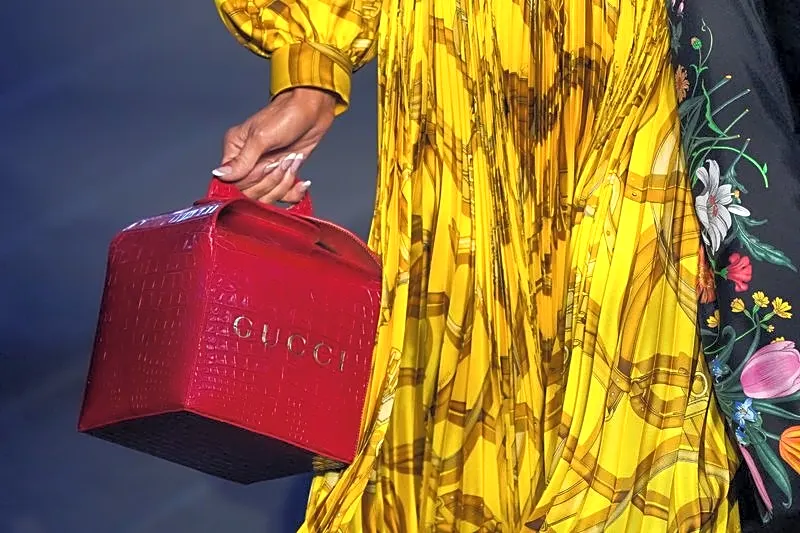
Embroidery is shedding its delicate, decorative reputation and entering a bold new phase. Contemporary artists are using thread like paint, creating dense, textural works that are both graphic and visceral. Techniques range from 'thread painting', which uses stitches to create photorealistic scenes, to more abstract applications where thick, layered threads add sculptural dimension. This painterly approach mirrors a trend in luxury fashion, where heavily embroidered statement pieces from houses like Gucci and Schiaparelli are treated as wearable canvases, each one telling a story through intricate stitch work.
Artisanal & Experimental Dyeing
A growing movement in both art and fashion is the return to purposeful, often sustainable, dyeing techniques. Artists are experimenting with natural pigments derived from plants, minerals, and even food waste to create unique, often one-of-a-kind colorations. These methods result in textiles with a depth and subtle variation that synthetic dyes can’t replicate. This trend aligns perfectly with the fashion world's increasing focus on sustainability and craft, where hand-dyed garments and unique colorways are prized for their authenticity and environmental consciousness.
Bio-Textiles & Living Materials
Perhaps the most futuristic technique on display is the use of bio-textiles. Artists and designers are collaborating with scientists to 'grow' materials from living organisms like algae, mushroom mycelium, and bacteria. These innovative processes can result in leather-like materials from brewery waste or fabrics that can be composted at the end of their life. While still largely experimental, these bio-materials are the focus of intense research and have been championed by forward-thinking designers like Stella McCartney, signaling a radical new direction for sustainable fashion.
Artistic Tufting
Once relegated to rug-making, tufting has exploded in the art world as a medium for creating 'soft paintings' and sculptures. Using a tufting gun, artists 'paint with yarn,' creating plush, highly textured surfaces with a distinct visual language. The ability to mix cut and loop piles adds further dimension, allowing for sculpted and embossed effects. This technique has quickly crossed over into fashion, with designers incorporating tufted panels into statement coats and accessories, capitalizing on its playful, tactile, and visually rich appeal.
Tech-Infused Textiles
Where craft meets code, you'll find textiles embedded with technology. This emerging field includes 'smart fabrics' with woven-in micro-LEDs that can change color or display patterns, and textiles that react to stimuli like heat or movement. Designers are exploring how to blend traditional craft with digital interactivity to create fabrics that are both beautiful and responsive. While still on the cutting edge, these tech-infused textiles point to a future where clothing and art can be programmed, personalized, and animated in ways we're only just beginning to imagine.