







A Nation's Crushing Expectation
For Brazil, the 2014 FIFA World Cup was more than a tournament; it was a destiny to be fulfilled. Hosting the world’s biggest sporting event carries immense pressure, but in a country where soccer is akin to religion, that pressure was monumental. The
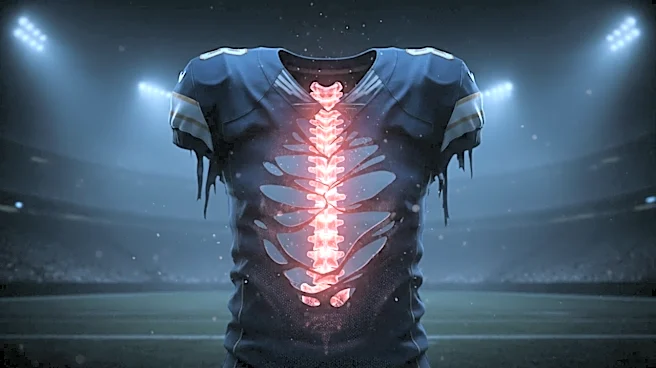
goal was nothing short of lifting the trophy on home soil, an act that was meant to exorcise the ghost of the “Maracanazo,” the shocking 1950 World Cup final loss to Uruguay in Rio. But the dream was already on shaky ground. In the quarterfinals, Brazil’s talisman, Neymar, suffered a fractured vertebra, ruling him out for the rest of the tournament. Making matters worse, their captain and defensive anchor, Thiago Silva, was suspended for the semifinal clash against Germany. The team that walked onto the pitch at the Estádio Mineirão was emotionally fragile and structurally weakened, carrying the weight of 200 million expectant fans on their shoulders. They were a team running on pure, desperate passion, about to collide with a cold, tactical machine.
The Unwanted Good Luck Charm
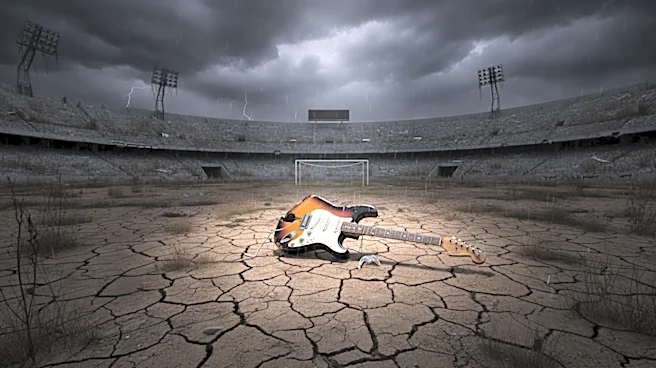
As if the on-field problems weren't enough, a strange omen was spotted in the stands. Mick Jagger, the iconic frontman of The Rolling Stones, was in attendance to support Brazil, accompanied by his son, Lucas, who is half-Brazilian. Under normal circumstances, a celebrity sighting is a fun footnote. But this was Mick Jagger at a World Cup, and he carried a reputation. Sports fans had developed a superstition around him known as the “Jagger jinx.” It started in earnest at the 2010 World Cup, where he watched England, the USA, and Brazil all get knocked out after he showed his support. The curse narrative continued in 2014 when he publicly backed Italy and Portugal, both of whom were promptly eliminated. Brazilian fans were so aware of the jinx that they had given him a nickname: “pé frio,” which translates to “cold foot,” a local term for someone who brings bad luck. His presence felt less like a celebrity endorsement and more like a harbinger of doom.
The Six-Minute Unraveling
The game began, and for ten minutes, it was a tense semifinal. Then, Germany’s Thomas Müller scored. 1-0. Disappointing, but manageable. What happened next, however, was not. It was a complete and total system collapse, a psychological meltdown broadcast to billions. At the 23-minute mark, Germany’s Miroslav Klose scored, making it 2-0 and breaking the all-time World Cup scoring record previously held by a Brazilian, Ronaldo. Just seconds later, Toni Kroos fired one in. 3-0. Before the stadium could even process the shock, Kroos scored again. 4-0. The goals came so fast they felt like a glitch in a video game. Then, Sami Khedira added another at 29 minutes. 5-0. Four goals had been scored in the span of just six minutes. The deafening roar of the Brazilian crowd had dissolved into stunned, funereal silence. Fans in the stands were seen weeping uncontrollably as the dream of a World Cup final on home soil turned into a surreal, waking nightmare.
From Icon to Scapegoat
The final whistle blew on a 7-1 scoreline, a historic humiliation that instantly earned its own name: the “Mineirazo,” or “the Mineirão blow.” It was Brazil's worst-ever loss, ending a 62-match unbeaten streak in competitive games at home. In the aftermath of such a profound national trauma, people looked for explanations. While the tactical failings and the absence of key players were the obvious reasons, the human desire for a simpler, stranger answer took hold. The cameras had found Mick Jagger in the crowd, and for a grieving nation, the “pé frio” was the perfect, if irrational, scapegoat. Brazilian social media exploded with blame for the rock star. The Jagger jinx was no longer just a funny meme; it was now tied to one of the most painful moments in the nation's sporting history. Jagger himself later joked, “I can take responsibility for the first German goal, but not the other six!” But in the raw emotion of the moment, a rock legend became an unlikely villain in Brazil's footballing nightmare.