

The Conductor of Hype
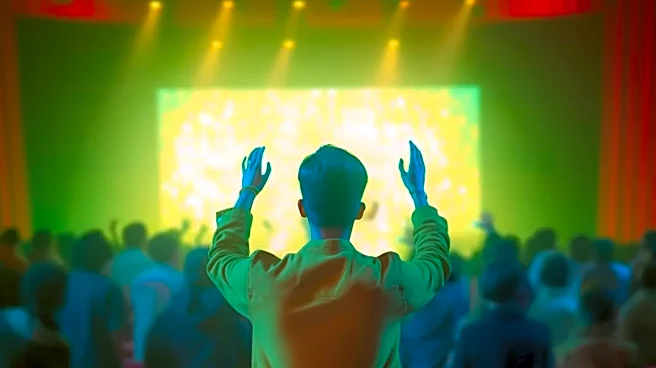
Before a single trailer drops or a poster is revealed, a blockbuster’s public life often begins on a convention stage. Thousands of the most passionate fans are gathered, ready to be the first arbiters of buzz. The studio has a meticulously planned message,
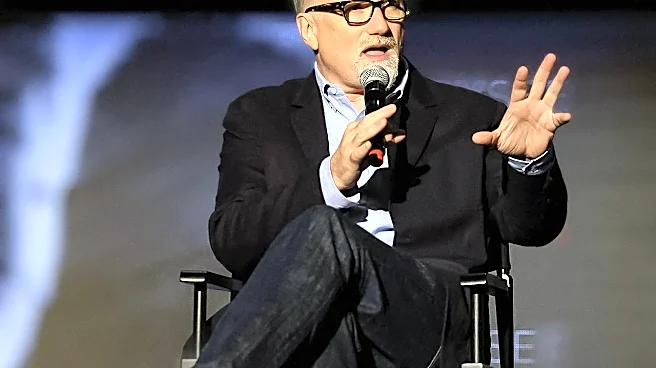
and the moderator is the chosen conductor for this high-stakes symphony. Their first job is to generate and sustain energy. They are not just asking questions; they are performing. A great moderator, often an industry insider or a beloved fan personality, sets a tone of excitement and celebration. Their introductions are crisp, their enthusiasm is infectious, and they create the perfect runway for the cast and creators to shine. They are the initial brand ambassador, ensuring the room feels like an exclusive, must-see event, transforming a marketing exercise into a communal experience.
The Fan's Diplomatic Representative
While serving the studio’s agenda, the moderator must also be a credible proxy for the audience. Their credibility hinges on their ability to ask questions that reflect genuine fan curiosity. This requires deep knowledge of the source material, the franchise's history, and the online conversations already swirling around the film. A moderator who hasn't done their homework is instantly spotted. The best ones know how to frame a question to elicit a meaningful, non-canned response. They can ask about a specific comic book storyline’s influence or a character's emotional arc in a way that shows they are one of the fans. It’s a delicate balance; they can't ask “gotcha” questions or put talent on the spot about sensitive topics, but they also can't just lob softballs. They must be the voice of the engaged fan, but a voice that respects the boundaries of the pre-release environment.
The Master of Ceremonies and Chaos
A live panel is a tightrope walk. A moderator is the safety net, the director, and the clock-watcher all in one. They work with a script, often with pre-approved questions, but must be prepared to improvise. Whether it’s an actor going off on an unexpected tangent, a technical glitch with a clip, or an awkward moment, the moderator’s job is to steer everything back on course smoothly. This role is especially critical during the audience Q&A portion, a famously unpredictable segment. They must tactfully cut off rambling questioners, reframe confusing queries, and protect the panelists from inappropriate or spoiler-adjacent questions. Their ability to control the room without appearing controlling is a specific skill set, honed over years of managing live events. They are the invisible force ensuring the highly produced presentation doesn't devolve into chaos, preserving the positive narrative the studio paid millions to create.
The Narrative Gatekeeper
Ultimately, the moderator is a gatekeeper of the story. Not the story of the film itself, but the story of the film's reception. A well-run panel generates a wave of positive social media buzz and glowing write-ups from the influential fan press in attendance. The moderator guides the conversation toward the themes the studio wants to highlight—be it groundbreaking special effects, a faithful adaptation, or a surprising new direction for a beloved character. They know which beats to hit and which to avoid. A flat, unenthusiastic moderator can make a panel feel like a stale obligation, draining the energy from the room and leading to a lukewarm online reaction. In contrast, a sharp, funny, and knowledgeable moderator can help create a legendary moment, cementing a film's status as a future hit long before it ever reaches theaters. They don't just ask questions; they help build the movie's first chapter in the public consciousness.