




The Golden Age of the Clicker
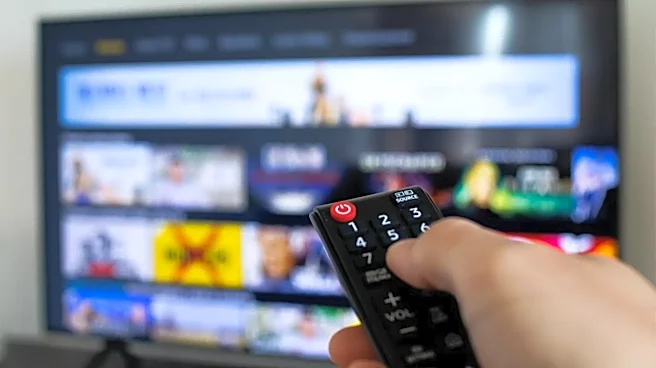
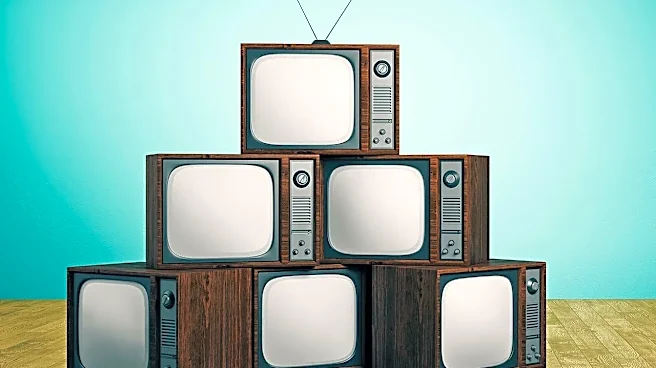
For decades, finding something to watch was a straightforward, if inefficient, process. You had two main tools: the printed TV Guide, a weekly digest that landed in millions of American homes, and the remote control. The term "channel surfing," first
appearing in publications in the mid-1980s, perfectly captured the vibe. It wasn’t about a specific destination; it was about the journey across the dial, catching snippets of shows and commercials. Discovery was serendipitous. You might be looking for a ballgame and stumble upon a classic movie or a bizarre public access show. The on-screen grid guide, a later innovation, digitized the printed listings but kept the same fundamental structure: a linear, channel-by-channel view of what was on right now. It was a shared experience dictated by the broadcaster's schedule.
The Great Unbundling and Its Chaos
Then came the internet and, with it, the streaming revolution. Services like Netflix, Hulu, and Amazon Prime Video didn't just offer a new way to watch; they fundamentally broke the channel-based model. Suddenly, the question wasn't "What's on TV?" but "Which app is my show on?" This fragmentation created a new kind of problem. Instead of a limited, curated set of choices, viewers faced a seemingly infinite library spread across multiple, siloed platforms. This led directly to a phenomenon known as "choice paralysis." Faced with tens of thousands of options, the human brain can get overwhelmed, making the act of choosing feel like a chore. Studies found viewers spending significant time—sometimes 10 to 20 minutes—just scrolling through menus before giving up or defaulting to a familiar re-run.
The Rise of the Universal Smart Guide
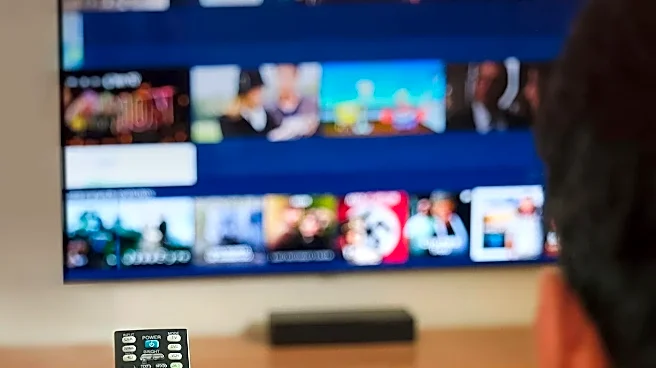
The industry's answer to the chaos it created is the modern "smart guide." By 2026, this is no longer just a simple grid. Platforms like Google TV, Apple TV, and Roku have invested heavily in creating a unified discovery layer that sits on top of all your streaming apps. The goal is to bring everything back into one place. These systems use powerful universal search functions, allowing you to ask your remote, "Show me comedies with Bill Murray," and get results from Netflix, Hulu, and any other service you subscribe to. It solves the problem of not knowing where a movie or show is located, recreating the simplicity of the old model but with a vastly larger library. These guides are the centerpiece of the smart TV experience, focusing on seamless access to apps and content.
2026: The AI-Powered Curator
Today's most advanced smart guides are driven by artificial intelligence. AI is no longer just a marketing buzzword; it's a core feature that fundamentally shapes your viewing experience. These AI systems don't just search; they curate. They learn your preferences from your viewing history and offer personalized recommendations designed to combat decision fatigue. The homescreen of a 2026 smart TV is a dynamic dashboard of suggestions, trending content, and watchlists that sync across all your services. Voice control has also become more conversational, allowing for more natural and complex requests. The system aims to know what you want to watch even before you do, shifting the discovery process from active searching to passive acceptance of smart recommendations.
Discovery vs. Recommendation: What We Lost and Gained
This evolution marks a profound shift from discovery to recommendation. Channel surfing was an act of exploration, often leading to unexpected and shared cultural moments. The algorithmic approach, while incredibly efficient, can create filter bubbles. Recommendation engines are designed to maximize engagement, often by showing you things similar to what you already like. This can lead to a feeling of repetition and a loss of the serendipity that defined the earlier era. We've traded the joy of stumbling upon something new for the comfort of being told what to watch next. While this solves the frustrating problem of choice overload, it also outsources our curiosity to a machine. The freedom from the rigid TV schedule has, in a way, been replaced by the subtle guidance of the algorithm.