






The Gospel of Grit
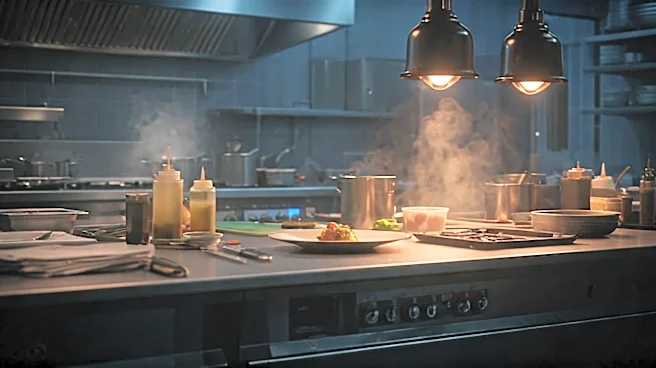
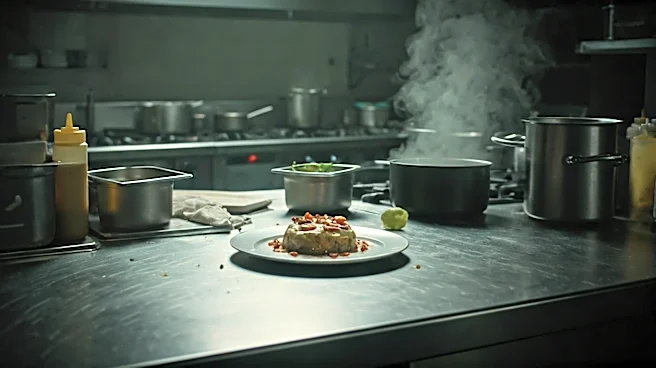
From its opening moments, 'The Bear' distinguished itself with a commitment to authenticity that felt less like television and more like a documentary with a better soundtrack. The claustrophobic kitchen, the constant symphony of printing tickets, the burns,
the spills, and the jargon—it all combined to create an experience that chefs confirmed was unnervingly accurate. This wasn't just “competency porn,” it was anxiety-inducing art. The show’s power comes from making us feel the heat of the stove and the crushing weight of a failing business. We understand Carmy's trauma not just through flashbacks, but through the visceral chaos he navigates daily. This raw depiction of kitchen life—the psychological toll, the financial precarity, the sheer physical exhaustion—is the bedrock of the series. It’s the reason the show resonates so deeply; it feels true in a way few others do. Take that away, and the whole enterprise collapses.
From Line Cook to Legend
But realism alone doesn't make a story. Intertwined with the grit is a powerful dose of TV myth-making. 'The Bear' is, at its core, a story about transformation. It’s about the tortured genius (Carmy) returning home to save his family's legacy, the ambitious prodigy (Sydney) finding her voice, and the abrasive traditionalist (Richie) discovering a new sense of purpose. These are classic narrative arcs that give the chaos meaning. The quest for a Michelin star, the formation of a found family among a crew of misfits, and the pursuit of creative excellence are the romantic, storybook elements that elevate the series beyond a simple slice-of-life drama. The show presents the drive for excellence as a noble, almost heroic pursuit. This transformation, where intelligence and resourcefulness lead to hard-earned success, feels like a modern fairy tale. It's the sugar that helps the medicine of its brutal realism go down, giving viewers a reason to root for these characters through all the pain.
When the Fairytale Takes Over
Herein lies the danger for the final season. The temptation in television is always to provide a clean, triumphant ending. After seasons of struggle, it’s narratively satisfying to see every character win, every problem solved, and every dream realized. But for a show built on the foundation of messy reality, a perfect ending would feel like a betrayal. If Carmy easily conquers his anxiety, the restaurant gets three stars without a hitch, and everyone finds personal and professional bliss, it would undermine the very thing that makes the show special. Some critics have already worried about the show's tendency to lean into melodrama or create overly sentimental moments where every character finds a neat path forward. The myth can't consume the realism. 'The Bear' works because it acknowledges that growth is painful, success is precarious, and life continues to be complicated even after a big win.
A Messy, Meaningful Goodbye
The perfect ending for 'The Bear' isn't a perfect ending at all. It needs to honor the series' central duality. The finale shouldn't be about whether they get the stars, but about whether they've built something sustainable—emotionally and financially. The victory should be in the fact that the restaurant, and the people in it, have become a true system, a supportive (if still chaotic) unit. The show's best moments have always fused levity with tragedy, joy with pain. A successful final course would see the characters in a better place, but not a perfect one. Perhaps Carmy learns to lead without self-destructing, but still struggles with his past. Maybe the restaurant is a success, but the pressure never truly disappears. The beauty of the show is its complexity and its refusal to offer easy answers. The best farewell would be one that feels earned, authentic, and just a little bit messy, leaving us with the bittersweet taste of a meal that was beautiful, flawed, and utterly unforgettable.