


Follow the Sound Engineer’s Lead
The unsung hero of any great festival set is the Front of House (FOH) engineer, the person responsible for mixing what you actually hear. Their command center is that tented structure you see in the middle of the crowd for a reason: it’s the acoustic
sweet spot. From this position, they hear what the majority of the audience hears, allowing them to create a balanced, powerful mix where vocals cut through, bass feels full but not overwhelming, and every instrument has its place. When you stand too close to the stage, you're hearing a chaotic mix of sound directly from the on-stage amplifiers and monitor wedges, which are for the performers, not the audience. The result is often a muddy, bass-heavy experience where different sound frequencies haven't had the distance to properly merge. By positioning yourself near the FOH booth, you’re hearing the show exactly as the artist and their audio team intended.
The Visuals Are Designed for a Wider View
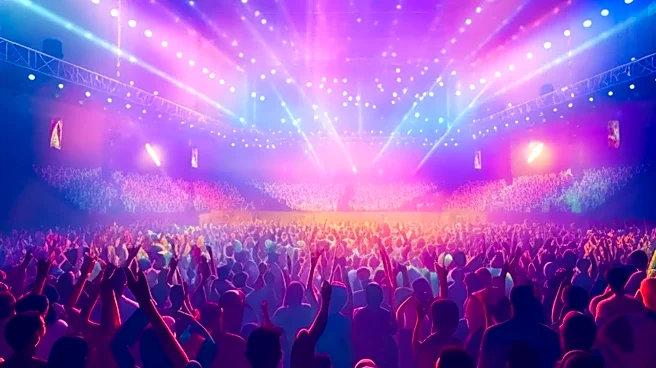
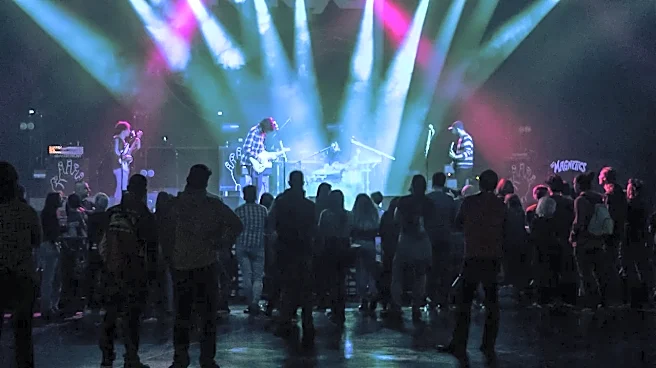
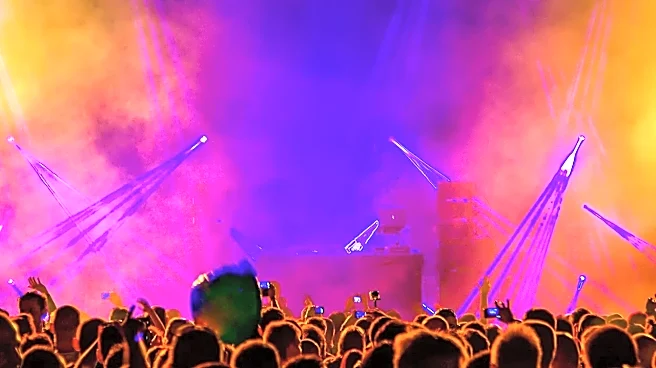
Modern festival performances are more than just music; they are full-blown visual spectacles. Artists invest heavily in massive LED screens, intricate lighting rigs, and pyrotechnics that are designed to create an immersive environment. If you're pressed against the barricade, you can see the sweat on the guitarist's brow, but you completely miss the larger artistic canvas. The lighting director designs the show to be viewed from a distance, where you can appreciate the symmetry, color washes, and grand scale of the production. From the middle of the field, you can see how the lights interact with the music and the crowd, turning the entire audience into part of the show. You trade an extreme close-up for the full, breathtaking picture.
Embrace the Freedom of Open Space
Beyond sound and visuals, there's a simple logistical argument for staying back: comfort and freedom. The front section of a headliner's crowd can be a physically demanding place, marked by pushing, exhaustion, and a feeling of being trapped. Standing farther back provides literal breathing room. It allows for a more relaxed experience where you can dance without bumping into everyone, and you're not committing to an hours-long endurance test. This vantage point offers practical advantages, too. Need a refill, a bathroom break, or want to meet up with friends? From the middle or back, you have easy access to pathways and amenities without fighting a human current. This freedom reduces stress and lets you focus on enjoying the music.
When You Should Still Push to the Front
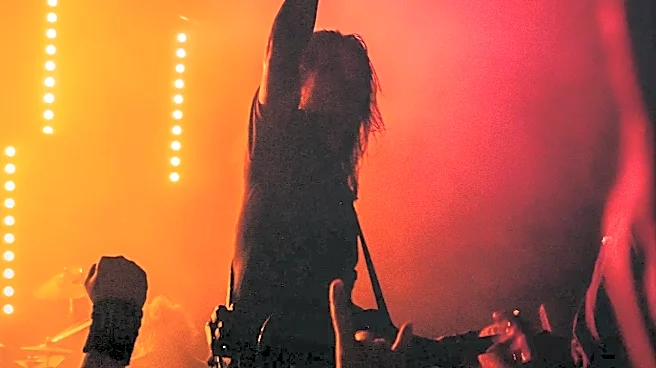
Of course, this isn't a universal rule. There are times when the raw energy of the front row is exactly what a performance demands. For a high-energy punk band, an intimate acoustic set, or your absolute favorite artist where a personal connection trumps all else, being up close is irreplaceable. The goal isn't to always avoid the front, but to be intentional about your choice. If the show is built on spectacle and sonic fidelity—like a major electronic act or a grand-scale pop production—the middle is your best bet. If it's about raw, sweaty, in-your-face energy, then by all means, make your way to the barricade. The key is to match your location to the type of experience you're looking for.