
It's Not Just About the Hits
Let’s get the obvious out of the way. A legendary set requires a baseline of excellence. The band has to be tight, the sound has to be right, and the setlist usually needs a few crowd-pleasing anthems. But at a festival stacked with world-class talent,
technical proficiency is the bare minimum. Every headliner can deliver a polished, professional show. Yet, only a handful of performances each year enter the annals of Bonnaroo lore, spoken about with a reverence usually reserved for religious experiences. The real secret, the ingredient that elevates a show into a shared memory seared into the festival's collective consciousness, isn’t about the performance itself. It’s about the clock. More specifically, it’s about what happens when the clock becomes irrelevant and the sun goes down.
The Liminal Space of Late Night
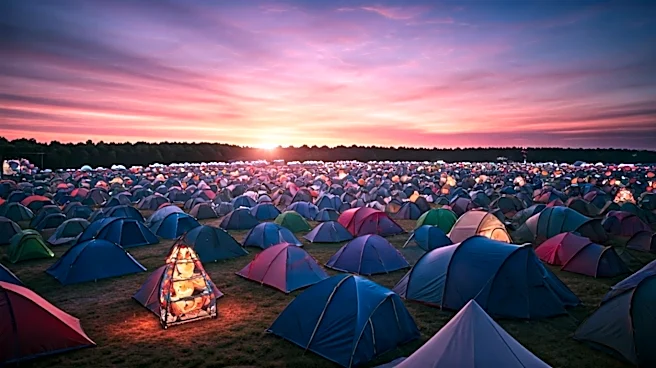
Bonnaroo’s reputation was built on its marathon, all-night atmosphere. While many festivals wind down around midnight, Bonnaroo is just getting started. The true heart of the festival beats between 1 a.m. and sunrise. This is the “overlooked reason.” The late-night and early-morning slots create a liminal space where the normal rules of time, energy, and concert-going etiquette dissolve. The casual fans and the faint of heart have retreated to their tents. Those who remain are the dedicated, the adventurous, the ones running on pure adrenaline and a desire to see where the night takes them. The air cools, the sprawling fields feel more intimate, and a palpable sense of camaraderie takes hold. You’re not just watching a show; you’re surviving an endurance test with thousands of your closest, sweatiest friends. It’s in this shared state of exhaustion and euphoria that an artist can do more than just perform—they can create a world.
Case Study: My Morning Jacket's Marathon
You can’t discuss legendary Bonnaroo sets without mentioning My Morning Jacket’s 2008 masterpiece. Scheduled for a late-night slot, the band took the stage in a torrential downpour. Instead of cutting the set short, they leaned into the chaos. For nearly four hours, they played a 35-song epic that was part rock show, part jam session, and part primal scream therapy for everyone huddled in the rain. It wasn't just the length that made it legendary. It was the context. It was 3 a.m. It was pouring. Frontman Jim James, looking like a shamanic figure with his wild hair plastered to his face, was a conduit for the storm's energy. The set was a defiant act against the elements and exhaustion. Anyone who was there didn't just see a great concert; they *endured* something beautiful and transformative. The band wasn't playing *at* the audience; they were in the mud with them.
The Communal Sunrise Ritual
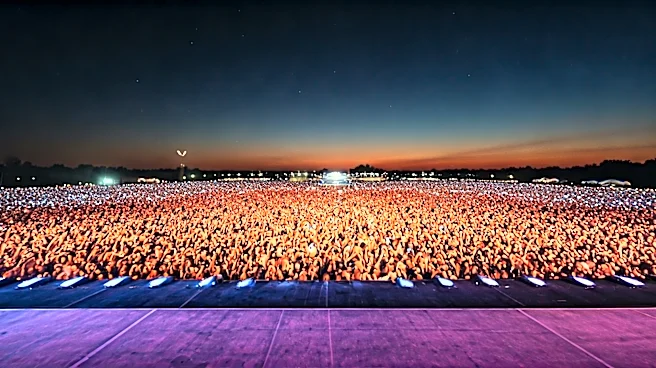
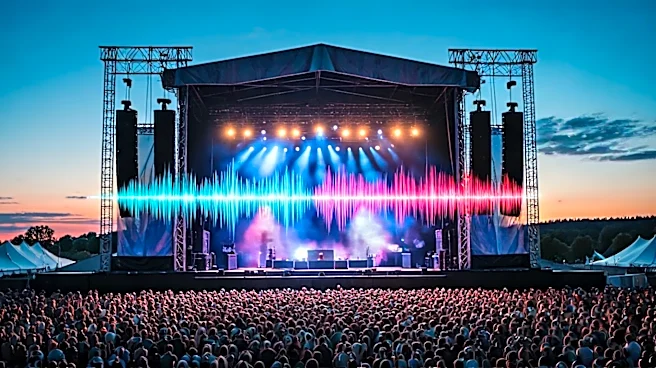
On the other end of the late-night spectrum is the sunrise set, a phenomenon most associated with electronic acts like Pretty Lights. These performances are the final boss of a Bonnaroo night. As the eastern sky begins to glow from gray to pink, the DJ isn't just playing tracks; they are providing the soundtrack to a collective rebirth. Seeing the sun come up with thousands of fellow travelers after a night of dancing is a profoundly communal experience. The music takes on a different meaning. It becomes a reward for persistence, a celebration of having made it through the night. The final drop or the last synth melody hits differently when it’s punctuated by the first rays of morning sun. This isn’t a concert anymore; it’s a ritual. It’s the shared experience of witnessing the dawn, powered by a bass line, that forges an unbreakable memory.