


The Presidential Podium Fantasy
First, let's get the Hollywood version out of the way. You know the scene: TV broadcasts are interrupted for a solemn presidential address from the Oval Office. With a pained expression, the leader of the free world looks into the camera and says, “My
fellow Americans… we are not alone.” This is the disclosure scenario baked into our cultural DNA by decades of science fiction, from *The Day the Earth Stood Still* to *Independence Day*. It’s clean, it’s dramatic, and it has a clear beginning. Proponents of this theory believe that any confirmation of non-human intelligence would be a secret so monumental, so potentially destabilizing, that it could only be delivered from the very top with the full weight of the U.S. government behind it. The goal would be to control the narrative, prevent panic, and begin a new chapter for humanity in a single, televised moment.
The Slow Acclimatization Strategy
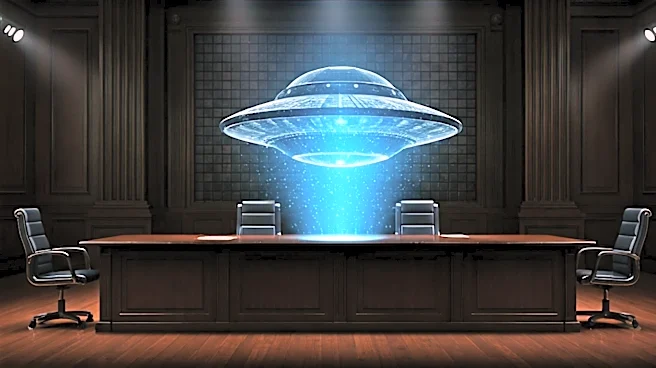
A slightly more sophisticated theory, popular among longtime followers of the UAP (Unidentified Anomalous Phenomena) topic, is that of “controlled acclimatization.” The argument here is that the government, realizing the disruptive potential of full disclosure, has been engaged in a decades-long process of slowly leaking information to get the public used to the idea. Think of it as boiling a frog, but for existential revelations. Every declassified Navy video showing a “tic-tac” UAP, every dry Pentagon report, every congressional hearing with a credible whistleblower like David Grusch—it’s all part of the plan. Each step nudges the Overton window just a little bit further, making the once-unthinkable gradually more palatable. In this view, there is no single “Disclosure Day” because the process is already happening, managed by unseen hands to ensure a soft landing for a hard truth.
Occam's Razor: The Bureaucratic Reveal
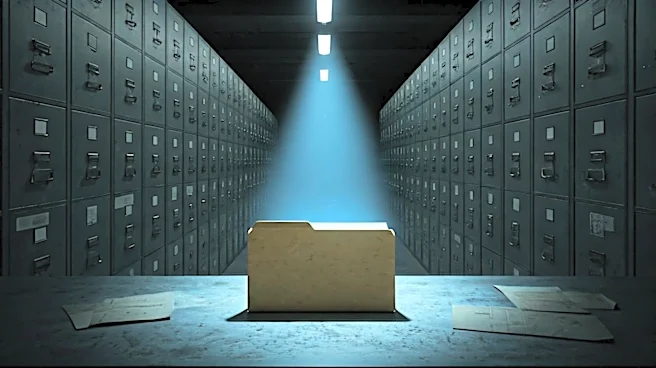
Now, consider the simplest theory—the one that requires no grand conspiracy, no perfectly executed plan, and no Hollywood script. This is the disclosure of bureaucratic inertia. What if the truth doesn’t come out in a bang, but in a trickle of departmental memos, heavily redacted reports, and competing statements from different agencies? This theory posits that “disclosure” won’t be an event, but an untidy and frustrating process. It’s what you get when a complex, compartmentalized government apparatus slowly and reluctantly grapples with a phenomenon it doesn’t fully understand and is terrified of mismanaging. In this scenario, one department (like the Pentagon’s AARO) releases a report with cautious, ambiguous language. Then, a congressional committee pushes for more transparency, leading to further testimony. Meanwhile, scientists publish data that seems to point one way, while defense officials warn about national security implications that point another. There is no single voice, no grand narrative—just the messy, uncoordinated machinery of modern government doing its thing. The truth, if it exists, is buried in footnotes and inter-agency squabbling.
The Unfulfilling Answer We're Likely Getting
This “simple” theory is the most compelling because it aligns perfectly with how we see the government handle nearly every other complex issue, from public health crises to technological regulation. It’s never a clean reveal; it’s a chaotic public debate played out over years. This version of disclosure is deeply unsatisfying. It offers no catharsis, no unifying moment of global awe. Instead, it guarantees a state of permanent ambiguity, where believers can point to certain pieces of evidence, skeptics can highlight contradictions and lack of proof, and the general public remains mostly confused and disengaged. It denies us the clarity we crave. But it also happens to be the scenario that requires the fewest assumptions. It doesn’t need a secret cabal managing a 70-year-old secret; it just needs a bunch of government departments trying to protect their budgets, avoid getting blamed for anything, and release as little information as legally required. If disclosure is happening, this is almost certainly what it looks like.