





The Art of the Phantom Injury
You’ve seen it a thousand times. A player makes a run, feels the slightest touch from a defender, and suddenly collapses as if struck by a sniper in the stands. This is the fine art of simulation, or “diving.” To the uninitiated, it looks like embarrassing
theatrics. To the seasoned fan, it's a calculated risk. A successful dive can earn a game-changing penalty kick or get a rival player sent off. The player writhes, clutches a body part (often switching between shin, ankle, and face for dramatic effect), and peeks at the referee, hoping for a whistle. It’s a cynical, often hilarious mini-drama that plays out in every single match, a physical form of lying that’s as much a part of the game’s strategy as a corner kick.
The Referee Swarm
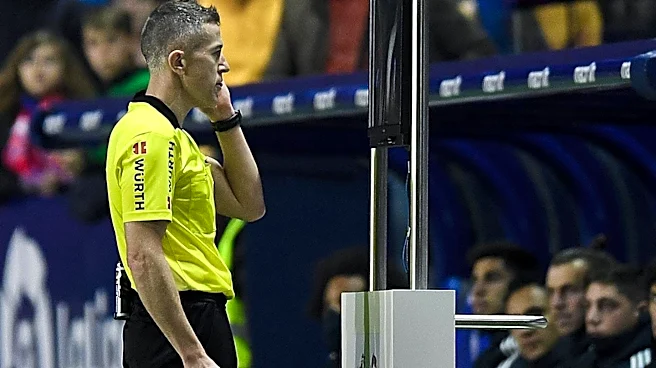
No official in any other sport faces scrutiny quite like a World Cup referee. The moment a controversial foul is called—or not called—a strange migration occurs. Players from the aggrieved team, and sometimes both teams, instinctively abandon their positions and converge on the ref. Arms are thrown up in disbelief, faces contort in protest, and a chorus of arguments in multiple languages fills the air. This isn't about changing the ref’s mind; that almost never happens. It’s about applying pressure for the *next* call. It's a performance for the crowd, for the cameras, and for the official, a ritualistic display of dissent that says, “We’re watching you.” It’s a choreographed appeal to a higher power who, for 90 minutes, wears a whistle.
The Time-Wasting 'Dark Arts'
When a team is protecting a 1-0 lead in the final ten minutes, the game transforms. Suddenly, the pace slows to a crawl, thanks to the mastery of the “dark arts.” A player taking a throw-in will meticulously wipe the ball with his jersey, survey the field like a general, and maybe tie his shoe. A goalkeeper about to take a goal kick will reposition the ball three times before finally launching it. A player going off for a substitution will walk to the far side of the field at the speed of a continental drift. These aren't accidents; they are deliberate, frustrating, and brilliant acts of clock management designed to drain the opponent's hope and the referee's patience. It's maddening when it's against you, and genius when it's for you.
The Elaborate Goal Celebration
A goal is scored, and the stadium erupts. But the show is just beginning. What used to be a simple fist pump or a hug has evolved into a fully choreographed performance. Players have signature moves, from backflips and knee-slides to dances rehearsed with teammates. Think of the South African team's synchronized dance in 2010 or Megan Rapinoe's iconic pose in 2019. These celebrations are more than just expressions of joy; they are branding opportunities, political statements, and a way to etch a moment into history. They are 15-second bursts of personality that tell a story, connect with fans, and often become as memorable as the goal itself.
The 'Take One for the Team' Foul
The other team is on a blistering counter-attack. A star forward is streaking toward your goal with only the keeper to beat. The game is on the line. This is when a different kind of hero emerges: the player willing to commit the tactical foul. With a subtle trip, a cynical shirt-pull, or an outright bodycheck, they stop the attack dead. They know what's coming—a guaranteed yellow card and the fury of the opposition. But they take the punishment without complaint. It’s a selfless, if unsporting, sacrifice. The crowd roars its approval, understanding the brutal logic. This player has traded a minor infraction for the prevention of a major disaster, cementing their place as a pragmatist who understands that sometimes, preventing a goal is as important as scoring one.