






Beyond the Limits of Live-Action
Our visual language for American slavery is narrow and often problematic. It’s a loop of grainy photographs, somber academic interviews, and live-action reenactments that can inadvertently retraumatize or feel emotionally guarded. Dramatizations walk
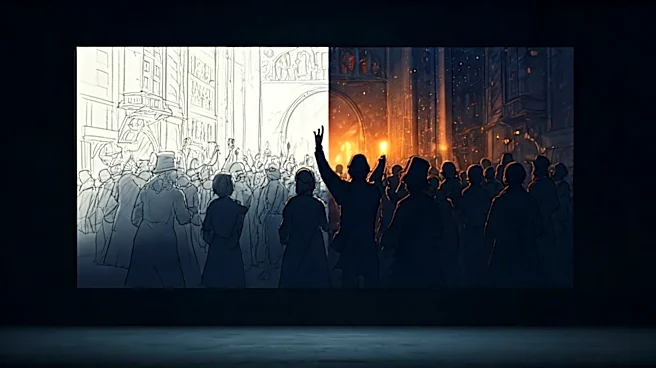
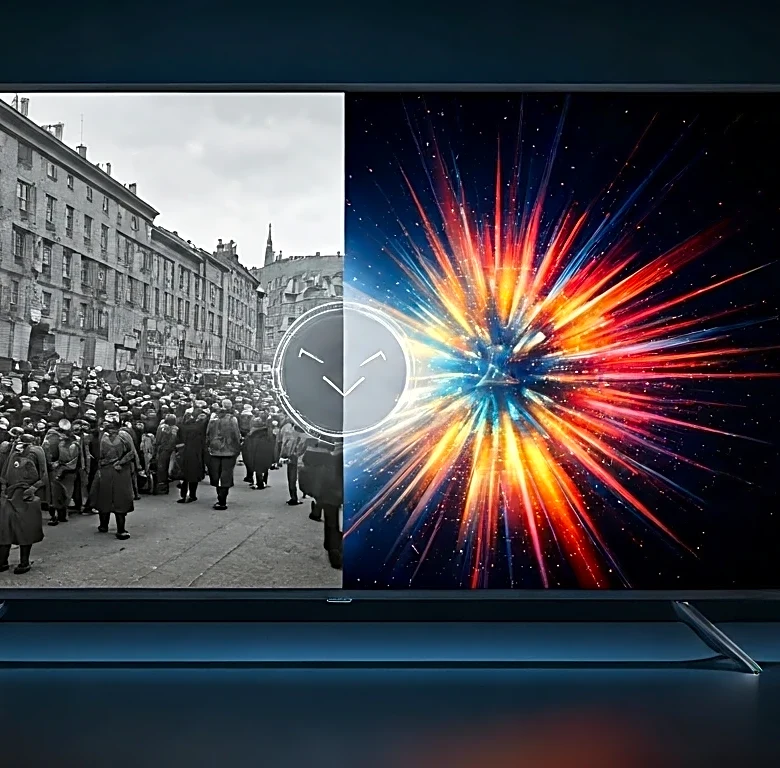
a tightrope, trying to depict unspeakable brutality without being exploitative, a task they rarely master. The result is often a story told from a distance, constrained by the literalism of the camera and the limitations of what can be tastefully shown. Animation, however, has no such constraints. It isn’t bound by the physical world or the conventions of historical drama. Instead of showing yet another depiction of suffering, an animated short could visualize the emotional and psychological landscape of enslavement and liberation. Imagine a story that uses abstract shapes and shifting colors to represent the suffocating weight of bondage, then explodes into vibrant, expressive forms on June 19, 1865. Animation can make the internal external, turning concepts like hope, fear, and the rumor of freedom into tangible, visual forces.
Visualizing the Unseen Narrative
So much of the Black experience during this era was never written down by those who lived it. It survives in spirituals, in folklore, in the unrecorded feelings and whispered stories passed down through generations. How do you film a feeling? How do you put a prayer on screen? Live-action struggles with this; it needs something concrete to point the camera at. Animation excels at this. It can give form to the melody of a spiritual, translating its message of coded defiance and spiritual release into a moving visual tapestry. It can bring to life the folktales that sustained communities, stories of tricksters and triumphs that contain deep truths about resilience. Think of the way projects like *His Dark Materials* visualize a person’s soul as an animal companion. Animation could similarly devise a visual metaphor for the collective spirit of a people on the cusp of freedom, something far more powerful than a simple reenactment of a Union general reading an order.
Creating a New Historical Aesthetic
The aesthetic of Black history on screen is often dictated by the past—sepia tones, archival footage, and costumes that evoke a museum. While important, this can trap the story in a perpetual state of “then,” making it harder for contemporary audiences to feel its electric, present-day relevance. Animation offers a chance to create a completely new aesthetic, one defined by the vision of today’s Black artists. The groundbreaking style of films like *Spider-Man: Into the Spider-Verse* showed a mass audience that animation could be visually audacious, emotionally complex, and stylistically distinct. Apply that same spirit of innovation to Juneteenth. Imagine a story told with the visual language of a Jacob Lawrence painting, the energy of a hip-hop beat, or the texture of a family quilt. By empowering Black animators, studios, and networks, we could commission works that don't just retell history but reclaim it, creating a visual library of liberation that is as dynamic and diverse as the culture it represents.
Opening the Door for Deeper Imagination
Ultimately, Juneteenth is not just about the end of a horrific institution; it is about the beginning of a new, uncertain, and powerful future. It’s a story of delayed information, of dreams deferred and then suddenly realized. These are complex, abstract ideas that require more than just factual retelling. They demand imagination, both from the creator and the viewer. Live-action tells you what happened. Animation can make you *feel* what it was like. It can transport us into the minds of those who heard the news, capturing the dizzying mix of shock, joy, and apprehension. It can portray General Order No. 3 not just as text on a page, but as a shockwave of light and sound rippling across Texas. By leaning into non-literal, metaphorical, and artist-driven storytelling, Juneteenth programming can move beyond educating audiences and begin to truly unlock a deeper, more profound historical empathy.