




The Era of the Apathetic Red Carpet
The modern movie premiere has become a predictable, often forgettable, affair. Stars pose in front of a branded step-and-repeat banner, wearing expensive but anonymous gowns or suits. They answer a few generic questions, and the cycle repeats. It’s an obligation,
a box to be checked on a marketing plan. For studios, the red carpet is often treated as a contractual appearance, not a prime storytelling opportunity. The goal is simply to get a photo of the film’s star in front of the film’s logo. This transactional approach results in a stream of pleasant but ultimately uninspired images that fail to capture public imagination or extend the narrative of the movie they are meant to promote. In a crowded media landscape, this lack of creativity is a costly missed opportunity. The attention economy doesn't reward blending in, and the generic red carpet has become a sea of sameness.
Lesson One: Dress the Story, Not Just the Star
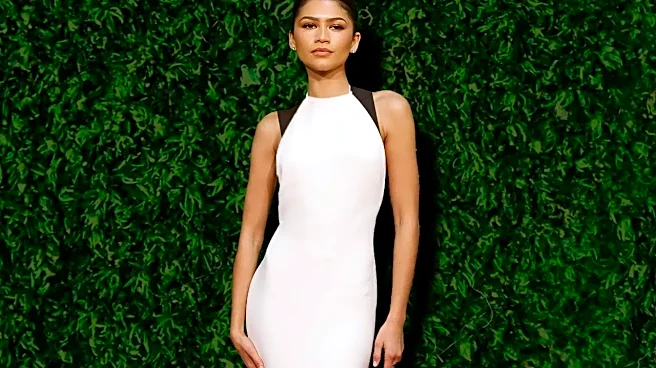
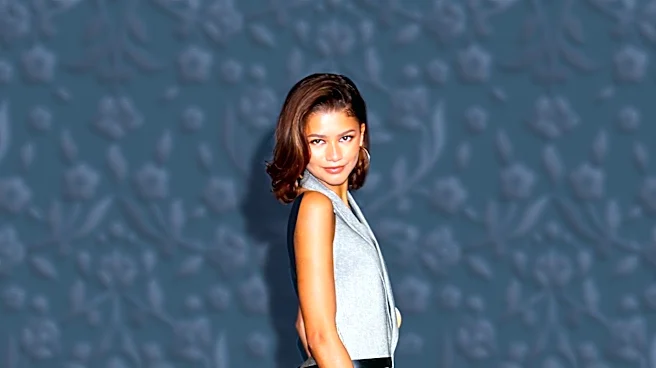
Zendaya and her “image architect” Law Roach have popularized a strategy often called “method dressing”: using fashion to embody the film’s character or world. For the sci-fi epic Dune, she wore futuristic, sculptural gowns that looked like they belonged on the desert planet of Arrakis. For the tennis drama Challengers, her press tour was a masterclass in “tenniscore,” featuring custom Loewe dresses with tennis player silhouettes and even heels with literal tennis balls on them. For Spider-Man: No Way Home, she wore a gown with an intricate spiderweb design. This isn't just about a theme; it’s about making the film’s fantasy tangible. Each outfit becomes a new piece of content that extends the movie’s universe, giving fans and fashion critics a reason to talk about the project long before and after its release. It transforms a simple appearance into an immersive narrative experience.
Lesson Two: Find a True Creative Partner
The Zendaya-Roach partnership is not a typical client-stylist relationship; it’s a long-term creative collaboration built over more than a decade. Roach isn't just picking clothes; he's co-creating a narrative with an artist who knows how to embody the character they build together. This singular, consistent vision allows them to build momentum from one look to the next, creating a cohesive story across an entire press tour. Studios, by contrast, often lack this focused approach. Marketing departments are siloed, and there’s rarely a single creative lead overseeing a star’s entire promotional image. Actors may work with different stylists, leading to a disjointed public-facing narrative. To achieve Zendaya’s level of impact, studios would need to empower a creative lead to think like an “image architect,” ensuring every public-facing moment serves one unified story.
Lesson Three: Engineer the Viral Moment
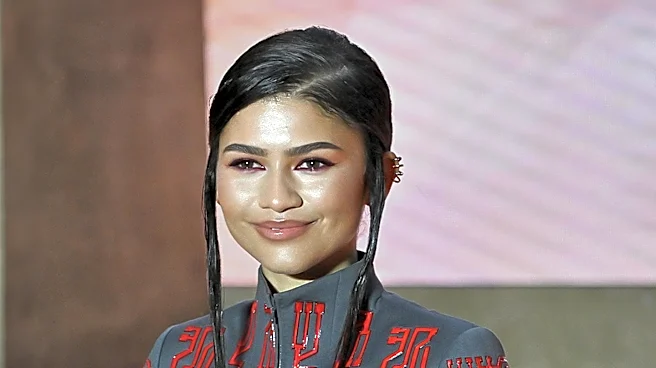
Each of Zendaya’s major looks is engineered for maximum digital impact. Her archival Mugler robot suit for the Dune: Part Two premiere wasn’t just a fashion choice; it was a viral event that dominated social media feeds and generated headlines worldwide. These moments create millions of dollars in earned media value—free advertising that is far more organic and effective than a paid trailer or poster. By turning the red carpet into a spectacle, Team Zendaya ensures that every premiere is a trending topic. For the Challengers tour, Roach even encouraged fans on social media to wear their own tennis-inspired outfits to screenings, creating a participatory cultural moment. This is a level of audience engagement that most studio marketing campaigns can only dream of. It proves that investing in high-concept event fashion isn't an expense; it's a high-return marketing strategy.
Why Studios Keep Missing the Point
If the blueprint is so clear, why aren't studios following it? The answer often lies in a corporate aversion to risk and a lack of creative integration. Studios are machines built for mass production, and their marketing efforts often reflect that factory-line mentality. A truly ambitious red-carpet strategy requires a level of trust in a star and their creative team that cuts against the grain of top-down corporate control. It demands a budget for custom and archival couture that marketing departments may see as an indulgence rather than an investment. Furthermore, it requires a deep understanding of fashion history and contemporary culture, something Roach brings to his work with Zendaya. Until studios see the red carpet as a vital storytelling canvas—as important as a trailer or a poster—they will continue to leave one of their most powerful promotional tools on the table, creating forgettable moments while stars like Zendaya create history.