




The Enduring Romance of the Flat
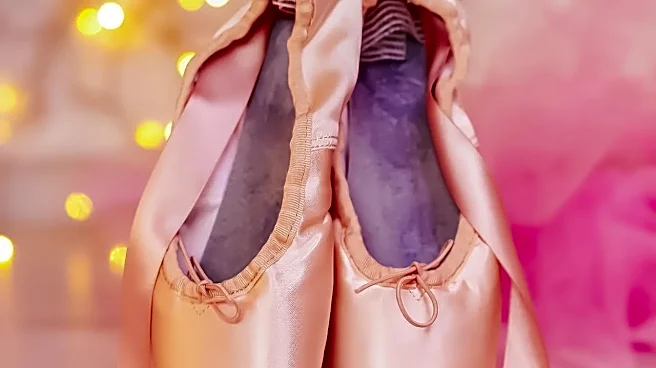
The ballet flat’s place in fashion history is unshakeable. It evokes a certain kind of pared-down elegance, a whisper of ballerina grace for the everyday. When American designer Claire McCardell commissioned Salvatore Capezio to create a version with
a hard sole for street wear in the 1940s, the shoe leaped from the dance studio into the public imagination. It was icon status at first sight. Style legends like Brigitte Bardot and Audrey Hepburn cemented the flat as a staple of sophisticated, gamine charm throughout the 50s and 60s. Paired with cigarette pants or a simple dress, the ballet flat was more than a shoe; it was a statement of quiet confidence. It represented a romantic ideal of femininity—delicate, classic, and poised.
A History of Hidden Pains
But behind that romantic facade was a less-than-comfortable reality. For all their stylistic appeal, traditional ballet flats were notoriously unsupportive. Often built with paper-thin soles, no arch support, and a narrow toe box, they could be punishing on the feet. Walking on hard city pavement in a pair of classic flats often felt like walking barefoot, with every step sending a jolt through your heel. Blisters, cramped toes, and aching arches were the unspoken price of admission. This created a frustrating trade-off for millions of women: endure the discomfort for the sake of the look, or switch to a more utilitarian—and often less elegant—shoe for daily life.
Enter the Technical Upgrade
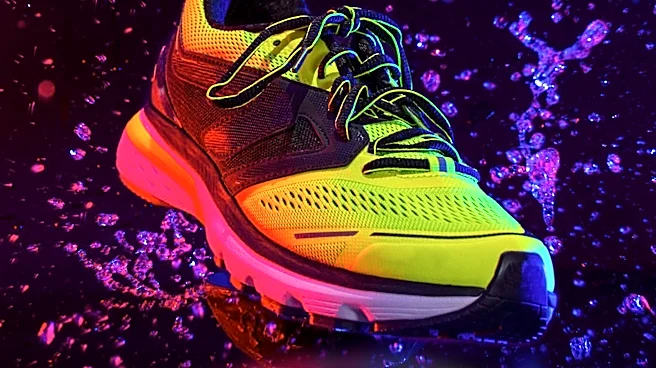
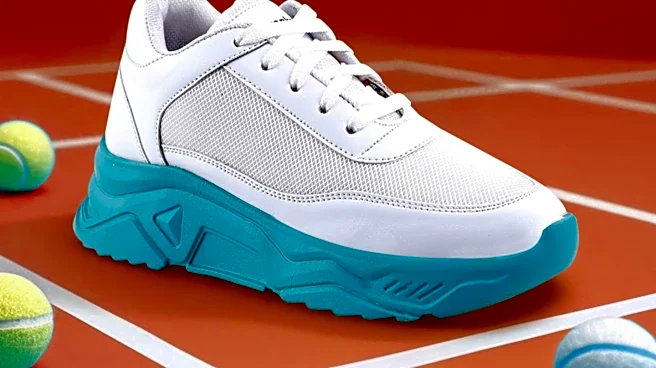
The “technical” ballet flat is the answer to that decades-old problem. This modern iteration keeps the classic, romantic silhouette but completely overhauls the engineering, borrowing heavily from the world of performance athletic wear. The key innovation often starts with the upper material. Instead of stiff leather, many technical flats use flexible, breathable knit fabrics that conform to the shape of your foot, preventing rubbing and blisters. Inside, you’ll find features once reserved for sneakers: cushioned insoles, memory foam padding, and even defined arch support to absorb impact. The flimsy sole is replaced with a more substantial, often rubberized, outsole that provides traction and durability. It’s the ballet flat, reimagined from the ground up for the realities of a modern, active life.
Where Style Meets All-Day Substance
The genius of the technical flat is how seamlessly it merges its two identities. It doesn't sacrifice the aesthetic for the sake of comfort. You still get the chic, low-profile look that pairs effortlessly with everything from tailored trousers to jeans to summer dresses. But now, that style is backed by genuine, walk-all-day utility. These are shoes designed for the woman who commutes on the subway, runs errands on her lunch break, and travels for work or pleasure. The rise of mesh and knit versions, popularized by high-fashion brands like Alaïa and adopted across the market, has made them a go-to for warmer weather, offering the polish of a closed-toe shoe with the breathability of a sandal. They are, in essence, the perfect hybrid footwear for a life that demands versatility.
More Than a Shoe, It’s a Mindset
The surge in popularity for technical flats and other comfort-engineered styles isn’t just a fleeting trend; it’s a reflection of a broader cultural shift. In 2026, fashion is increasingly driven by a demand for functionality and wellness. After years dominated by chunky sneakers and the rise of athleisure, consumers are no longer willing to accept that style must come with pain. We expect our clothes and accessories to work for our lives, not the other way around. The technical ballet flat perfectly captures this mindset. It's an admission that our days are long and varied, and we need footwear that can keep up without compromising the elegance we love. It’s the shoe that finally stops asking women to choose.