



A Mission Born from Crisis
To understand Tribeca’s unique DNA, you have to go back to its origin. The festival wasn’t conceived in a Hollywood boardroom; it was forged in the aftermath of 9/11. In 2002, Robert De Niro, Jane Rosenthal, and Craig Hatkoff launched the event with a clear,
urgent mission: to help revitalize Lower Manhattan’s economy and spirit after the terrorist attacks. This purpose-driven founding gave Tribeca an authenticity that money can’t buy. It wasn’t about creating another industry marketplace. It was about using storytelling as a tool for community recovery. That foundational ethos—valuing community over pure commerce—still permeates the festival, creating a sense of shared purpose that naturally lowers the typical Hollywood artifice.
The De Niro Vibe
Let’s be honest: Robert De Niro’s involvement is a massive part of the equation. He’s not just a celebrity figurehead; his identity is woven into the fabric of the festival. De Niro is the quintessential New York actor—gritty, serious, and allergic to pretense. His quiet, commanding presence sets the tone. When the co-founder is someone who famously values his craft over celebrity fluff, it sends a message to everyone who attends. Stars aren't just there to fulfill a contractual obligation; they're guests in De Niro's neighborhood, participating in an event he personally championed. This creates an environment that feels less like a press-and-publicity gauntlet and more like a gathering of peers hosted by a respected elder statesman of the industry.
More Than Just Movies
While other top-tier festivals remain laser-focused on auteur cinema, Tribeca long ago embraced a broader definition of storytelling. Its programming is a vibrant, eclectic mix of feature films, documentaries, TV series premieres, video games, immersive VR experiences, and live podcast recordings. This diversity does two crucial things. First, it attracts a wider range of creative talent, from gamers and indie TV showrunners to podcasters and established film directors. Second, it shatters the singular focus on Oscar-bait prestige, which is often the source of intense pressure and competition. At Tribeca, a world premiere of a blockbuster can happen down the street from a talk with a video game designer. This cross-pollination makes the festival feel more like a dynamic cultural fair than a rigid, hierarchical film market.
New York City Is the Co-Star
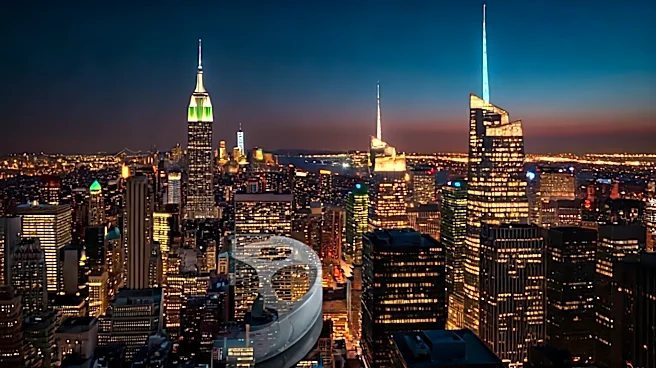
Unlike festivals held in isolated resort towns like Cannes or Park City, where the entire environment is a bubble dedicated to the event, Tribeca takes place in the middle of one of the world's busiest cities. New York City itself is the ultimate co-star, and its energy is impossible to contain or stage-manage. Screenings and events are spread across various downtown venues, forcing attendees to engage with the city. Stars can’t just shuttle between a hotel and a single screening room; they’re out on the streets, grabbing coffee, and hailing cabs. This integration into the urban landscape naturally diffuses the intensity. The red carpet isn't the only thing happening; it's just one small part of the chaotic, beautiful mess of New York City life, which helps everyone—celebrities included—keep things in perspective.
A Relaxed Red Carpet
The result of all these factors is a noticeably more relaxed atmosphere. The red carpets often feel more like lively block parties. The fashion is chic but often less formal than what you’d see at the Oscars or Cannes. Post-screening Q&As feel more candid, with filmmakers and actors often engaging in genuine, unscripted conversations with the audience. Because the festival celebrates creators of all stripes, the environment encourages curiosity and collaboration over competition. Stars mingle with emerging artists, and industry power players attend screenings for indie shorts. It fosters a feeling that everyone is there because they love stories, not just because they’re there to be seen. This authenticity is its own form of currency, and it's something that has become Tribeca's defining, and most enviable, feature.