



The Statement It Makes
Before we get to the 'how,' let’s tackle the 'why.' Wearing a turtleneck under a blazer isn't just an alternative to a shirt and tie; it's a different statement entirely. A collared shirt and tie is the uniform of corporate compliance. A turtleneck is the uniform of the creative,
the intellectual, the architect, the artist. It has an air of 1960s cool, evoking everyone from Steve McQueen in *Bullitt* to civil rights leaders and Parisian philosophers. It frames the face, elongates the neck, and creates a clean, uninterrupted line from your chin to your waist. In a world of open-collared shirts and casual hoodies, this pairing says you’re thoughtful and deliberate, but not stuffy. It’s refined without being rigid—the perfect sweet spot for modern masculinity.
The Foundation: Your Turtleneck
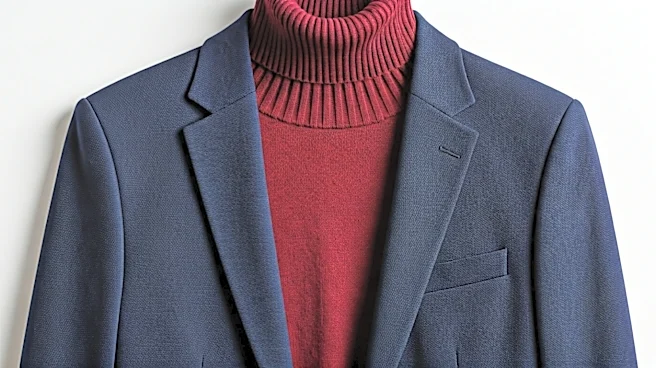
For a beginner, the turtleneck itself is the most important piece of the puzzle. Get this wrong, and the whole look falls apart. Forget the chunky, cable-knit sweaters your grandpa wore by the fire. You need a fine-gauge knit. Think merino wool, cashmere blends, or even a high-quality pima cotton for a lighter feel. These fabrics are thin enough to layer comfortably under a blazer without adding bulk. The fit should be slim but not clingy; it should skim your torso, not strangle it. For your first foray, stick to a versatile, neutral color. Black is the undisputed champion—it’s sleek, slimming, and goes with everything. Charcoal gray, navy, and camel or off-white are also excellent, foolproof starting points.
The Framework: The Right Blazer
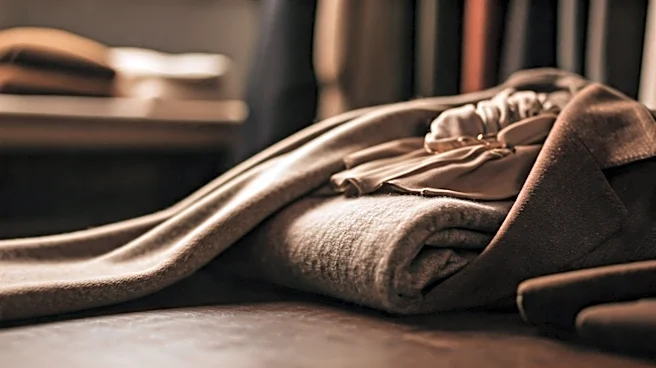
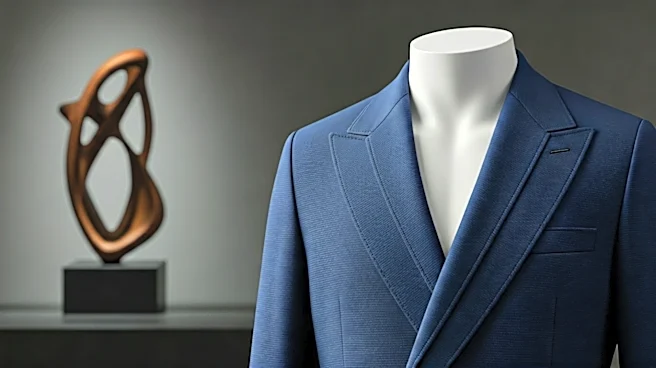
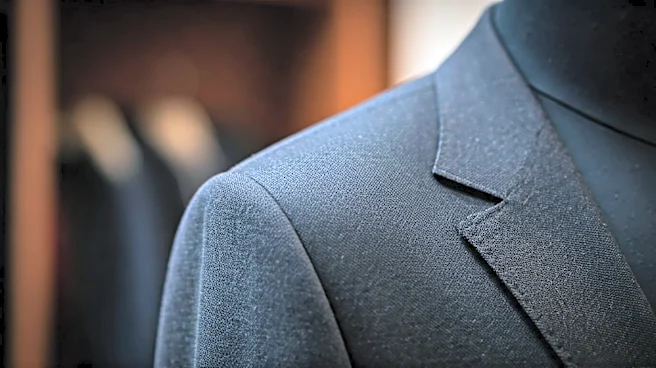
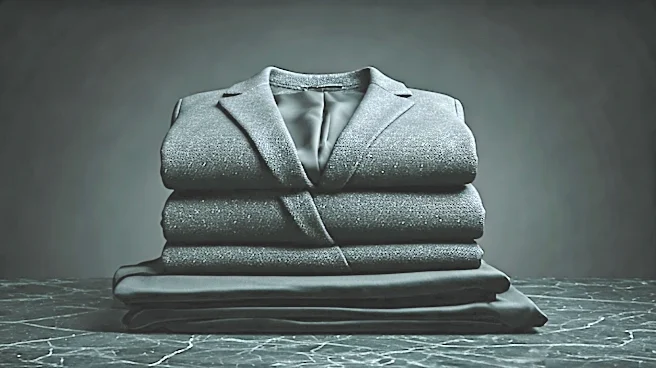
Not all blazers are created equal for this task. The ideal partner for a turtleneck is a blazer with a bit of texture and a slightly softer construction. While you can technically wear one with a sharp-shouldered business suit jacket (and remove the tie), the look truly sings with a sport coat. Think fabrics like tweed, flannel, corduroy, or a hearty wool. These materials complement the knit of the turtleneck. An unstructured blazer—one with little to no padding in the shoulders—is a particularly great choice, as it enhances the relaxed-yet-sharp vibe. The fit is key: you need enough room in the chest and shoulders to accommodate the sweater without the jacket pulling or looking tight. It should still hug your frame, but with a bit more ease than your most formal suit jacket.
Mastering Color and Contrast
Once you have the right pieces, combining them is simple if you follow a few basic rules. The easiest and most sophisticated approach is tonal. This means pairing items in the same color family—a charcoal turtleneck with a medium-gray blazer, or a navy turtleneck with a navy blazer. It’s visually clean and always looks intentional. The next step is a simple, high-contrast look. A black turtleneck under a gray, camel, or plaid blazer is a can’t-miss classic. It’s bold but timeless. Where beginners often stumble is by mixing too many competing colors. Keep the rest of your outfit simple. A well-fitting pair of dark jeans, chinos, or flannel trousers will ground the look. Let the turtleneck and blazer be the main event.
Avoiding Common Mistakes
A few common pitfalls can turn this elegant look into a style disaster. The first is the 'human sausage' effect—wearing a turtleneck that’s too tight or a blazer that’s too slim, creating an uncomfortable, constricted appearance. Always prioritize a comfortable fit. Second, avoid the 'floating head' that can happen with a stark white turtleneck if you have a darker complexion; an off-white or cream is often more flattering. Finally, be mindful of the dreaded 'sweater bulge.' A super chunky knit crammed under a slim-fit blazer looks clumsy and ruins the sleek silhouette you’re aiming for. Stick to fine-gauge knits, and this will never be an issue. It’s about creating a smooth, elegant line, not a lumpy one.