


The Power of Proportion
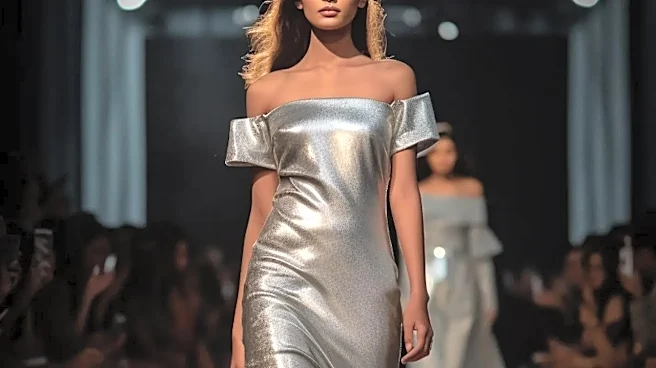
The core reason a longer hem often reads as more luxurious comes down to a key principle of design: proportion. When you lengthen a hemline—say, from above the knee to a midi or ankle-grazing length—you create a longer, more elegant vertical line. This
shift in proportion can make the entire silhouette appear more graceful and intentional. High-end design often relies on creating a harmonious balance between different parts of a garment, and a longer line is a classic way to achieve that. Off-the-rack, budget-friendly dresses are designed for a generic fit, which often means proportions are slightly off for many body types. Altering the hem to a more flattering, elongated length is one of the fastest ways to correct this, giving the dress a custom-fit feel that mimics a more expensive piece.
Fabric and Drape Are Crucial
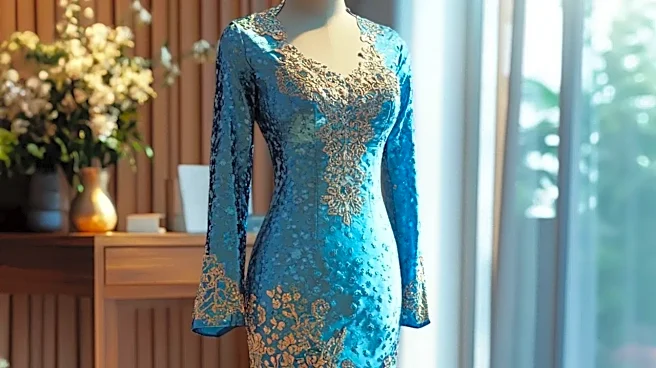
However, a longer hem is not a magic wand. For the trick to work, the fabric must cooperate. A longer hemline on a flimsy, overly synthetic, or stiff material can actually make a dress look cheaper. Expensive-looking fabrics tend to have enough weight to drape and fall gracefully. When a cheap dress is made of a decent quality cotton, linen, or a good viscose blend, lowering the hem allows that fabric to move as it should. But if the material is thin and clings awkwardly, adding length will only highlight its poor quality. Before you decide to alter a dress, feel the fabric. Does it have some weight to it? Does it move naturally? If so, it’s a good candidate for a longer hem. If it feels stiff or has an unnatural shine, no amount of tailoring will fix the core issue.
When a Shorter Hem Wins
While midi and maxi lengths often project sophistication, a longer hem isn't a universal rule. There are many instances where a shorter, crisper hemline is the more stylish choice. Structured A-line mini dresses, for example, rely on a shorter length to maintain their playful, sharp silhouette. Similarly, some modern, architectural designs are intended to hit above the knee. The goal is always to find the length that best honors the dress's original design and your own proportions. The most flattering hemline is often one that hits at a narrow point on your leg—just below the knee, at the slimmest part of your calf, or right at the ankle. A hem that cuts across the widest part of your calf, for instance, can be less flattering regardless of how much the dress cost.
Beyond the Hem: The Total Picture
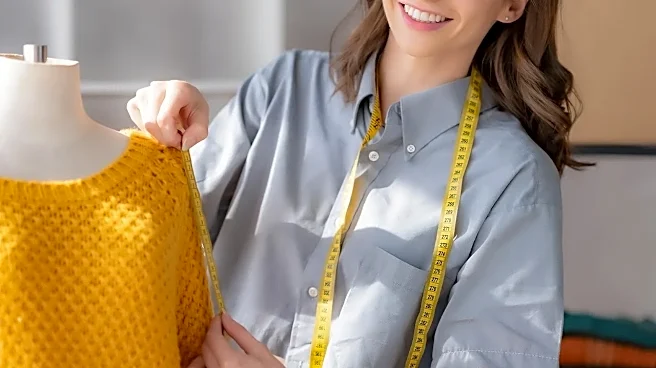
Ultimately, making a cheap dress look more considered is about more than just one element. A perfect hem is a great start, but fit is king. A simple alteration to take in the waist or adjust the shoulder seams can be just as transformative. Accessories also play a huge role. Swapping out cheap plastic buttons for higher-quality metal or horn-effect ones is an easy upgrade. Pairing your tailored dress with simple, classic accessories—like a structured bag, a good quality belt, or minimalist metal jewelry—completes the illusion of luxury. The most polished looks often rely on a few intentional choices working in harmony rather than one single trick.