



The Mothership: A Chicago Institution
First, let's talk about the original. Lollapalooza Chicago isn’t just another stop on the festival circuit; it's a four-day cultural institution that takes over the city’s front yard, Grant Park. Since permanently landing here in 2005, it has become synonymous
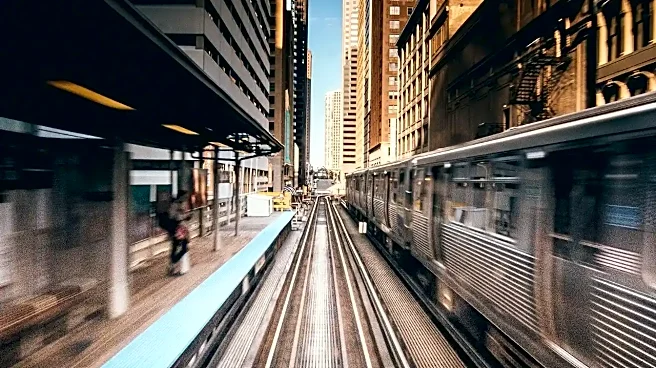
with Chicago summer. Its scale is immense, hosting over 170 bands on eight stages and drawing around 400,000 people. The vibe is uniquely American and urban, with the city's skyscraper-filled skyline serving as an iconic backdrop. This isn't a festival in a remote field; it's a metropolitan takeover. This history and sheer scale give the Chicago edition an authority that the international versions, by design, don't try to replicate. It's the annual pilgrimage, the one that sets the tone for the entire brand globally.
The Lineup: Global Stars vs. Local Heroes
This is the biggest and most important difference. While you'll see a few of the same A-list headliners—think top-tier pop, rock, and hip-hop acts—touring across multiple Lollapaloozas, the undercard tells the real story. Chicago's lineup is built for a predominantly American audience, featuring the buzziest acts in the U.S. market. Conversely, the global editions are masterfully localized. Lollapalooza Brasil, for example, features a huge number of Brazilian artists, reflecting the country's vibrant music scene and providing a platform for national talent alongside international stars. Lollapalooza Berlin is known for weaving in a strong showing of German bands and a heavy dose of European electronic and techno acts that are massive there. So while the name on the ticket is the same, the musical flavor is tailored to the local palate, making each festival a distinct discovery engine for its region.
The Venue: An Urban Park vs. The World's Stages
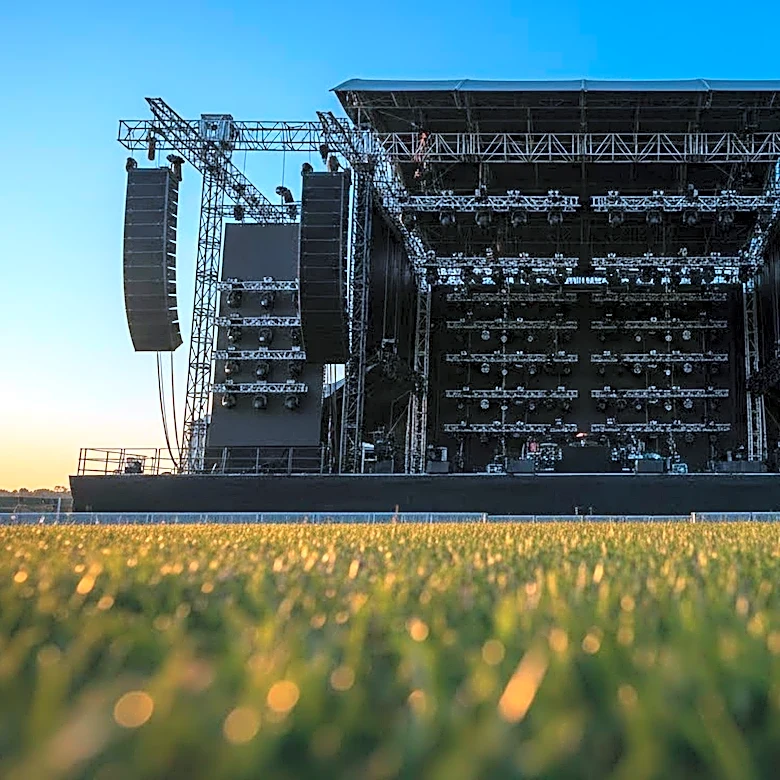
You can't separate Lollapalooza Chicago from its home in Grant Park. The experience of walking from stage to stage with Lake Michigan on one side and Michigan Avenue on the other is core to its identity. It feels like the entire city is part of the festival. The international editions, however, occupy vastly different and equally impressive spaces that give each a unique character. Lollapalooza Berlin has found its home in and around the historic Olympiapark, the site of the 1936 Olympics, lending it a monumental, European feel. In Brazil, the festival unfolds at the Autódromo de Interlagos, a professional Formula 1 racetrack in São Paulo, creating a sprawling, high-energy environment. Lollapalooza Paris takes over the Hippodrome de Longchamp, a famous horse-racing course. These venues aren't just containers for the music; they shape the entire atmosphere, creating experiences that are impossible to replicate elsewhere.
The Experience: Four Days vs. A Weekend Getaway
Chicago's four-day marathon format is a beast. It’s an endurance test of music fandom, a commitment that defines the entire weekend for attendees. Most of the international editions are shorter, typically running for two or three days. This changes the pacing and intensity. A two-day festival like Berlin's is a concentrated blast, while a three-day event in Santiago or Buenos Aires feels more like a traditional festival weekend. The four-day Chicago model allows for a deeper, more sprawling lineup but also demands more from its audience. Furthermore, the cultural programming around the music varies. While Kidzapalooza is a common feature, some global editions have introduced their own unique zones. Lollapalooza Berlin, for instance, features 'Fashionpalooza' and the 'Grüner Kiez' (Green Neighborhood), which focuses on sustainability and social causes, giving the festival a distinctly progressive, European activist vibe.