
The Honest Truth of Daylight
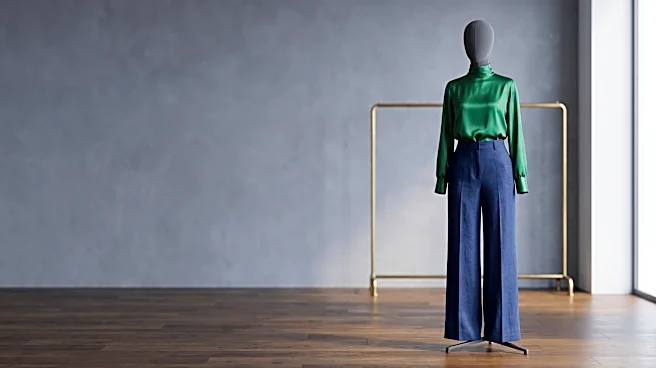
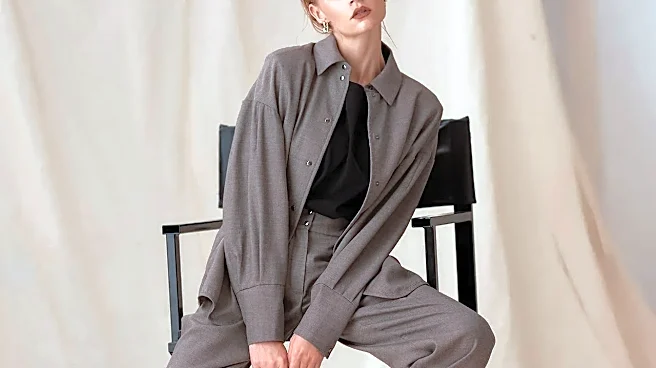
Natural daylight is the great equalizer. It’s full-spectrum, diffuse light, meaning it comes from all directions and provides the most accurate representation of a fabric's true color and texture. In daylight, what you see is largely what you get. A soft
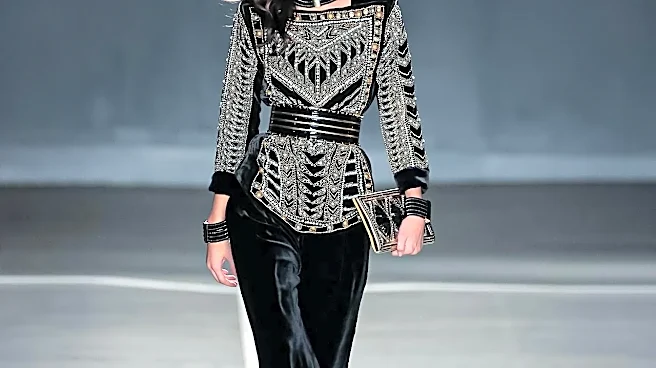
cotton moves gently, a heavy velvet absorbs light to appear rich and deep, and a linen fabric shows off its natural, subtle weave. However, this honesty can be a double-edged sword. Bright, direct sun can sometimes make lighter silks or chiffons appear more sheer than intended. For designers and stylists, daylight is the baseline—the control environment before the chaos of the red carpet begins. It’s the light under which they can see if the shades of a two-piece garment truly match or if they are a 'metameric pair'—colors that look identical in one light but mismatch in another.
Under the Glare of the Flash
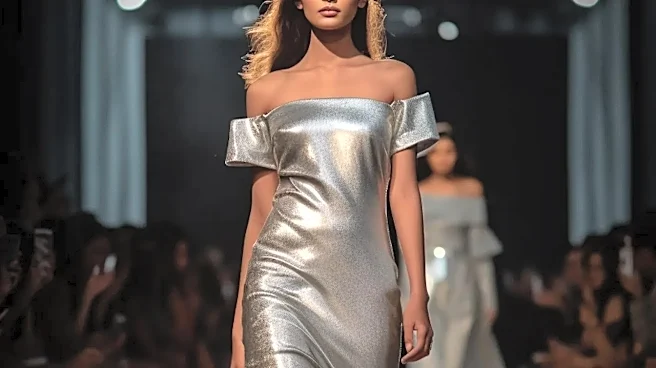
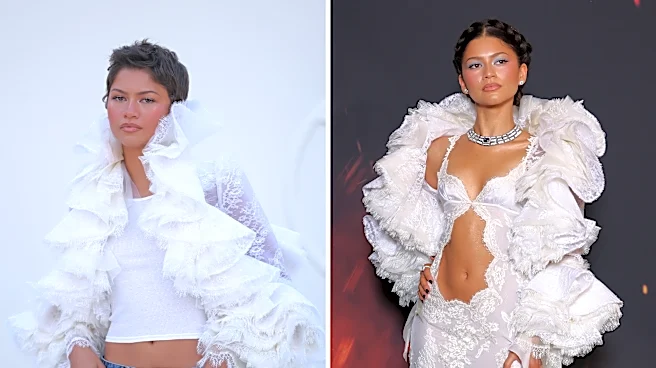
This is where the magic, and the mishaps, happen. A camera flash is a harsh, direct, and instantaneous burst of light. It fundamentally changes how a garment is perceived, often in unflattering ways. A camera isn't a neutral observer; it interprets and flattens reality. The intense, cool-toned light of a flash can wash out delicate colors, make synthetic fabrics look unnervingly shiny, and reveal every secret a garment might be hiding. That seemingly opaque dark dress can become completely see-through under a barrage of flashes, a phenomenon stylists dread. Fabrics with a high sheen, like satin or certain metallics, can create 'blown highlights'—bright white spots in photos where all detail is lost. Conversely, materials with deep, matte textures like velvet or crepe tend to absorb the harsh light, which can make them look flat and strip them of their luxurious depth.
The Drama of the Stage
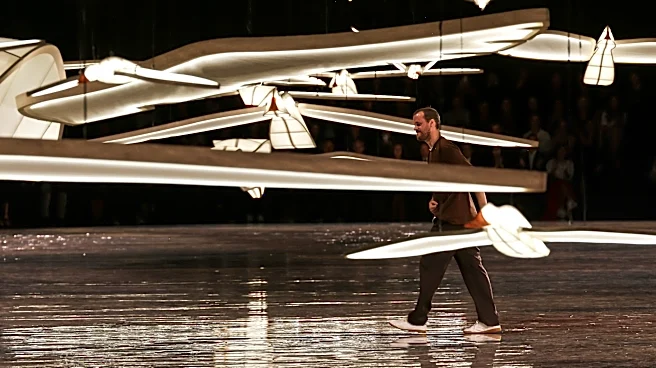
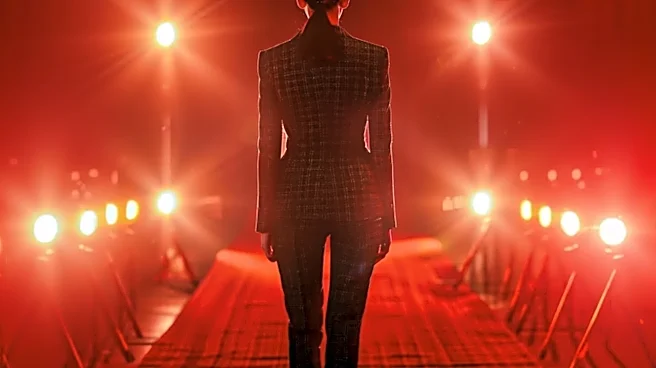
Stage and event lighting isn't about reality; it's about creating a mood. Unlike the unpredictable assault of flash photography, stage lighting is a controlled art form. It uses a combination of spotlights, colored gels, and dynamic effects to tell a story. A dress that appeared royal blue in daylight might look purple under a red-tinted wash or almost black in a dimly lit, atmospheric setting. Designers creating for a performance or a runway show must anticipate this. They select materials and colors knowing they will be viewed under specific, often dramatic, lighting conditions. Sequins and metallics, which can be tricky with flash, are often perfect for the stage, designed to catch spotlights and create a dazzling sparkle. Some designers even embrace metamerism, intentionally choosing fabrics that shift color under different lights for an added layer of theatricality.
The Stylist's Strategic Choice
Navigating these different lighting environments is a key part of a celebrity stylist's job. Their choices are a calculated science. They know that natural fibers like cotton and silk tend to absorb and diffuse light more softly, making them a safer bet for photography than many synthetics. They might perform a 'flash test' with a phone camera before an event to see if a fabric turns unexpectedly sheer or shiny. The goal is to control how the garment will be translated by the camera. For high-stakes events, every detail is considered—from the way a seam might cast an unflattering shadow to whether a busy pattern will become visually distracting on camera. It's a game of anticipation, where the texture of a fabric is just as important as its color, and its reaction to light is the final, crucial test.