




Location, Location, Location
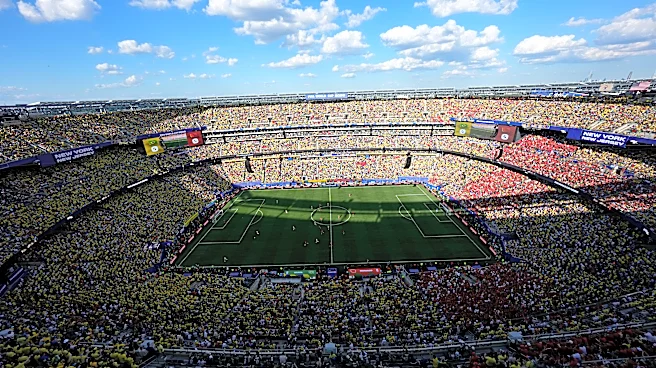
For the first time since 1994, the men’s World Cup is back in America, and this time, the entertainment industry’s own backyard is a primary venue. Los Angeles is one of 11 U.S. host cities, with eight matches taking place at SoFi Stadium in Inglewood,
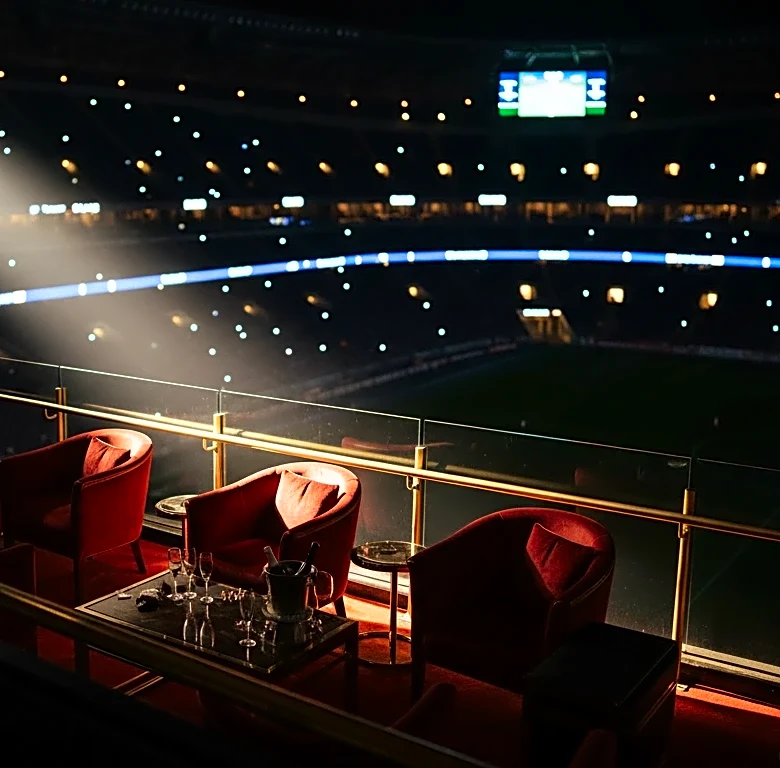
including the U.S. Men's National Team's opening game. The physical proximity is a game-changer. This isn’t a tournament happening in a distant time zone; it’s happening down the road from the studio lots, talent agencies, and celebrity homes of Beverly Hills. The expected economic impact for L.A. County alone is projected to be nearly $600 million. This proximity creates a natural gravitational pull, turning stadium suites into the new front row and making it effortless for A-listers to be part of the spectacle, from Tom Cruise and Brad Pitt to Will Ferrell and Jason Sudeikis.
A Market That's Finally Ready
This isn't your father's soccer market. The narrative of soccer as America's “sport of the future” is officially outdated; the future is now. Driven by a younger, more diverse audience, the sport's popularity has seen explosive growth. Since 2022, the share of Americans who actively follow soccer has jumped significantly, especially among 18-to-34-year-olds. This audience is fluent in the global language of the Premier League, LaLiga, and the Champions League, thanks to a firehose of content available on streaming services like Peacock, ESPN+, and Paramount+. The arrival of Lionel Messi in MLS acted as a powerful accelerant, but the trend was already firmly in place. Hollywood, an industry obsessed with demographics and emerging markets, sees a pre-built, passionate, and youthful audience ready to be engaged.
The Streaming Wars Need a New Weapon
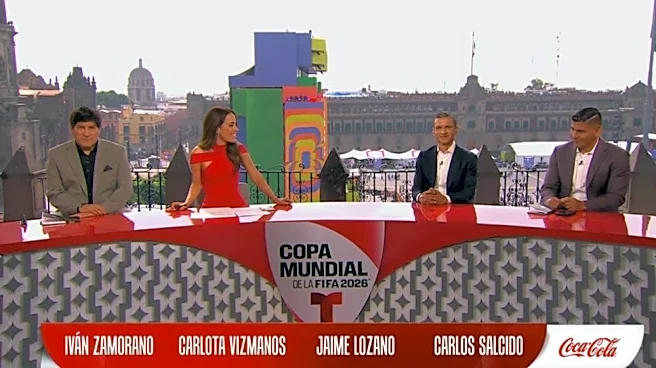
In the cutthroat streaming wars, live sports remain the ultimate trump card—a DVR-proof, appointment-viewing experience that cuts through the noise. The World Cup is the biggest one of all. Media companies have been paying attention. While Fox and Telemundo secured the 2026 rights for what is now seen as a massive bargain, the staggering viewership numbers have set the stage for a bidding frenzy for the 2030 and 2034 tournaments, with analysts predicting bids could start at $1 billion. Companies like Netflix, Apple, and Amazon, which have already dipped their toes into live sports, see the World Cup as a coveted global property. The tournament is more than just games; it’s a firehose of content, with FIFA producing thousands of hours of non-live material perfect for shoulder programming and digital platforms.
More Than a Game, It's Content
Hollywood doesn’t just see 104 soccer matches; it sees 104 potential storylines. The “Welcome to Wrexham” effect, where a docuseries transformed a Welsh football club into a global brand, was a proof of concept. The 2026 World Cup is that idea on a global scale. The tournament is a content machine, generating narratives of underdogs, national heroes, and heartbreaking defeats. This is the raw material for documentaries, talk shows, reality series, and social media content. The celebrity presence itself becomes a storyline, with broadcast networks frequently cutting to famous faces in the crowd, creating viral moments that blend sports and pop culture. FIFA is leaning in, introducing the first-ever World Cup Final halftime show, explicitly modeling it after the Super Bowl's massive entertainment spectacle.
The Full Red Carpet Treatment
Ultimately, the “summer premiere” analogy is about treating the World Cup not just as a sporting contest, but as a month-long cultural festival. Opening ceremonies across the three host nations featured global music superstars like Katy Perry, Shakira, and J Balvin. The VIP suites are packed with a mix of actors, musicians, and tech moguls. Brands, blocked from direct stadium advertising by FIFA's “clean stadium” policy, are using celebrity-filled hospitality suites as a marketing workaround. For Hollywood, this isn't about falling in love with soccer overnight. It's the recognition that the world's biggest cultural event has landed on its doorstep, offering a perfect storm of location, market demand, media hunger, and celebrity appeal. It’s a blockbuster, and everyone wants a piece of the backend.