


Beyond the Spectacle
Twice a year, an exclusive club of fashion houses presents collections in Paris under the strict designation of "haute couture." These are not your typical ready-to-wear clothes. To qualify, brands must create made-to-order garments for private clients
in a dedicated Parisian workshop, or atelier, staffed with at least 15 full-time artisans. While the shows that run from July 6 to 9 this year generate headlines, their primary function isn't just to sell dresses. They are a showcase for the pinnacle of craftsmanship, where designers and artisans push the boundaries of what's possible with fabric, thread, and embellishment. Houses like Chanel, Dior, and Schiaparelli use this platform to experiment with techniques that are simply too costly, complex, or time-consuming for their commercial lines, effectively turning the runway into a living gallery of textile art.
The Anatomy of an Idea
Look closely at the Fall/Winter 2026 collections, and you see the experimentation in every stitch. At Dior, designer Jonathan Anderson is known for exploring the intersection of art and nature, turning to influences like the abstract forms of artist Lynda Benglis to inspire new silhouettes. This translates into complex, three-dimensional shapes and unexpected textures that challenge the tailors and embroiderers. For Chanel's Matthieu Blazy, the focus might be on recalibrating house codes, treating iconic tweed not as a relic but as a canvas for new colorations and softer, more fluid silhouettes that require painstaking work to perfect. These collections reward close inspection, with dense surface work and thoughtful textile manipulation that can involve thousands of hours for a single garment. It's a process of trial, error, and breakthrough that happens almost entirely by hand.
The Keepers of the Craft
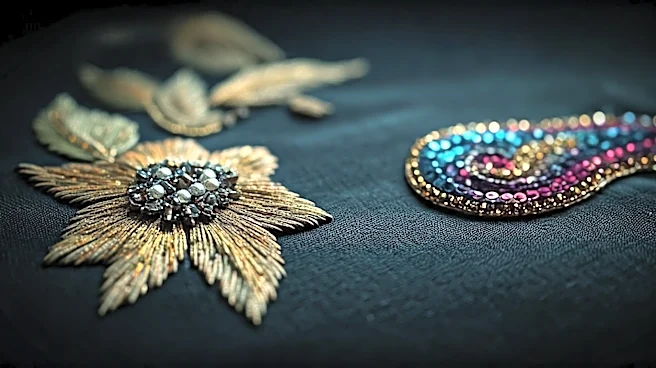
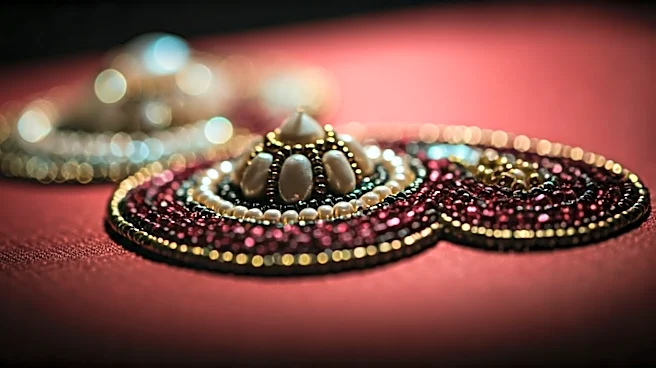
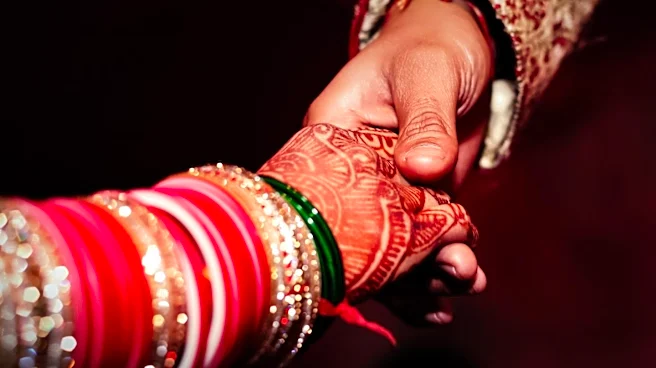
At the heart of this laboratory are the artisans known as petites mains (little hands). These are the seamstresses, embroiderers, feather workers, and pleaters who bring the designers' most ambitious visions to life. Many work in specialized ateliers that have been preserved for their unique skills, some now owned by major houses like Chanel to ensure their survival. Workshops like Lesage for embroidery and Lemarié for feather and flower work are legendary. Their expertise is a form of living history, passed down through generations. During couture week, their skills are on full display, whether it’s in the intricate beadwork on a Schiaparelli gown or the flawless execution of a deconstructed Thom Browne suit, which often exposes the craft of tailoring itself. The debut of Indian couturier Manish Malhotra on the official calendar further highlights this global ecosystem of craft, bringing decades of mastery in intricate embroidery to the Paris stage.
The Trickle-Down Effect
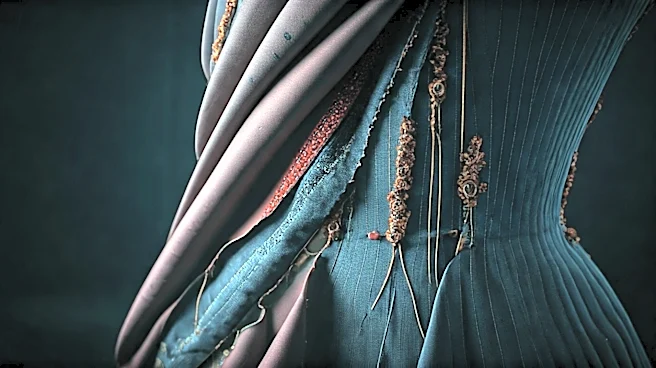
While you may never own a couture garment, the innovations developed in these ateliers have a ripple effect across the entire fashion industry. A new way of pleating fabric, an experimental embroidery technique, or a novel silhouette first tested in couture can inspire a designer's ready-to-wear collection the following season. These ideas are then adapted for broader production, eventually influencing the clothes that appear in mainstream retail. The couture shows act as a creative engine, providing a space for pure, unadulterated design that fuels the commercial side of the business. They set the aesthetic agenda, and the techniques perfected here often become the luxury signatures that justify a brand's prestige and price point. It’s a testing ground where the future of fabric and form is quietly being invented, one meticulous stitch at a time.