





The Midi Dress Dilemma
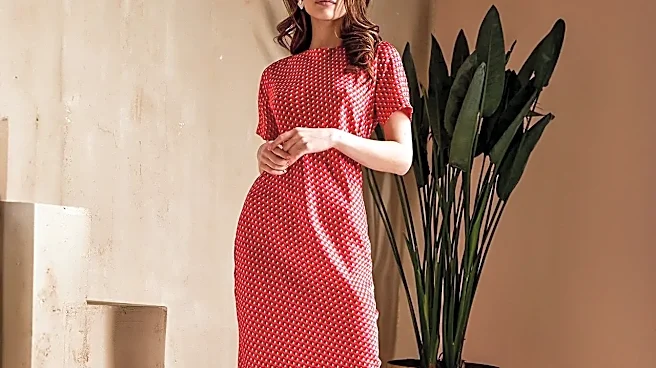
You’ve found the perfect midi dress. The color is right, the fabric feels great, but when you put it on, something feels… off. The hemline, which typically falls somewhere between the knee and the ankle, can be tricky. Because it cuts across the lower
leg, it has the potential to visually shorten your frame or create a silhouette that feels slightly unbalanced or frumpy. The common instinct is to try and fix this by adding more interest near the face—a statement necklace, bold earrings—to draw the eye upward. But more often than not, the real solution is hiding at the very bottom of your outfit.
Visual Weight and Grounding Your Look
The key to mastering the midi dress lies in a simple design concept called “visual weight.” Think of it as the ability of an item to draw attention. A delicate, strappy sandal has very little visual weight, while a chunky-soled boot has a lot. A midi dress, by covering a large portion of your body, has significant visual presence. If you pair it with a barely-there shoe, the outfit can look top-heavy and unanchored, as if it’s floating. A stronger, more substantial shoe, however, provides a solid foundation. It grounds the entire look, creating a sense of balance and intention that makes the silhouette feel complete and polished.
Why Jewelry Isn’t the Answer
While accessories are crucial, they solve a different problem. Adding a necklace or earrings brings focus to your face and neckline, but it doesn't resolve the proportional issue happening at the hem. The midi dress hem acts like a persistent arrow pointing directly at your feet and ankles. If that area feels weak or disconnected from the rest of the outfit, no amount of sparkle up top can fully correct it. Instead of competing for attention, a strong shoe works with the dress, creating a harmonious line from top to bottom.
What Exactly Is a 'Strong' Shoe?
A “strong” shoe isn’t necessarily a heavy or clunky one; it’s a shoe with presence and structure. Think of chunky loafers, which provide a solid base for sweater dresses or structured shirt-dresses. Consider ankle boots, from sleek Chelsea styles to tougher combat boots, which add an edge and anchor the dress, especially in transitional weather. Even a block heel or a substantial platform sneaker offers more visual weight than a delicate flat. The goal is to match the substance of the shoe to the substance of the dress. A heavy knit dress needs a shoe that can hold its own, while a lighter cotton midi might pair perfectly with a solid block-heel sandal.
Putting the Principle into Practice
The next time you’re styling a midi dress, start with the shoes. If the dress is flowy and floral, a pair of ankle boots can provide a compelling contrast. If it’s a structured, professional style, try it with sharp, pointed-toe loafers instead of simple pumps. For a casual knit midi, a clean, substantial sneaker creates a cool, modern balance. Notice how changing the shoe alters the entire feel of the outfit. It’s less about following a strict rule and more about understanding the power of proportion. A stronger foundation can give your favorite dress the support it needs to truly shine.