


So, What Exactly Is This Trend?
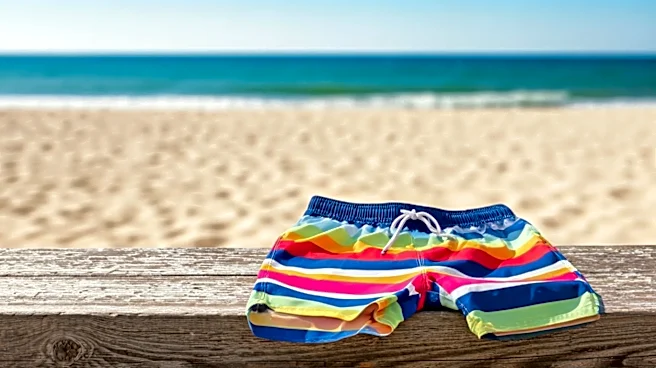
Let’s clear things up: most of the time, these aren’t actual cotton boxer shorts. The trend centers on swim trunks specifically designed to mimic the look and feel of classic woven boxers. Think baggy silhouettes, mid-thigh inseams, elastic waistbands,
and patterns you’d typically find on sleepwear—stripes, plaids, and whimsical prints. Some versions even feature a faux button-fly for maximum authenticity. The goal is a deliberately relaxed, almost undone aesthetic. It’s the anti-Speedo. Where traditional men’s swimwear is often about athletic performance and a tailored fit, this is about nonchalant comfort. It’s a look that says, “I’m here to hang out, not to compete.” The fabric is still quick-drying nylon or polyester, but the cultural signal has been completely rewired from “athlete” to “lounger.”
The Gen Z Stamp of Approval
This trend is being driven almost exclusively by Gen Z and younger Millennials, who have made it a staple of their summer uniform. On platforms like TikTok and Instagram, the look is everywhere, often paired with an oversized t-shirt, a loose linen button-down, and a pair of retro sneakers or slides. For this generation, the boxer-short swim trunk is part of a broader rejection of the rigid, often hyper-masculine styles that dominated the 2000s. Gone are the knee-length, hibiscus-print board shorts of their fathers and older brothers. In their place is a style that borrows heavily from '90s slacker and skater culture, prioritizing a gender-fluid, comfort-first approach to dressing. It’s less about showing off a gym-honed physique and more about projecting an air of effortless cool. Brands like Djerf Avenue and various surf-inspired labels have capitalized on this, selling out of their “pajama-style” shorts as soon as they drop.
A Generational Head-Scratcher
For many Gen Xers and Baby Boomers, the trend is simply baffling. Their comments sections on social media posts are a testament to the divide. “Why does he look like he’s swimming in his underwear?” one might ask. “Is this hygienic?” worries another. For those who grew up with a clear distinction between underwear, loungewear, and swimwear, the intentional blurring of these lines can feel sloppy, inappropriate, or just plain wrong. A swimsuit, in their view, should look like a swimsuit: functional, streamlined, and clearly intended for aquatic activity. The boxer-short look appears accidental, as if the wearer was caught unprepared. This reaction isn’t just about aesthetics; it’s rooted in a different set of social codes around dress. For older generations, getting dressed for an occasion—even a casual one like the beach—involved a degree of presentational effort that this trend gleefully rejects.
More Than Just Fabric and Fit
Ultimately, the boxer-short swim trend isn't just a fleeting fashion moment. It’s a perfect little case study in shifting cultural values, particularly around masculinity. The form-fitting trunks of the '70s and '80s emphasized physicality. The long, bulky board shorts of the '90s and 2000s projected a kind of surf-bro athleticism. This new style, however, projects something else entirely: ease. It’s a softer, less assertive form of masculinity that values personal comfort over public performance. By adopting a style that resembles something private and traditionally worn indoors, young men are subtly challenging the very idea of a “beach body” and the pressure to present a specific, chiseled image to the world. It’s a quiet rebellion stitched into the seams of a striped polyester short. The trend declares that the most attractive quality isn't a six-pack, but a state of being completely unbothered.