

Who Is Ulf the White?
To understand the sudden wave of anxiety, you first have to know who we’re talking about. Ulf the White, played by British actor Tom Bennett, is one of the “dragonseeds.” In the world of Westeros, that’s the term for commoners with rumored Valyrian or Targaryen
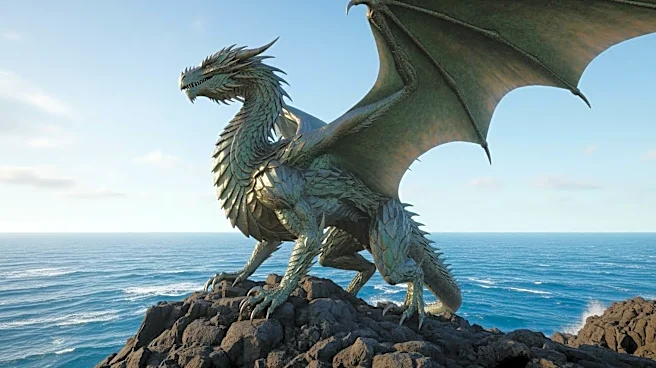
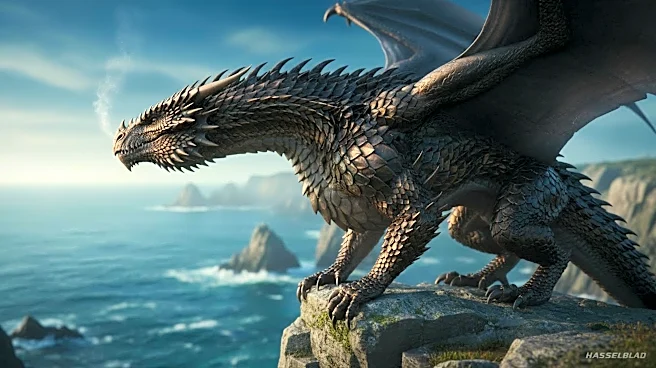
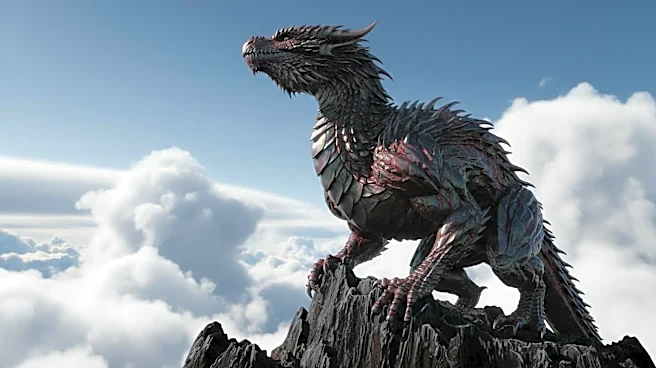
ancestry. Following a call from Queen Rhaenyra, these individuals were invited to try their luck at claiming one of the riderless dragons on Dragonstone to bolster her forces. Many were burned for their efforts, but Ulf, a hard-drinking loudmouth from the streets of King's Landing, successfully bonded with the dragon Silverwing. This catapulted him from a nobody into a knight and a wielder of one of the realm's most powerful weapons, a change in status that proves central to his character's journey.
The Tom Bennett Effect
This is where performance becomes destiny. In the source material, George R.R. Martin’s Fire & Blood, Ulf is a fairly one-dimensional, greedy drunkard. But Tom Bennett, an actor known for scene-stealing comedic roles, infuses Ulf with a specific, unsettling charisma. His Ulf is a man who feels the world owes him something. He carries himself with a smirking, entitled swagger that immediately grates. Every line reading is laced with resentment and opportunism. He’s not just a soldier; he's a man with a colossal chip on his shoulder who has just been handed a nuclear weapon. Showrunner Ryan Condal even compared Ulf on his dragon to the iconic image from Dr. Strangelove of a man gleefully riding a bomb to oblivion, highlighting the terrifying glee of his newfound power. The show has also layered his character with a tragic backstory of abuse, which Bennett uses to fuel Ulf's cynical and self-destructive behavior, making him both more understandable and more volatile.
From the Book: The Two Betrayers
For book readers, the name Ulf the White has always been synonymous with one thing: betrayal. In Fire & Blood, during a crucial conflict known as the First Battle of Tumbleton, Ulf and another dragonseed, Hugh Hammer, turn against Rhaenyra's army. They defect to the Greens—the side of Aegon II—in exchange for promises of lands and titles. Their treachery is a devastating turning point in the war, earning them the infamous moniker, the "Two Betrayers." This event fundamentally shifts the balance of power, demonstrating the immense risk Rhaenyra took by entrusting dragons to men whose loyalty was unproven and whose ambitions were unchecked. It’s one of the most significant and anticipated moments yet to be adapted by the show.
Why the Performance Fuels the Dread
This is why Bennett’s performance is generating so much chatter. It’s one thing to read about a character’s betrayal on a page; it’s another to see it brewing in the resentful eyes of a fully realized character week after week. Bennett has made Ulf so perfectly detestable and visibly greedy that his eventual turn feels not just inevitable, but viscerally personal for the audience. We see his dissatisfaction festering with every dismissive comment from Daemon or perceived slight from Rhaenyra's court. He’s not just a plot device waiting to happen; he’s a walking, talking embodiment of ambition curdling into treason. The performance transforms the intellectual knowledge of a future plot point into a dramatic, emotional certainty. Fans aren’t just waiting for the betrayal; they are actively dreading it because Bennett has made them despise the man who will commit it.