







The Power of Recency Bias
The simplest reason for the autumn release strategy is human nature. Academy voters, like all of us, have a tendency to remember recent events more vividly. A film that makes a splash in October, November, or December is fresh in their minds when nomination
voting begins in the new year. A masterpiece released in March has to fight for nine months to stay in the conversation, while a late-year debut can build and sustain momentum right when it counts. Studios understand this psychological quirk, known as recency bias, and use it to their advantage. They stack their most critically acclaimed dramas and prestige pictures in the fourth quarter, ensuring they are the last and most memorable impression voters have before filling out their ballots.
The Festival Gauntlet as a Launchpad
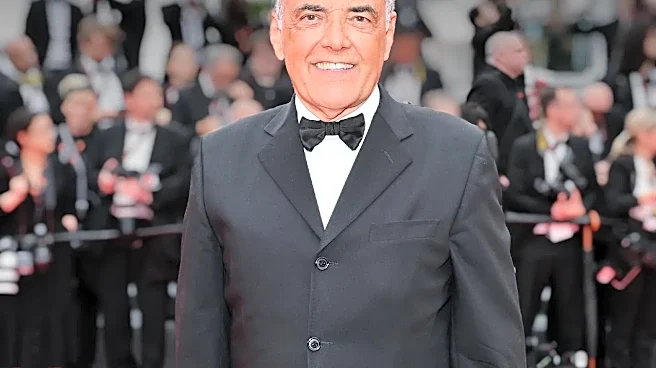
Awards season doesn't just begin in theaters; it kicks off on the red carpets of a few key film festivals. The trifecta of the Venice, Telluride, and Toronto International Film Festivals in late August and September serves as the official starting gun for the Oscar race. It’s here that studios unveil their most ambitious projects to an audience of influential critics and industry insiders. A strong debut can generate immediate "buzz," a powerful but intangible force that shapes the narrative for months. Winning a major prize, like the Golden Lion at Venice or the People's Choice Award at Toronto, has historically been a strong predictor of a Best Picture nomination and even a win. This festival circuit acts as a filter, anointing early frontrunners and giving them a critical seal of approval before they ever reach a public audience.
Capturing the Right Audience and Mood
Summer is for spectacle; fall is for substance. After a season of superhero franchises and action-packed blockbusters, audience appetites shift. The autumn and holiday seasons are when adult moviegoers, the primary demographic for complex dramas and character studies, are more likely to head to theaters. Studios time their releases to match this mood. They save their thoughtful, nuanced, and often more challenging films for a time when they won't have to compete with explosions and CGI for attention. This strategy also aligns with the tastes of many Academy voters, who are often older and part of the film industry themselves. By releasing these films when their target audience is most receptive, studios maximize both their box office potential and their cultural impact.
The Art of the Campaign
Winning an Oscar isn't just about being the best film; it's about running the best campaign. A fall release provides the perfect window for a studio's multi-million dollar "For Your Consideration" push. This involves everything from targeted ads in trade publications and private screenings for guilds to Q&A sessions with actors and directors. A campaign's goal is twofold: ensure voters see the film, and then constantly remind them of its brilliance. Launching in the fall allows a studio to build a steady drumbeat of acclaim, from festival premieres to critics' awards in December, all culminating as Oscar voting begins. Releasing a film too early means having to spend more money over a longer period to keep it from being forgotten; releasing it in the fall concentrates that effort for maximum impact at the perfect time.