


The Single-Shade Myth
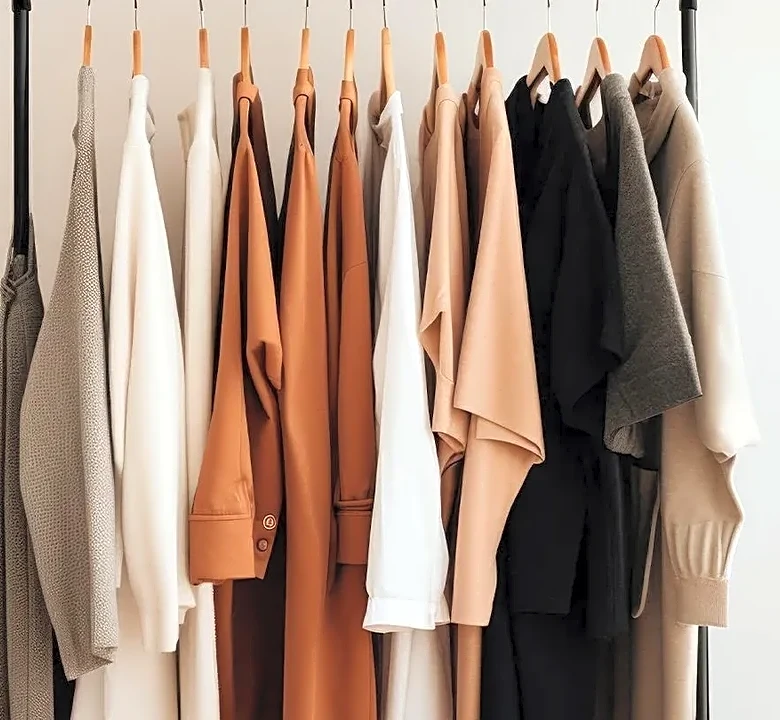
The idea of “nude” is to create a seamless, second-skin effect. Garments like mesh panels, underpinnings, and hosiery are designed to blend in, giving the illusion of bareness. But when the color only matches one type of skin—typically lighter, Caucasian
tones—it fails spectacularly for everyone else. Instead of blending, it stands out, looking ashy or creating an awkward contrast. This problem dates back to the early 20th century, when “flesh tone” became a standard for undergarments, hosiery, and even bandages. The term itself, rooted in a limited worldview, effectively made whiteness the default and rendered consumers of color invisible in entire product categories. For decades, finding a true “nude” meant settling for something that didn't match or wasn't available at all.
A Concept, Not a Color
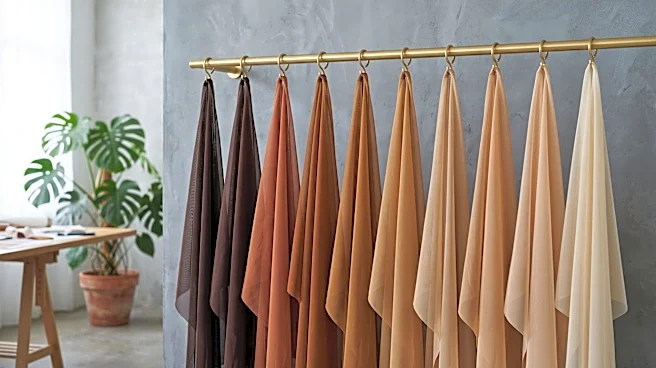
The turning point came as designers and consumers began to challenge the status quo, arguing that nude is not a single color, but a concept. Visionary designer Christian Louboutin was among the first in luxury fashion to put this idea into practice. In 2013, he launched his Nudes collection, a range of his iconic footwear in several skin-tone shades. He was inspired to act after a team member pointed out that the standard beige “nude” was not the color of her skin. This simple but powerful observation sparked an expansion that has grown to include more shades and styles, cementing the philosophy that a nude shoe should be a seamless extension of the leg for everyone.
The 'Fenty Effect' and a New Industry Standard
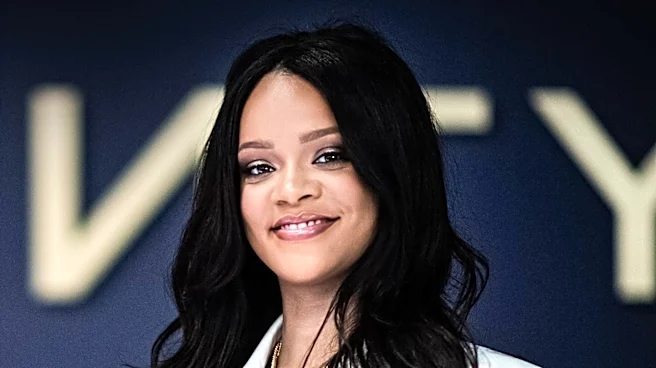
While the luxury market began to shift, the revolution truly went mainstream with the launch of Fenty Beauty in 2017. Rihanna’s cosmetics line debuted with an unprecedented 40 shades of foundation, a direct response to the beauty industry's long history of ignoring diverse skin tones. The launch was a massive commercial success and triggered what became known as the “Fenty Effect”—a ripple effect that pressured other brands across beauty and fashion to expand their own shade ranges. Companies could no longer ignore the demand. Brands like Nubian Skin, founded by Ade Hassan, had already been championing the cause with lingerie and hosiery for women of color. Now, the movement gained unstoppable momentum, with more labels launching inclusive nude collections in everything from shapewear to activewear.
Why True Nudes Matter
The push for a broader spectrum of nudes is about more than just aesthetics; it's about representation, dignity, and the confidence that comes from feeling seen. When a person can find a mesh panel that truly disappears against their skin or a bra that doesn't show under a light-colored shirt, it validates their presence in the world of fashion. It's a fundamental aspect of inclusive design that acknowledges the reality of a diverse global population. This shift proves that when brands listen to their customers and create products that serve real needs, they don't just increase sales—they foster loyalty and drive the entire industry toward a more equitable future. The message is clear: the right nude should be defined by the person wearing it, not by an outdated industry standard.