



The Tactical Blueprint: Absolute Defensive Unity
The foundation of nearly every great World Cup upset isn't dazzling offense; it's suffocating, disciplined, and utterly frustrating defense. These teams don’t play to entertain the neutral fan; they play to win. The strategy is often a “low block,” where
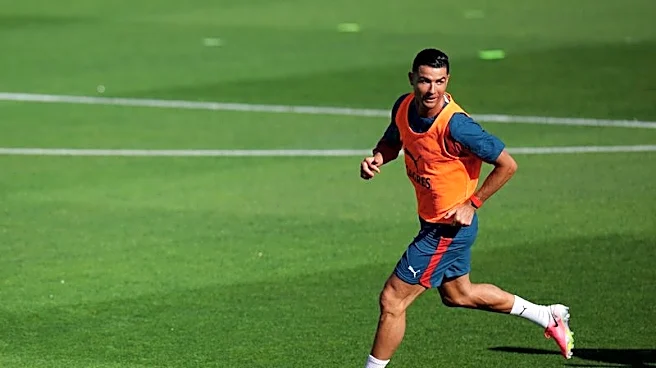
the defensive and midfield lines sit deep in their own half, shrinking the space between players. This creates a compact, 8-to-10-man wall of bodies that big teams, accustomed to finding pockets of space, simply can’t penetrate. Morocco’s historic run to the 2022 semifinals was a masterclass in this. Against Spain, Portugal, and France, they conceded possession willingly, sometimes having the ball for less than 30% of the match. But they weren't passive. They were an organized swarm, closing down passing lanes, forcing superstars like Cristiano Ronaldo and Kylian Mbappé into low-probability shots from distance. By making themselves impossible to break down, they invite frustration, baiting the favorite into making mistakes.
The Chemistry of Defiance
Talent wins games, but belief wins tournaments—or at least pulls off a giant-killing. Underrated teams often possess a psychological edge that money can't buy: an “us-against-the-world” mentality. When the global press writes you off, it can galvanize a locker room. These squads are not collections of individual stars from different super-clubs; they are often a tight-knit unit, many of whom may play in less glamorous leagues or even together at the same club. This shared experience builds a powerful sense of collective identity and purpose.
A great manager is crucial here. They act as the chief psychologist, convincing their players that the game plan will work and that the pressure is entirely on the other team. Look at Senegal in 2002, who beat their former colonizers and reigning champions, France. The Senegalese squad was filled with players from the French leagues, creating a unique, deeply personal motivation that a team of detached superstars can rarely replicate. They weren't just playing a soccer match; they were making a statement.
Weaponizing the Counter-Attack
Sitting back and defending only gets you to a 0-0 draw. To become a true nightmare, you have to score. This is where the counter-attack comes in. After soaking up pressure for minutes on end, the moment the underdog wins the ball back, they explode forward with speed and precision. While the favorite's defenders are pushed high up the field, a few well-drilled passes can release a speedy winger or striker into acres of open space.
This isn’t just hopeful, long-ball football. It’s a calculated, rehearsed tactic. Teams practice these transitions relentlessly. Costa Rica in 2014, emerging from a “Group of Death” that included three former world champions (Italy, England, and Uruguay), perfected this. They would defend with their lives for 15 minutes, and then, with one turnover, players like Joel Campbell would spring forward. It only takes one or two of these counter-attacks to find the back of the net, completely changing the dynamic of the match and forcing the favorite to take even more risks.
Exploiting the Burden of Expectation
Finally, the underrated team’s greatest weapon is the favorite’s own mind. For teams like Brazil, Germany, or Argentina, anything less than a deep tournament run is a national crisis. The pressure from fans, media, and history is immense. When the game is still 0-0 after an hour, you can see the panic start to set in on the stars' faces. Passes get sloppier. Shots become more desperate. They abandon the patient game plan that made them favorites in the first place.
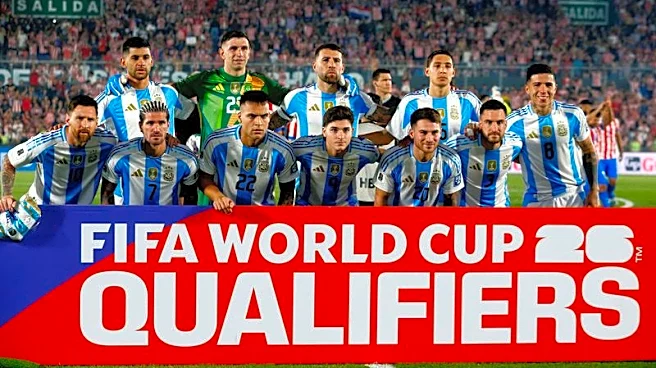
Saudi Arabia’s shocking victory over Argentina in 2022 is the textbook example. After Lionel Messi scored an early penalty, everyone assumed the floodgates would open. Instead, Saudi Arabia stayed compact, executed a daringly high defensive line to catch Argentina offside, and struck twice in quick succession. Suddenly, one of the most talented teams on the planet looked rattled and out of ideas. The nightmare isn't just about being beaten; it's about being mentally dismantled on the world's biggest stage.