


An Outfit as a Form of Respect
Let’s start with a truth often overlooked in the rush to casual-everything: dressing with intention is a form of communication. When you arrive at a family member’s home for a holiday, your attire speaks before you do. Showing up in thoughtfully chosen
clothing isn't about vanity; it's a non-verbal thank you to your host. It acknowledges the hours spent planning, shopping, and cooking. It says, “This occasion is special to me, and you are worth the effort.” In a world where sweatpants are the default, choosing to dress up, even slightly, elevates the gathering and honors the tradition and the people you share it with. It’s a simple gesture that contributes to the visual and emotional texture of the day, making the event feel distinct from any other meal.
Redefining 'Designer' for Yourself
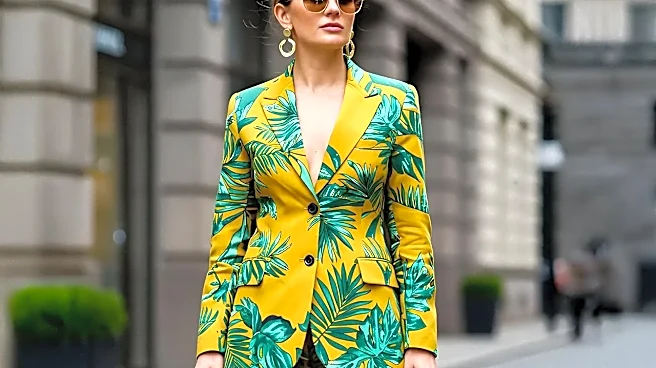
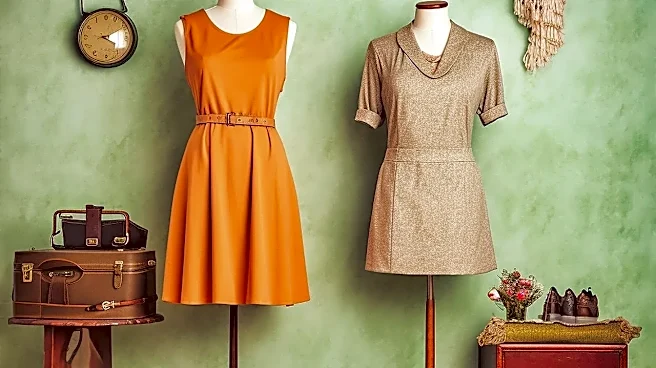
The word “designer” in the context of Thanksgiving isn't about flaunting expensive labels. It’s about being the designer of your own experience. Think of your outfit as personally curated, not purchased off a runway. It might be a vintage blazer paired with comfortable trousers, a favorite dress that always makes you feel confident, or a quality sweater in a rich, autumnal color. The “design” is in the intention behind it. While fashion publications often focus on what’s new and trendy—like chunky knits or wide-leg jeans—personal holiday style is about what feels authentic and celebratory to you. This approach shifts the focus from consumption to self-expression, empowering you to wear something that makes the day feel more significant and joyful.
Clothing as a Chapter in Your Family’s Story
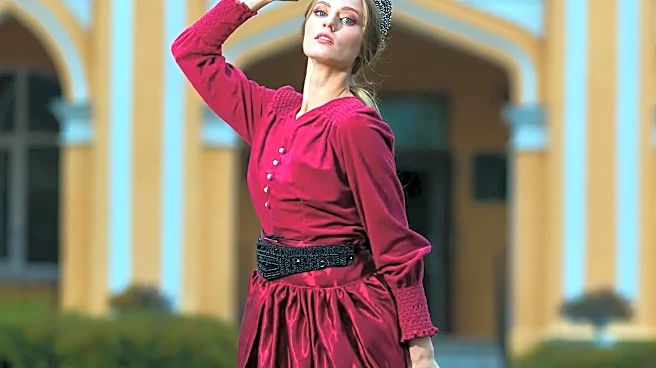
The fashion press operates on a cycle of newness. But family life is built on repetition and tradition. The outfits we wear for these annual gatherings become part of our personal and collective memory. That velvet dress might become the “Thanksgiving dress,” making an appearance in family photos for years to come. A child’s special holiday outfit becomes a marker of time, lovingly packed away and remembered. These pieces of clothing are imbued with meaning that transcends trends. They are artifacts of our lives, woven into the fabric of our family stories. This sentimental value is something a trend report can never capture. The act of choosing these outfits is a way of creating and honoring our own domestic history, one holiday at a time.
The Psychological Boost of Dressing Up
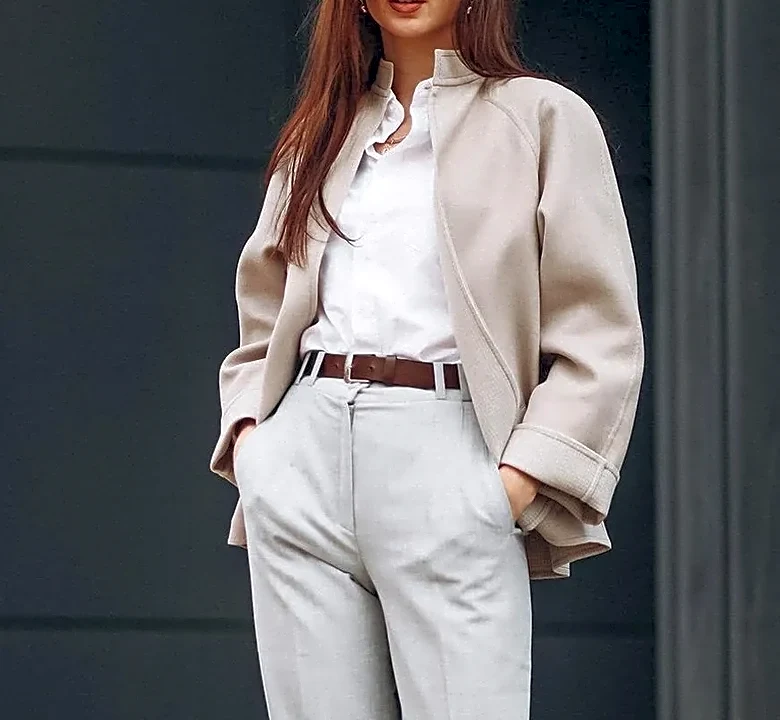
Beyond social cues, what you wear has a tangible effect on how you feel—a concept sometimes called “enclothed cognition.” Choosing an outfit you love can boost confidence and elevate your mood. On a day that can sometimes be stressful, feeling put-together can provide a sense of control and empowerment. It’s a form of self-care that prepares you to engage with family, participate in conversations, and fully inhabit the festive spirit. While comfort is important, the confidence that comes from an intentional outfit provides a different kind of ease—an internal one. It’s not about restrictive clothing; it’s about choosing fabrics and silhouettes that feel both special and comfortable, like a knit dress or a sharp blazer over a soft turtleneck. This allows you to feel like the best version of yourself, ready to make memories.