



The Unofficial Music Festival
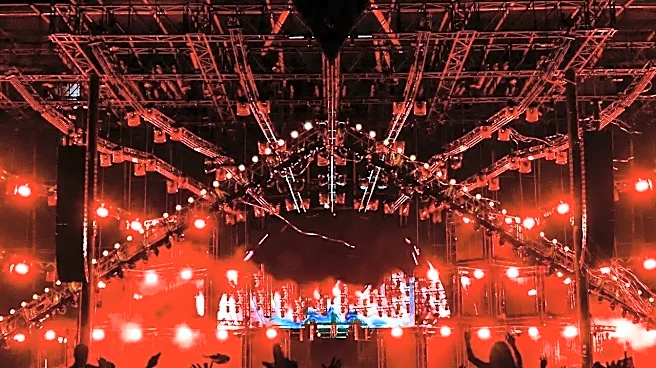
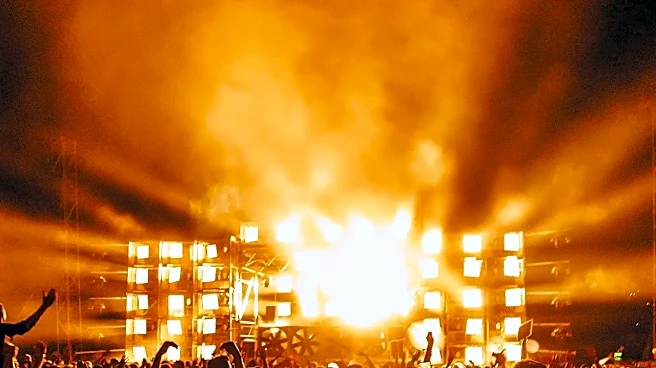
For many, Burning Man is primarily a music destination. This isn't an exaggeration; some of the world's most famous DJs perform here, often for free. The sound camps are the epicenters of this world. These are not small stages; they are monumental structures
with sound systems that can cost hundreds of thousands of dollars. Camps like Distrikt, despite recent financial struggles, became legendary for their daytime dance parties that draw thousands of people. At night, massive art cars equipped with elaborate sound and lighting systems roam the desert, creating mobile dance floors that go until sunrise. If your goal is to dance for a week straight to a world-class lineup, you can exist almost entirely within this version of the city, hopping from one pulsating stage to the next.
The Sprawling, Interactive Art Gallery
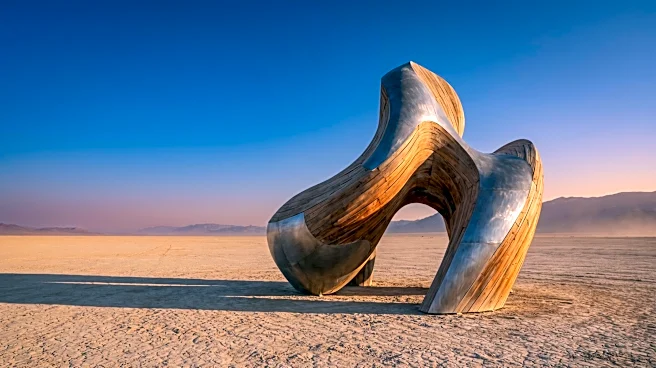
Another Burning Man exists for the art lovers and creators. The open desert, known as the playa, becomes one of the largest outdoor art galleries on the planet. This experience is defined by discovery. You might stumble upon towering, surreal sculptures, intricate temples built for reflection and remembrance, or whimsical, interactive installations. A key part of this world are the "mutant vehicles," or art cars, which are themselves masterpieces of engineering and design, ranging from fire-breathing dragons to rolling Victorian houses. Art support camps are dedicated solely to building and maintaining these complex projects. For those who come to experience the art, the week is a treasure hunt, biking through the dust to find the next piece that will inspire, confuse, or delight them.
The Radical Self-Improvement Retreat
Far from the thumping bass of the sound camps, you'll find a quieter, more introspective Burning Man. This is the world of wellness, spirituality, and personal growth. Dozens of theme camps offer everything from daily yoga and guided meditation to workshops on relationships, forgiveness, and self-healing. Camps like HeeBeeGeeBee Healers have provided free massage and reiki for over two decades, while others offer sound baths, Tai Chi, and even hyperbaric oxygen therapy. Sobriety-focused camps provide a supportive environment for those who choose to experience the event without alcohol or drugs. It’s a place where attendees focus on rejuvenation and connection, treating the week not as a party, but as a dedicated retreat for the mind and spirit.
The Maker Faire in the Desert
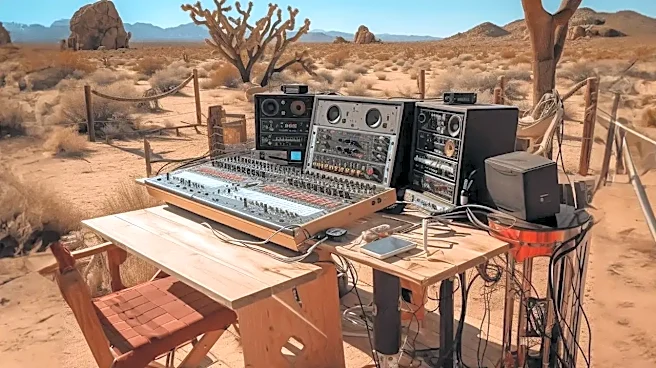
At its core, Black Rock City is an engineering marvel, and for a certain segment of the population, that's the main attraction. This is the Burning Man for the builders, the tinkerers, the engineers, and the problem-solvers. The principle of "Radical Self-reliance" is key here. These are the people who design and construct the elaborate theme camps, wire the electrical grids, build the mobile bathhouses, and repair bicycles for fellow citizens at camps like Playa Bike Repair. It's a culture of intense collaboration and practical creativity, where the challenge of not just surviving but thriving in a harsh desert environment becomes the ultimate project. This group finds its joy in the ingenuity and shared effort required to make the city function.
The Intimate Neighborhood Community
Beyond the big spectacles, Burning Man is also just a collection of neighborhoods. Thousands of people belong to smaller theme camps, some with just a handful of members, centered on a shared interest, a friendship group, or a simple gift to the community, like offering late-night grilled cheese or a comfortable place to sit. There are camps for families with children, like Kidsville, and camps that foster cultural identity, providing a space for specific communities to connect. This version of Burning Man is slower and more personal. It’s about the conversations you have with your campmates, the spontaneous interactions with strangers, and the quiet moments watching the desert sunset. It’s a reminder that even in a city of 70,000, the most memorable experience can be a simple, human connection.