







More Than a Game, It’s a Journey
Forget what you know about a typical sporting event. Attending a World Cup is less like going to the Super Bowl and more like joining a massive, month-long global festival. For many, the journey begins the moment the host cities are announced. It’s an intricate
dance of applying for ticket lotteries, coordinating with friends across time zones, and booking flights and accommodations with a mix of hope and strategic precision. This isn't just about watching a match; it's about being part of a shared global experience that transforms fans into travelers and strangers into temporary family. The game on the field is the anchor, but the real story is the adventure that gets you there.
The City Becomes the Stadium
When the World Cup comes to town, the entire city becomes an unofficial stadium. Hours before kickoff, the streets fill with a vibrant, noisy river of color and sound. Fans from dozens of countries, many without tickets to the actual match, converge to create an atmosphere that's as compelling as the game itself. This is where the pre-kickoff experience truly thrives. The centerpiece is often the FIFA Fan Festival, a dedicated space with giant screens for watching matches, live music, food, and cultural events. Cities across the U.S., Canada, and Mexico are planning massive, free-to-enter fan zones in iconic locations like Boston's City Hall Plaza, the LA Memorial Coliseum, and Mexico City's Zócalo. These festivals are the heart of the celebration for those who want the collective energy without needing a stadium ticket.
Finding Your Tribe, Instantly
One of the most remarkable parts of the experience is the sense of community. You can be standing in a plaza in Dallas or a pub in Vancouver, and the person next to you—wearing a different jersey, speaking a different language—instantly becomes a friend. You’re both there for the same reason. This shared passion breaks down barriers, leading to spontaneous celebrations, the trading of team scarves, and conversations that bridge cultural divides. In cities as diverse as New York, home to millions born outside the U.S., the tournament creates patriotic hubs where people gather to find a taste of home and share the emotional rollercoaster with others who just get it. It’s a powerful reminder of how the 'beautiful game' can unite people.
The Rituals of Match Day
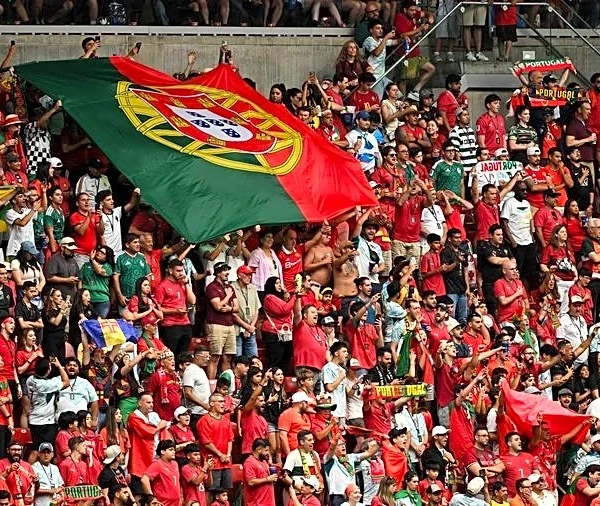
On match day, the energy shifts from a city-wide party to a focused, tribal procession. This isn't just about showing up for the anthem. It's a day filled with rituals that build anticipation. Groups of fans organize marches to the stadium, a rolling parade of drums, flags, and coordinated chants. The fashion is a spectacle in itself, with fans donning everything from simple jerseys to elaborate costumes reflecting their national pride—think Mexican lucha libre masks or English fans dressed as knights. Even for casual American viewers, a majority of whom are drawn to the social occasion and atmosphere, the sheer spectacle is infectious. Getting to the stadium area early isn’t about beating traffic; it’s about soaking in this crucial part of the performance.
How to Join the Celebration in 2026
With the World Cup coming to North America, this global festival is landing on our doorstep. The key is to think beyond the stadium. Prioritize public transportation, as traffic will be immense. Book accommodations and travel well in advance, as millions of people will be on the move. Dive into the fan zones planned for cities like Miami, Seattle, and Kansas City; they are free, family-friendly, and designed to be the tournament's social hubs. And most importantly, be open. Talk to fans from other countries, learn their chants, and embrace the chaos. The real win of a World Cup isn't just seeing your team lift a trophy; it's being part of the world's biggest, most joyful gathering.