


The Grand Slam Illusion
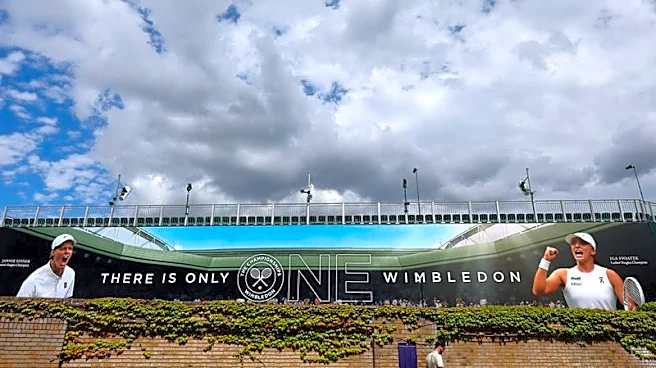
The core strategy is aspirational marketing. Wimbledon isn't just a tennis tournament; it's a globally recognized symbol of prestige, endurance, and grace under pressure. For a beauty brand, associating a product with this event is a powerful shortcut
to conveying those same values. Even without being an official sponsor, brands tap into the “tenniscore” aesthetic and the broader conversation happening during the tournament. The logic is simple: if you, the consumer, admire the focus and resilience of an elite athlete, you might be persuaded to buy a product that claims to embody that same spirit of high performance. The brand isn't selling a ticket to the final; it's selling the feeling of being part of that exclusive, high-stakes world, one concealer at a time. This technique has proven highly effective across sports, with brands seeing significant lifts in purchase intent from sports-related partnerships.
Decoding 'Soft-Focus' vs. 'Heat'
The language itself is a masterclass in marketing psychology. “Heat” evokes the intensity of the game, the sweat, the pressure. It speaks to a product’s durability and long-wear capabilities. Then there's "soft-focus." In cosmetics, this term refers to products containing light-diffusing particles, like silica or mica, that scatter light to optically blur imperfections like fine lines and pores, creating a smooth, filtered effect. The genius is in marrying these two opposing ideas. Brands aren't claiming the concealer will make a player's sweat invisible under 4K broadcast cameras. Instead, they are creating a narrative: here is a product that provides a delicate, perfecting finish, yet is tough enough to withstand the symbolic 'heat' of your own demanding day. It’s a promise of having it all—flawless appearance combined with unyielding performance.
Selling Endurance, Not Just Perfection
Ultimately, the marketing isn't about literal performance on the court; it's about emotional transference. When a brand promotes a long-wear foundation or a setting spray in the context of sport, they are selling the idea of cosmetic resilience. The underlying message is that their product won't fail you, whether you’re facing a series of back-to-back meetings or a humid summer commute. Wimbledon, with its visible displays of athletic struggle and triumph, becomes the perfect backdrop. This strategy has been evolving for years, with early campaigns from brands like Bobbi Brown featuring extreme athletes to prove their makeup was “life-proof.” The modern version is more nuanced, focusing less on extreme durability and more on the confidence that comes from knowing your makeup can handle the pressure, just like the champions on screen.
The Ace Up Their Sleeve: Athlete Ambassadors
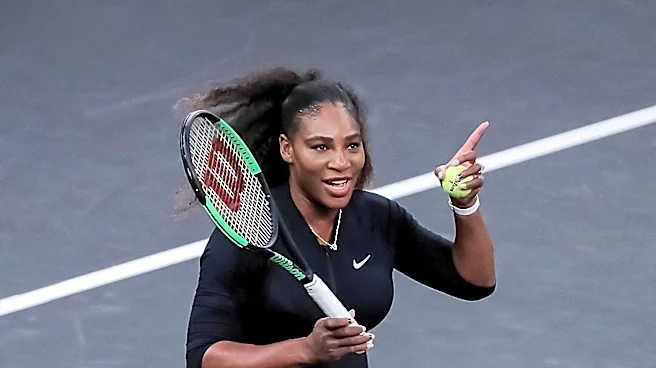
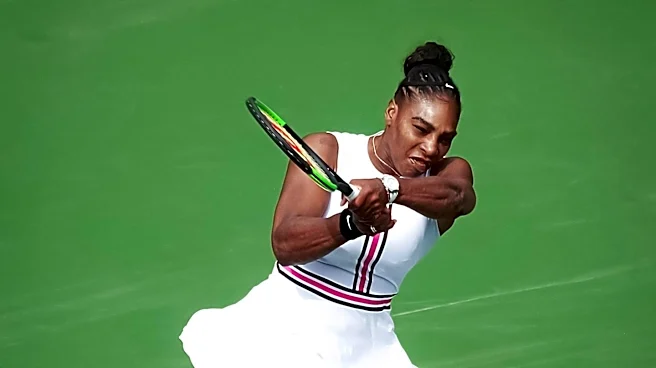
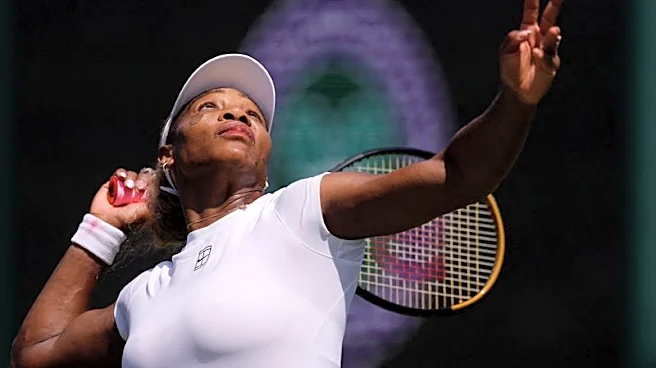
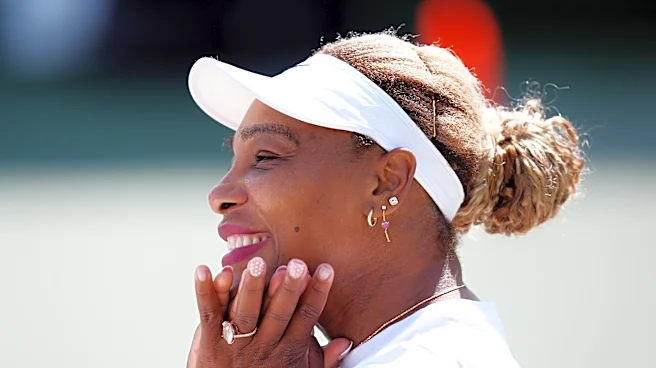
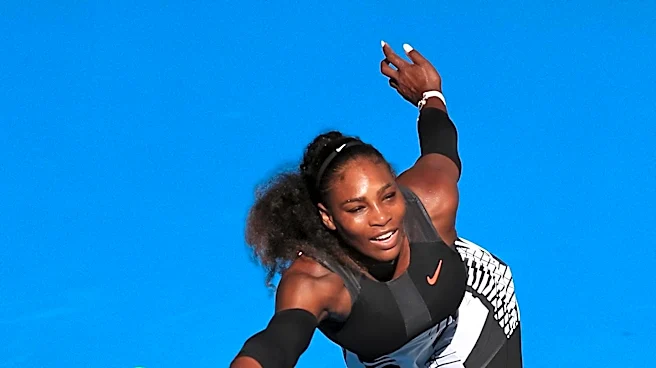
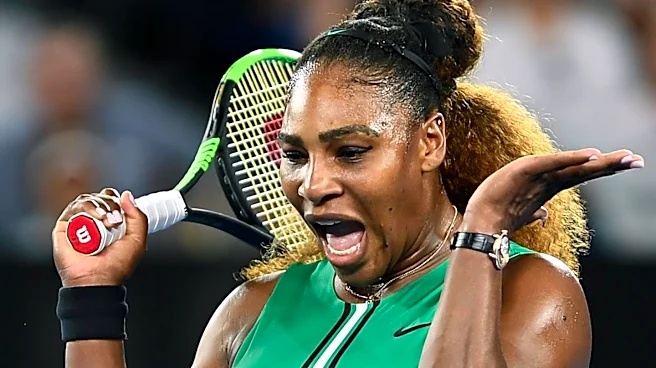
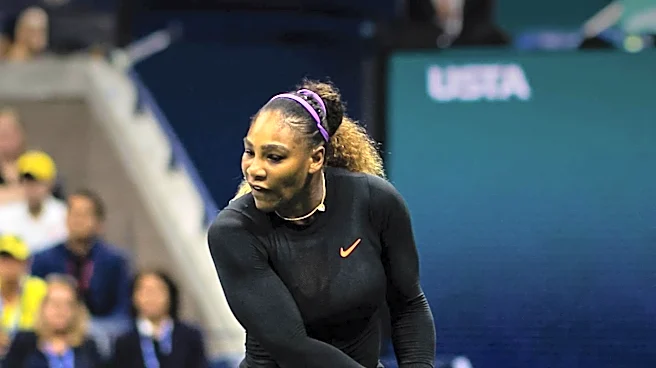
To bridge the credibility gap, brands are increasingly partnering directly with athletes. Tennis players like Coco Gauff, Iga Świątek, and Serena Williams have all entered the beauty space, either through ambassadorships or by launching their own lines. These partnerships are invaluable. When an athlete, whose career depends on performing under intense physical and environmental stress, endorses a beauty product, it lends an authenticity that a traditional model or influencer cannot. It tells the consumer that this isn't just marketing fluff; it's a product trusted by someone who genuinely needs it to perform. This shift is part of a larger trend of beauty brands moving into the sports world, recognizing that athletes are powerful cultural figures who can drive engagement and build trust with new, highly invested audiences.