



The Problem With a Full-Face 'Bake'
You’ve seen the technique all over social media: packing on a thick layer of translucent powder over concealer and foundation, letting it “bake,” then dusting it off. The goal is to create a creaseless, intensely matte, long-wear finish. In theory, it’s
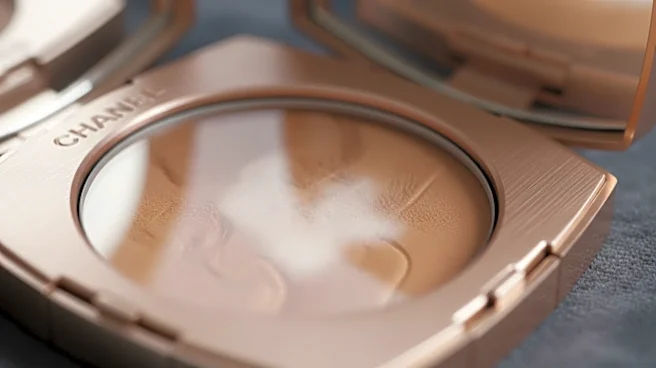
perfect for a long night under hot lights. The problem? Flash photography. Many popular setting powders contain ingredients like silica or zinc oxide, which are great at absorbing oil but terrible in front of a camera flash. These particles act like tiny mirrors, bouncing the harsh light directly back into the lens. The result is the dreaded “flashback”—a ghostly white cast that often appears under the eyes and across the center of the face, making you look like you’ve been playing in a bag of flour. It also creates a flat, one-dimensional look, erasing the natural curves that give a face life and shape.
The Pro Secret: Strategic Dimension
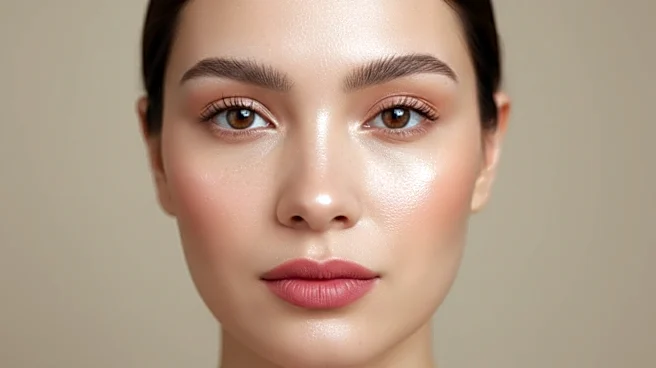
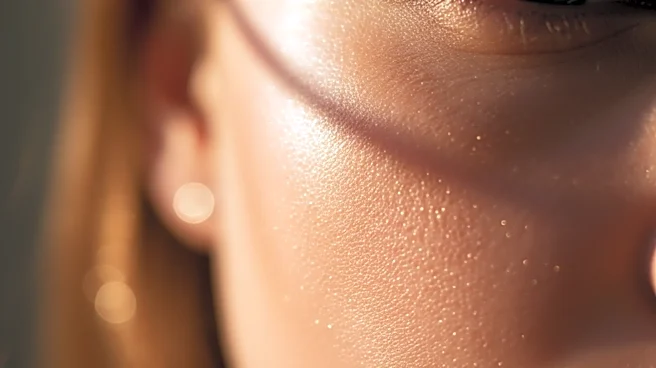
Celebrity makeup artists know that for high-flash events, dimension is everything. Instead of eliminating all shine, they control it strategically. This is where targeted powdering comes in. The philosophy is simple: apply powder only where you truly need it. For most people, this means the T-zone—the center of the forehead, the sides of the nose, and the chin. These areas produce the most oil and are most likely to create unwanted glare in photos. By leaving the high points of the face, like the cheekbones, bridge of the nose, and brow bone, with their natural luminosity or even adding a cream highlighter, you maintain a healthy, skin-like finish. This technique ensures the face looks sculpted and alive on camera, not like a flat, powdered mask. It’s about creating a balance between a polished finish and natural radiance.
How to Master the Technique
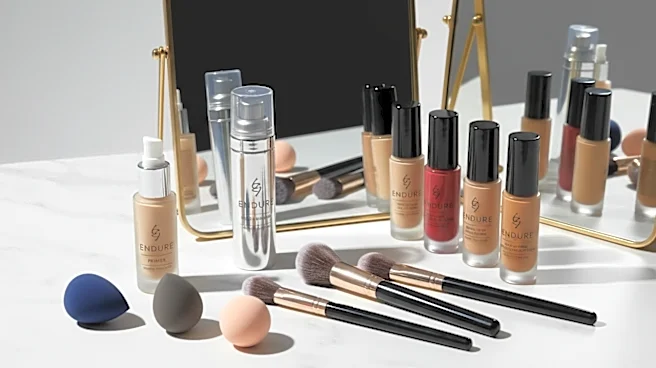
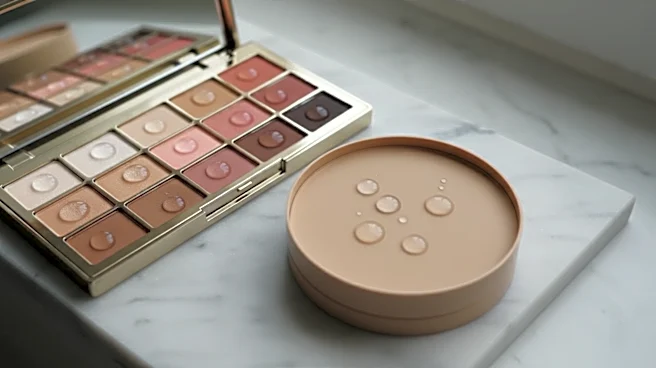
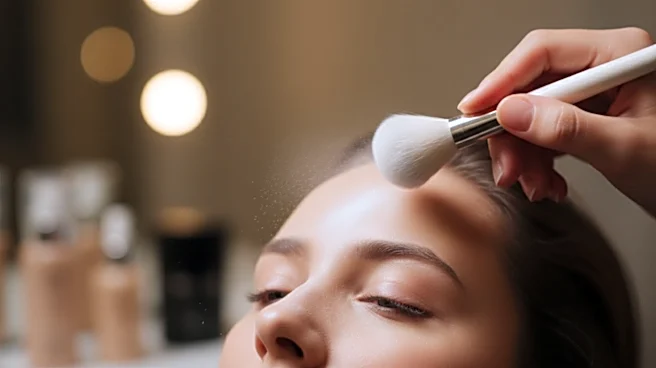
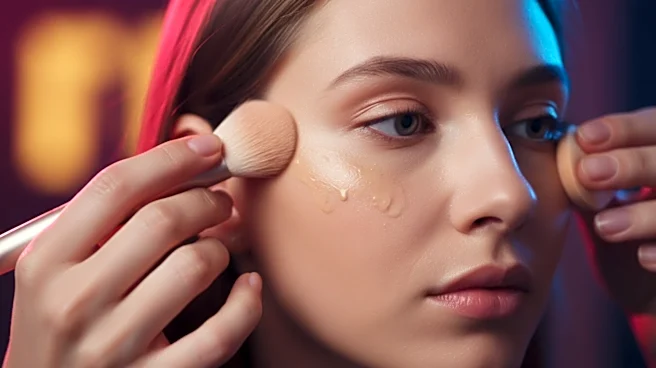
You don’t need to be a professional to get this right. The key is using the right tools and a light hand. First, choose your powder wisely. Opt for a finely milled, translucent powder that is known not to cause flashback; a tinted powder that matches your skin tone is even safer. Instead of a large, fluffy brush that disperses powder everywhere, use a smaller, more targeted brush or a powder puff. Tap off any excess product before touching it to your face. Rather than sweeping the powder across your skin, gently press or roll it onto the specific areas you want to mattify. This precision application sets your makeup and controls shine exactly where needed without building up unnecessary product elsewhere. The goal is to make the powder an invisible part of your look, not the main event.
Beyond the Red Carpet
While the ESPYs provide a glamorous backdrop, this technique is for anyone who expects to be photographed with a flash—whether at a wedding, a birthday party, or just a night out with friends. Any event where you want to look your best in photos can be ruined by makeup flashback. Over-powdering can also accentuate texture and fine lines, which is often the opposite of what we want. Embracing a more strategic approach to setting your makeup not only guarantees a better result in photos but also often looks more natural and feels more comfortable in person. It’s about working with your face, not against it, allowing your natural features to shine through while keeping unwanted oil at bay.