






More Than Just an Old Dress
First, let's get the terminology straight. While 'vintage' often refers to anything over 20 years old, 'archive' fashion is a more specific and elevated category. These are museum-quality pieces pulled directly from a designer's historical collections—think
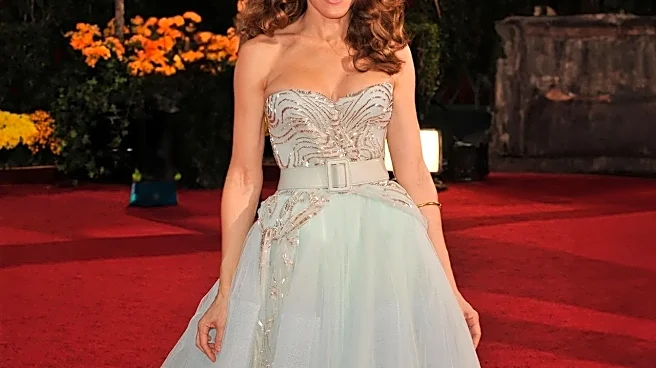
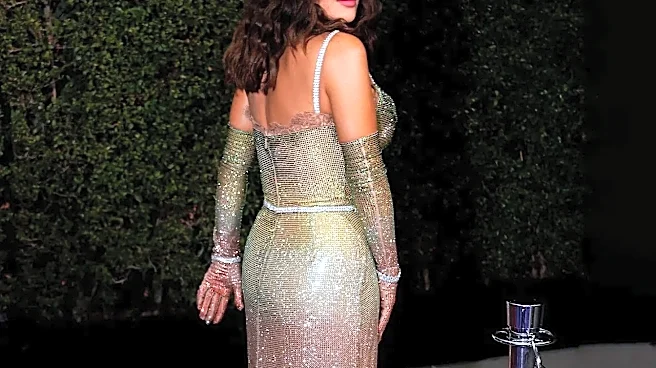
of a specific, iconic runway look from Chanel's 1990s heyday or a rare Alexander McQueen creation. These garments are often so fragile and valuable that brands keep them under lock and key in climate-controlled facilities. When a star wears an archive piece, they’re not just wearing an old dress; they're wearing a piece of fashion history, carefully curated and loaned for one special night.
The Allure of Being One-of-a-Kind
In a world where two celebrities might accidentally show up in the same fresh-off-the-runway design, wearing an archive gown is the ultimate flex. It guarantees exclusivity. There's zero chance of a "who wore it better" moment when you're in a one-of-a-kind John Galliano or a Bob Mackie originally worn by a legend decades ago. For stylists and stars like Zendaya, who have become masters of the archive pull, it’s a strategic move. It shows a deep knowledge and appreciation for fashion history, signaling taste and cultural literacy that goes beyond simply having access to what's new. It’s a way to tell a story and create a viral moment rooted in something more profound than a new trend.
Sustainability as a Status Symbol
The red carpet has long been criticized for its excess and waste, with custom gowns often created for a single evening. Choosing an archive piece is an inherently sustainable act, pushing back against the culture of disposability. By re-wearing a garment, celebrities use their massive platform to advocate for a greener approach to high fashion. Initiatives like the Red Carpet Green Dress campaign have been promoting this for years, but the rise of archive pulls has made it a mainstream status symbol. It sends a powerful message: the most glamorous and desirable look of the night can also be the most responsible one, without sacrificing an ounce of style.
The Intricate Dance of Sourcing
Getting a priceless gown from a designer's vault onto the red carpet is a logistical ballet. It’s not as simple as asking nicely. The process involves a complex negotiation between a top-tier stylist, the celebrity's team, and the fashion house itself. Brands are fiercely protective of their heritage and will only loan pieces to stars who they feel align with their image and will treat the garment with respect. Sometimes, the pieces don't even come from the brand but from elite vintage dealers and private collectors who have spent decades sourcing these rare items. Then there’s the issue of fit. Unlike new custom gowns, these pieces can't be easily altered, making the search for the perfect look that much more challenging.
A Calculated Risk with a High Reward
Wearing a piece of history comes with significant risks. These garments are often delicate, and the horror stories of damage are legendary—as seen in the controversy over Kim Kardashian wearing Marilyn Monroe's dress. The insurance policies alone can be astronomical. Furthermore, if a look is too obscure or its historical context is missed, the statement can fall flat. But when it works, it creates an unforgettable cultural moment. An archive pull connects the past to the present, honors a designer's legacy, and elevates the celebrity from a mere clotheshorse to a fashion historian for the night. It transforms their red carpet walk into a curated exhibit, sparking conversations that last long after the flashbulbs have faded.