






The Sound of the Stadium
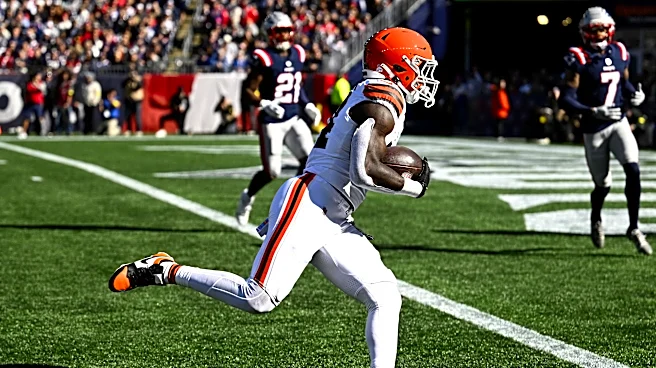
On an NFL Sunday, the sound of MetLife is a series of explosions. It’s the roar of the crowd after a sack, the groan after an interception, and the booming bass of stadium-curated rock anthems during a TV timeout. The sound follows the ball, rising and falling
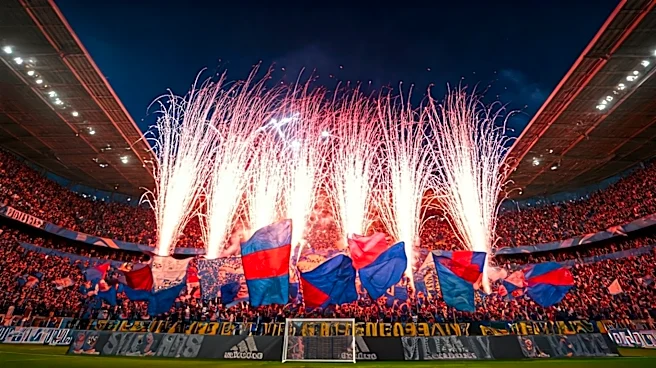
with each discrete play. It’s intense but intermittent, punctuated by long pauses for huddles and replays. International soccer operates on a different audio frequency. The sound is not a reaction; it’s a constant, living entity. For 90 uninterrupted minutes, the stadium becomes a choir. Fans don’t just cheer for a goal, they sing. They chant in unison, with melodies and lyrics passed down through generations. Supporters’ groups from Brazil or Argentina will bring drums, horns, and a conductor—a capo—to orchestrate a non-stop soundtrack. It’s a rolling, collective hum of anxiety and passion that doesn't require a touchdown to be unleashed. The quietest moments are often the most tense, as 80,000 people hold their breath on a corner kick. It’s less a series of reactions and more a sustained, 90-minute opera of hope and despair.
The Colors and the Crowd
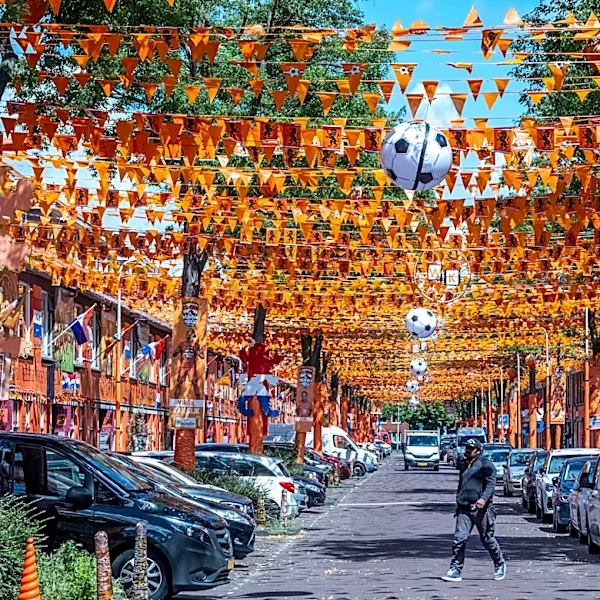
Walk through the parking lot before a Jets or Giants game, and you’re navigating a sea of green or blue. It’s a binary world defined by home and away colors. The crowd is deeply local, united by regional pride and a shared hatred of the Eagles or Patriots. It’s tribal in a familiar, American way. A major tournament like the Copa América or World Cup transforms the stadium into a vibrant, chaotic mosaic. You won’t just see the two competing nations. Fans from Colombia, Mexico, and Uruguay—decked out in their national colors—will be there simply to witness the spectacle. It’s an international summit in jerseys. The crowd is a mix of first-generation immigrants connecting with their heritage, American soccer die-hards who follow the global game, and curious event-goers. The allegiance isn't to a city but to a country, a flag, and a national identity played out on the pitch. The result is a far more diverse and less uniform gathering, where a dozen different national anthems might be sung spontaneously in the concourse.
The Pregame Ritual
The NFL tailgate is an American institution. It’s a meticulously planned affair of grilled meats, folding chairs, and games of cornhole. It’s a self-contained party, with each vehicle marking its own small territory in a vast asphalt landscape. The focus is on your crew, your grill, and the cooler you packed. While some tailgating will occur, the signature pregame event for big soccer matches is the supporters’ march. Hours before kickoff, thousands of fans will gather at a designated point—a nearby park or bar—and march as one to the stadium. It’s a public spectacle of force, a river of color and noise flooding the streets. They carry massive flags, set off smoke bombs in their team’s colors (where permitted), and sing the same chants that will soon echo inside the stadium. It’s not about sectioning off a private space; it’s about a collective takeover of public space, announcing their arrival and building a wave of energy that crests just as the match begins.
The Rhythm of the Game
An NFL game is built for the modern attention span. It’s a series of short, violent bursts of action followed by a break for analysis, replay, and commercials. The structure allows for trips to the concession stand or bathroom without missing a critical moment. The clock is a suggestion, constantly stopping and starting. Soccer offers no such refuge. The clock is a cruel, relentless master. The game flows for 45 minutes straight, a continuous build-up of tactical chess and physical exertion. There are no TV timeouts. A trip for a hot dog could mean missing the only goal of the entire game—a singular moment of brilliance that decides everything. This creates a different kind of focus in the stands. The crowd rides the slow, building tension of a midfield possession, the quickening pulse of a counter-attack, and the collective gasp of a near-miss. It demands your undivided attention, rewarding it not with constant scoring, but with a tension that builds and builds until it finally, gloriously, breaks.