


The Shock of the New (Again)
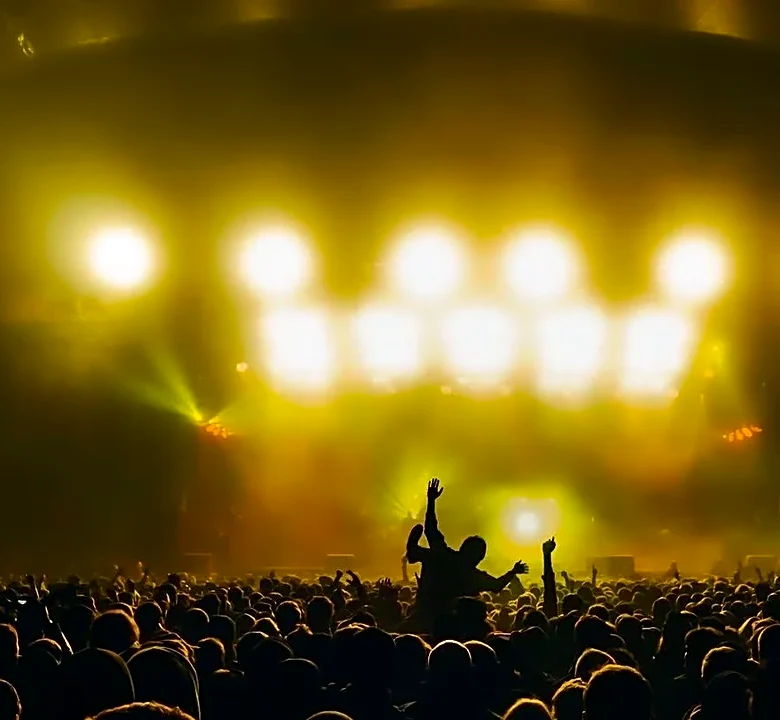
For artists who have performed a hit single thousands of times, the sudden appearance of teenagers and college students singing along to lyrics written before they were born can be a jolt of pure validation. Concert reviews for legacy acts like Paul McCartney
consistently highlight the multi-generational makeup of the audience. One writer, attending a show with his family, noted his son recognized Beatles songs from the animated movie Sing. This isn't just about parents dragging their kids to a show; it's about a new generation actively discovering and claiming the music for themselves. This phenomenon provides artists with a fresh perspective on their own work. A song that might have felt routine is suddenly re-energized, its meaning reflected back through the fresh eyes of a new audience. It's a powerful reminder that a song's life extends far beyond its original context, taking on new significance with each generation that finds it.
The TikTok Rebirth
A primary engine for this cross-generational discovery is social media, particularly TikTok. The platform’s algorithm is famously agnostic about a song's release date; it only cares if a 30-second clip fits a trend. This has led to the unexpected resurrection of catalog tracks from decades past. Kate Bush's "Running Up That Hill" surged to the top of the charts nearly 40 years after its release thanks to its inclusion in Stranger Things and subsequent virality on TikTok. Similarly, Fleetwood Mac’s “Dreams” found a massive new audience after a viral video. For legacy artists, this provides a direct, if unpredictable, pipeline to Gen Z listeners who might otherwise never encounter their music. This digital rebirth proves that a great song doesn't have an expiration date; it just needs the right modern context to connect. The lesson for artists is that their back catalog is no longer a static archive but a living library of potential hits, waiting for a new spark.
An Evolving Legacy
When younger fans embrace an old song, they do so without the baggage of its original era. They aren’t nostalgic for the 1970s or 80s; they are connecting with the song’s core emotion in the here and now. This teaches artists that the themes they explored—love, loss, rebellion, hope—are more universal than they might have imagined. The music of Bruce Springsteen, for example, has long been associated with a specific Baby Boomer, white, working-class American experience. Yet seeing younger, more diverse fans connect with anthems like “Born to Run” demonstrates the songs' capacity to transcend their origins. This process helps secure an artist's legacy not as a relic of a particular time but as a creator of timeless work. The music is no longer just a soundtrack for one generation's memories but becomes a shared cultural touchstone, passed down and reinterpreted.
A Shared Experience
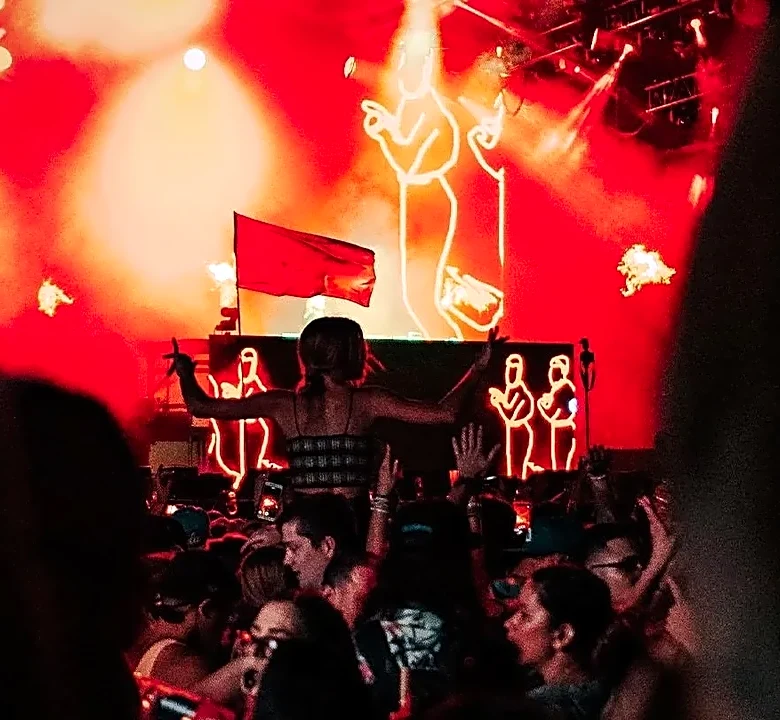
Ultimately, the presence of multi-generational crowds transforms a concert from a simple performance into a communal event. These shows have become one of the few cultural spaces where different age groups gather to share a genuinely enthusiastic experience. Parents who grew up with an artist now bring their own children, creating a powerful sense of continuity. This shared joy is palpable, both for the audience and the performer. Artists get to witness their music acting as a bridge between generations, a rare and profound achievement. It confirms that their work has become part of the cultural fabric, woven into the lives of families and passed down as a kind of inheritance. For any artist, seeing their creation foster that kind of connection is perhaps the greatest lesson of all: that a truly great song doesn't just belong to the person who wrote it, but to everyone who has ever found a piece of their own story within it.