



The Price of Fire and Blood
Let’s get the number straight. According to reports from industry sources like Variety, each episode of *House of the Dragon*'s first season cost HBO “under $20 million” to produce. While the studio hasn't confirmed an exact figure, this places it in the upper
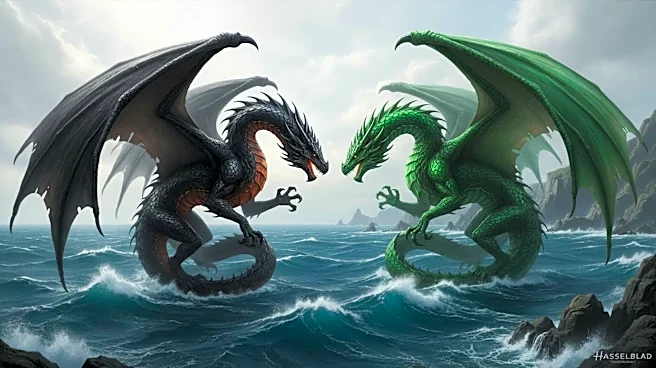
echelon of television production, but with a crucial caveat. Its predecessor, *Game of Thrones*, started with a modest (by comparison) $6 million per episode and only ballooned to $15 million for its final, spectacle-heavy season. *House of the Dragon* started near the top. Why? Because the dragons are not a late-game addition; they are the entire premise. Where *Thrones* spent seasons building to its fantasy elements, *Dragon* throws viewers into a world with 17 of them. That cost isn't just for one climactic battle in a finale; it’s baked into the show's DNA. A significant portion of that budget is dedicated to the visual effects (VFX) required to make these creatures feel real, weighty, and terrifyingly alive.
From Pixel to Predator
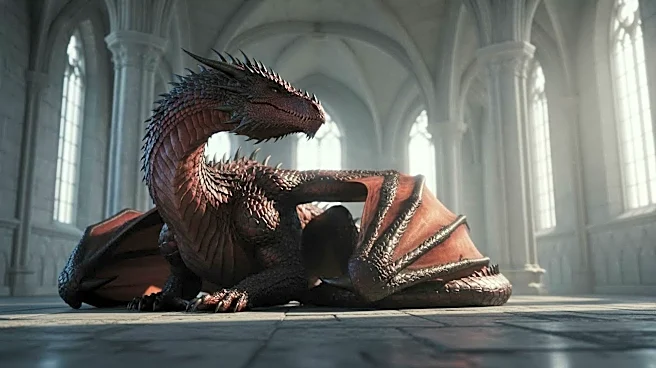
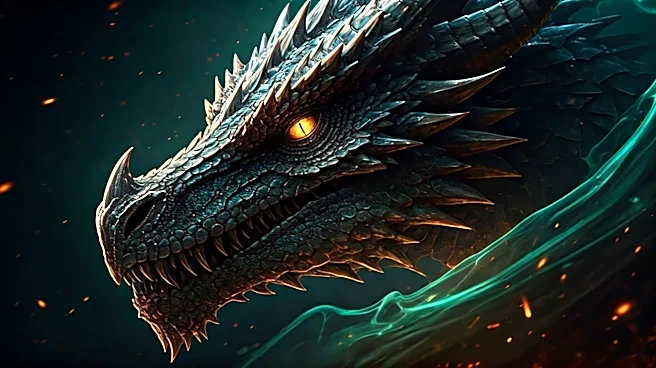
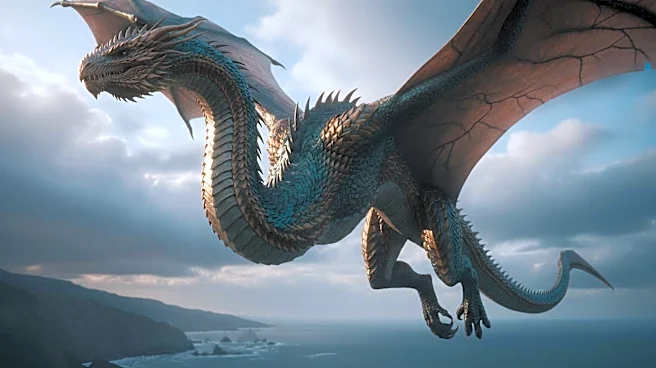
So, what does $20 million actually buy? It buys detail. Each of the show’s dragons is designed to have a unique personality, silhouette, and flight pattern. Vhagar, the ancient, gargantuan she-dragon, moves with the slow, ponderous weight of a living mountain. Caraxes, the 'Blood Wyrm,' is serpentine and volatile, his elongated body coiling with unnerving speed. These aren't just copy-pasted CGI models. The VFX process is a monumental undertaking. It begins with concept art and pre-visualization, where artists storyboard the sequences. Then, it moves to massive soundstages where actors ride a sophisticated, bucking mechanical rig (affectionately nicknamed the 'buck') surrounded by a wall of LED screens—a technology called a Volume—that displays the virtual environment in real time. This helps actors react realistically and provides authentic lighting on their armor and faces. Finally, VFX artists spend thousands of hours digitally sculpting, texturing, animating, and compositing the dragons into the shot. Every scale, every glint in the eye, every puff of smoke from the nostrils is a decision that costs time and money.
The Scarcity Principle in Storytelling
Here’s the most interesting part: even with a colossal budget, the showrunners can't afford to have wall-to-wall dragon action. And that limitation is actually the show’s greatest narrative strength. Because a dragon showing up is expensive, it has to *mean* something. This is the scarcity principle in action. If dragons were as common as horses, their impact would be diluted. Instead, their appearances are treated as major events that escalate the political and personal stakes. The budget forces a creative discipline. A scene of Rhaenyra simply landing Syrax in the courtyard of Dragonstone is an event. The pause before a dragon unleashes its fire is stretched for maximum tension because the show has to get its money’s worth out of the moment. We don't just get mindless destruction; we get scenes that explore the bond between rider and mount, or the sheer terror a dragon inspires in those on the ground. The cost ensures the dragons are used as surgical narrative instruments, not blunt objects.
Budget as Character Development
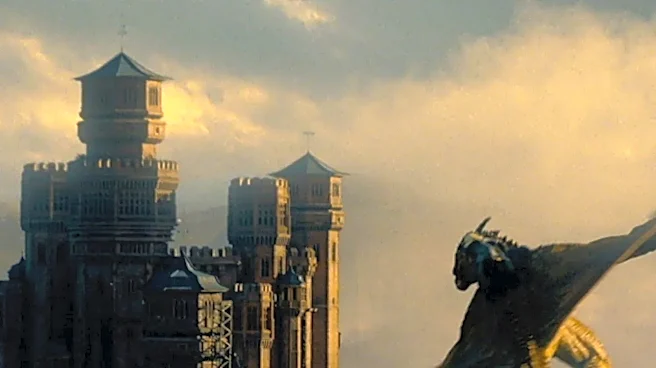
Ultimately, the budget isn’t just for visual flair; it’s a tool for character and world-building. The immense power and cost associated with the dragons are a perfect metaphor for the Targaryen dynasty itself: magnificent, terrifying, and dangerously expensive to maintain. The show makes it clear that the family’s power is entirely dependent on these living weapons of mass destruction. When Lucerys Velaryon and his small dragon Arrax are confronted by Aemond Targaryen and the colossal Vhagar in the skies above Storm's End, the size disparity isn't just a cool visual. It's a physical manifestation of the power imbalance between the factions. Vhagar's sheer scale, a direct result of the VFX budget, communicates more about the Greens' terrifying advantage than pages of dialogue ever could. The money on screen directly translates to the story’s central theme: the illusion of control over unimaginable power.