







The Myth of the Simple Shot
First, let's dispel a common misconception. A penalty kick in a high-stakes shootout is not the same as a penalty kick in practice. On the training ground, it’s a technical exercise focused on muscle memory and placement. The goal is stationary, the distance
is fixed, and the task is repeatable. But during a World Cup final or a championship decider, the physical act is secondary. The kick becomes a psychological test disguised as a physical one. The goalposts don't just get smaller in the player's mind; the entire context of the action changes. It’s no longer about technique. It’s about managing fear, expectation, and a cripplingly public spotlight. The player isn’t just kicking a ball; they’re trying to prevent a nation’s heartbreak or secure their legacy.
The Science of 'Choking'
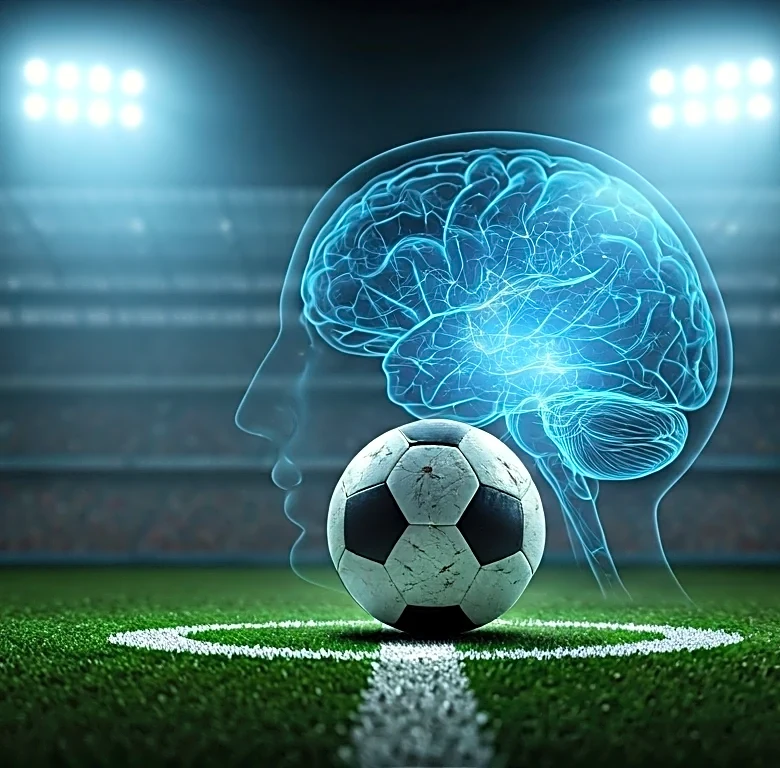
What sports psychologists call “choking” is a very real, physiological phenomenon. When a player is under extreme stress, their body is flooded with hormones like adrenaline and cortisol. This triggers the “fight or flight” response, which is great for escaping a predator but terrible for executing a fine motor skill. The heart rate skyrockets, muscles tense up, and breathing becomes shallow. This physical tension can make a player’s finely-tuned kicking motion jerky and imprecise. Mentally, something even more debilitating happens. The brain’s prefrontal cortex, responsible for rational thought and focus, gets hijacked. Instead of relying on the intuitive, automatic skill they’ve honed over thousands of hours, players start to overthink. They suffer from “paralysis by analysis,” consciously monitoring every step of a process that should be unconscious. The result? A hesitant, awkward, and often inaccurate shot.
The Long Walk of Doom
Sports psychologist Geir Jordet, a leading expert on penalties, has found that what happens *before* the kick is often as important as the kick itself. He’s studied the body language of players during the long, lonely walk from the center circle to the penalty spot. This 50-yard journey is a psychological crucible. Players are isolated with their thoughts, the roar of the crowd fading into a buzz of internal pressure. Jordet's research shows that players who take this walk too quickly, avoiding eye contact and displaying panicked body language, are significantly more likely to miss. They are trying to escape the pressure, to get it over with. In contrast, players who control their pace, breathe deeply, and manage to project an air of calm—even if faking it—perform far better. They are controlling the one thing they can: their reaction to the moment.
The Goalkeeper’s Unfair Advantage
The entire situation is fundamentally stacked against the kicker. A goalkeeper is expected to lose this battle; every save is a bonus, a moment of heroism. The kicker, however, is expected to score. Anything less is a colossal failure. This psychological asymmetry gives the keeper immense power. They can dance on the line, point, trash-talk, or use strategic delays to magnify the pressure on the taker. By making the kicker wait, the goalie allows more time for those negative thoughts to creep in and for the physical symptoms of stress to take hold. The keeper isn't just trying to save the ball; they are actively playing mind games to disrupt the kicker’s mental state. In this high-stakes duel, the kicker has everything to lose, while the goalkeeper has everything to gain.